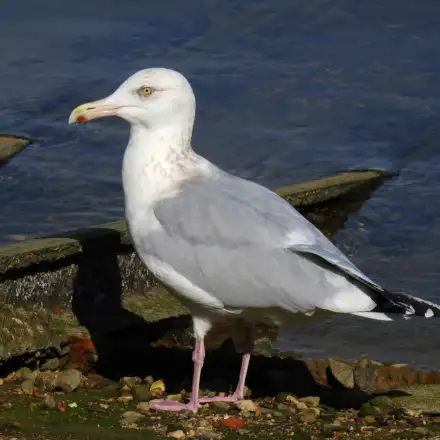
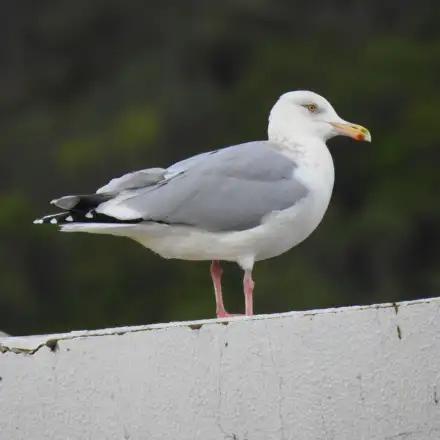
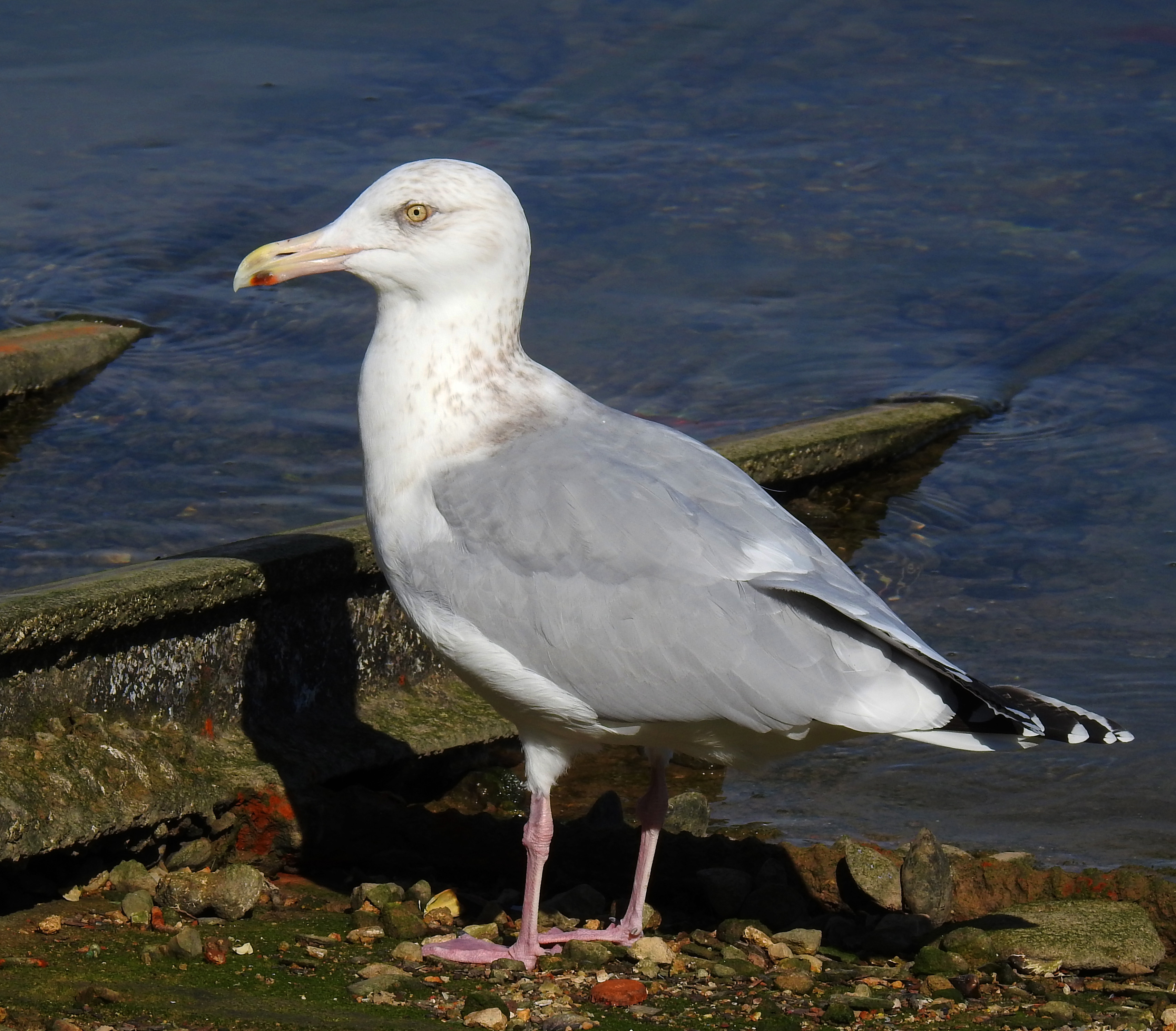
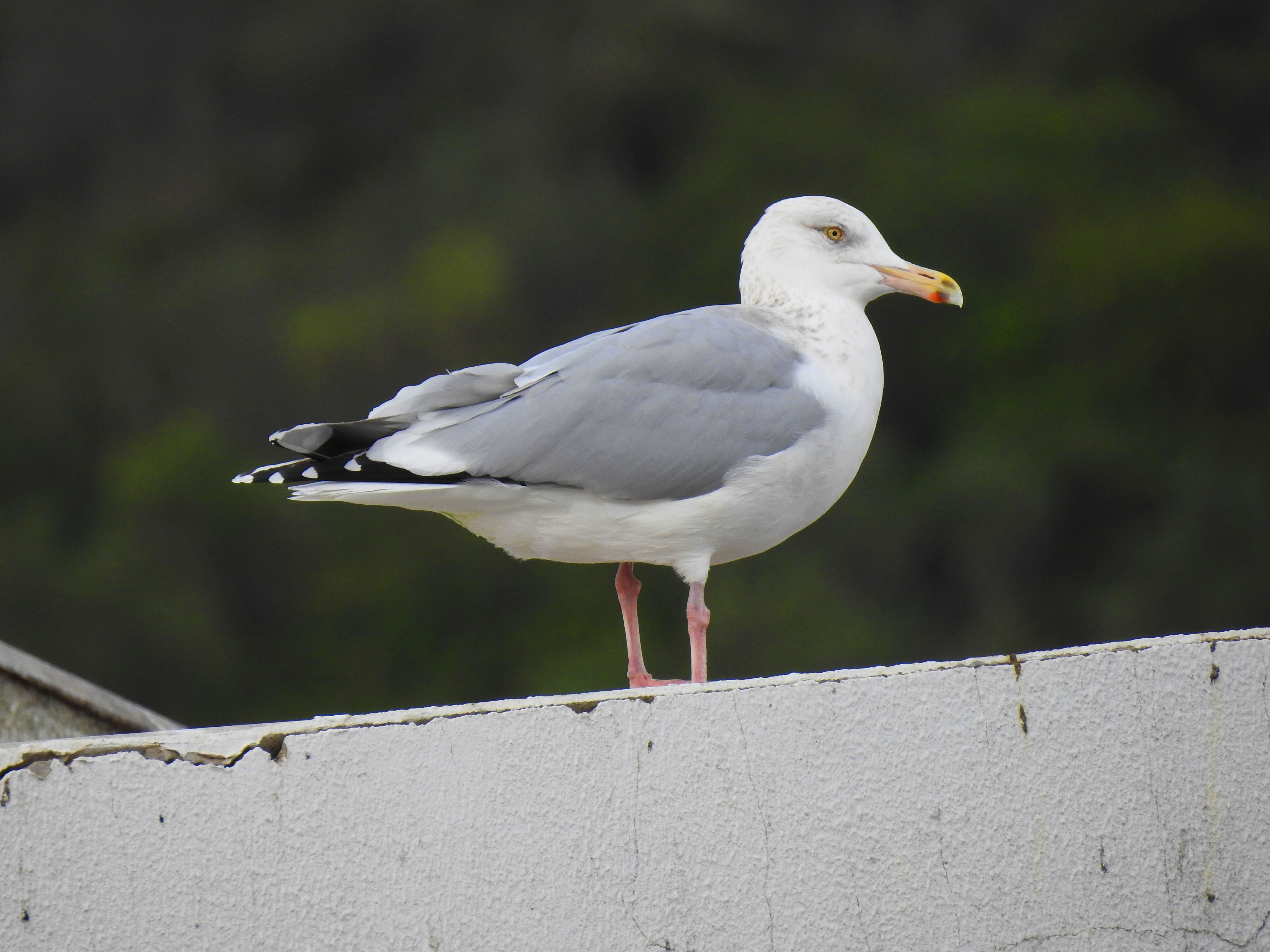
Arctic Herring Gull
Scientific name: Larus smithsonianus
Family laridae
Phenology
- Mainland
- Vagrant
- Madeira
- Absent
- Azores
- Vagrant
Conservation status
Learn more- Mainland
- Madeira
- Azores
- IUCN Global
Maps
Distribution | Breeding
Scale
Minimum value:
Maximum value:
Scale
Minimum value:
Maximum value:
Scale
Minimum value:
Maximum value:
Scale
Minimum value:>
Maximum value:<
Scale
Minimum value:
Maximum value:
Scale
Minimum value:>
Maximum value:>
Distribution based on seabird tracking data (locations/hexagone).
Colony(ies) of origin:
Device:
Data period / number of individuals:
Data period / number of individuals:
Distribution of seabird breeding colonies or sites (number of breeding pairs).
Distribution based on marine censuses (probability of occurrence).
Observed density based on marine censuses (birds/ km2).
Confirmed occurence during marines censuses.
Abundance of waders derived from Project Arenaria coastal surveys (birds/square).
Passage rates derived from RAM coastal surveys (birds/hour).
No data available for the selected period.
Presentation
Distribution, movements and phenology
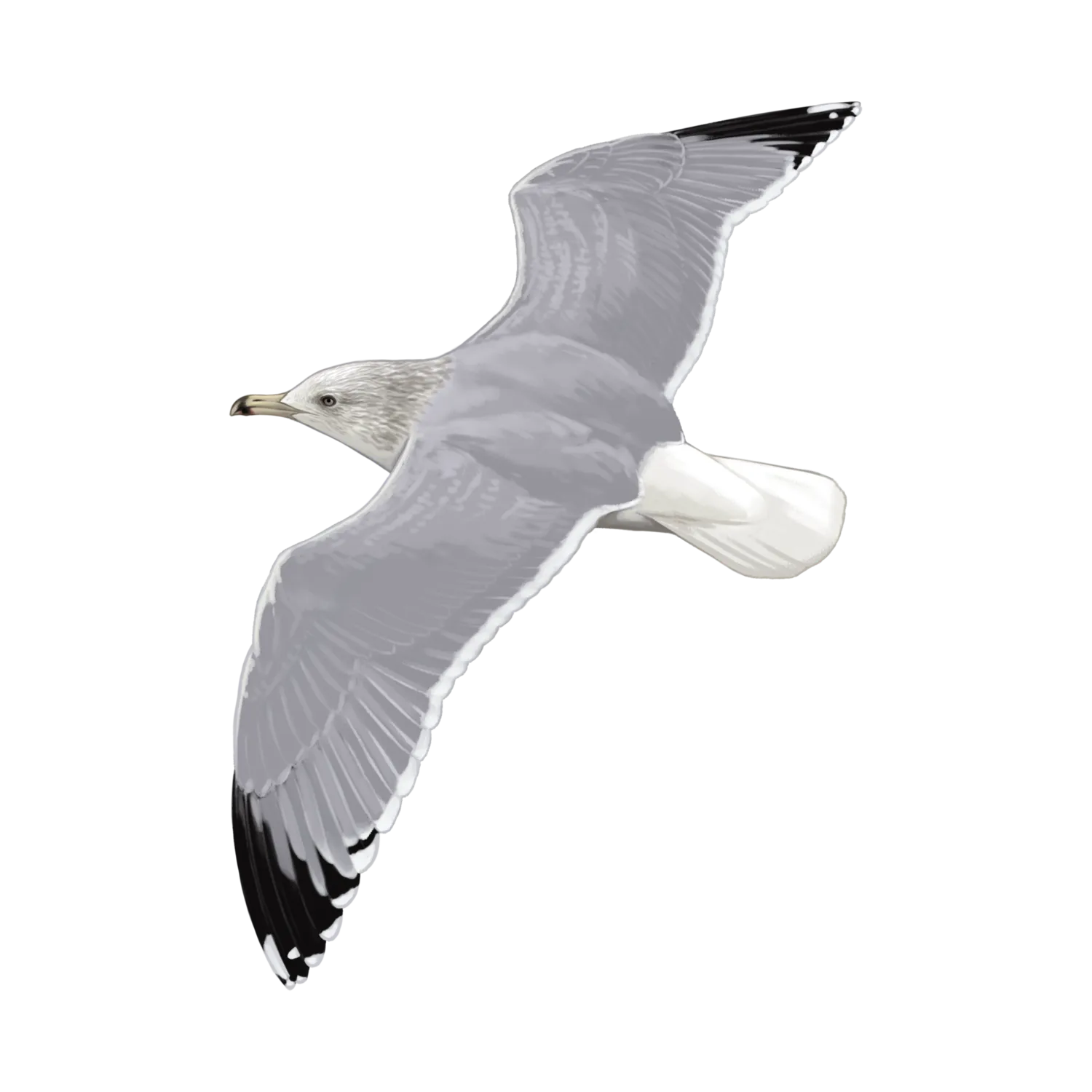
The Arctic Herring Gull breeds on the North American continent and in East Asia (Billerman et al. 2026). Following the breeding season, which takes place between May and July, the birds migrate to areas further south of their breeding grounds; the European continent is not a significant stopover area at any stage of their phenology. The birds occurring here are mostly vagrants, representing occasional sightings outside the species’ regular distribution. This is confirmed by data from a bird from Canada fitted with a GLS tracker, which shows very limited use of the Portuguese EEZ, restricted to the Azores. This information is also corroborated by records submitted to the Portuguese Rarities Committee, which, although not yet formally accepted, amount to little more than a dozen sightings in the Azores and just one bird on the Mainland between 2004 and 2020.
Abundance and population trends
The global population has been estimated at 430,000 to 520,000 individuals, with a declining trend in the largest populations, which are found in North America (Wetlands International 2025). In Portuguese waters, the species occurs very rarely, and there is no known trend in these occurrences.
Ecology and habitat
The species has an ecology and diet very similar to that of its close relative, the European Herring Gull Larus argentatus. It feeds on a wide variety of species, both in marine environments and in inland freshwater areas (Billerman et al. 2026). It also frequently feeds on discards from commercial fishing (BirdLife International 2025).
Threats and conservation
It is not threatened with extinction, despite its declining population trend. Reductions in fishing discards have diminished food availability in several areas of its distribution (Billerman et al. 2026). Egg collection in rural areas of Canada, particularly by Indigenous peoples, continues to occur, although this does not appear to account for the species’ population trend. Population control programmes for safety around some airports are also common.
- Autor
Nuno Oliveira
- Owners/sources of tracking data
Wetlands International (2025). Waterbird Population Estimates. Downloaded from http://wpe.wetlands.org on 30.11.2025. Bibliography:
BirdLife International (2025). IUCN Red List for birds. Downloaded from https://datazone.birdlife.org on 30.11.2025. Bibliography:
Billerman SM, Keeney BL, Kirwan GM, Medrano F, Sly ND & Smith MG (eds.) (2026). Birds of the World. Cornell Laboratory of Ornithology, Ithaca, NY, USA. Data:
Mallory M (2010). Dataset 1739: Arctic Herring Gull, Larus smithsonianus, Geolocator (GLS), East Bay, East Bay, Canada, 2007–2010. BirdLife International Seabird Tracking Database. Downloaded from https://data.seabirdtracking.org/dataset/1739/ on 30.11.2025. Glossary:
The direction of change in the size of a population over time (increase, decline or stability). Glossary:
Under the United Nations Convention on the Law of the Sea, coastal states are entitled to declare an EEZ comprising maritime area beyond their territorial waters. The national EEZ is delimited by an imaginary line situated 200 nautical miles from the coast, separating national waters from international or shared waters. Within its EEZ, each state has rights such as the exploitation of marine resources, the conduct of scientific research and the regulation of fishing by foreign vessels. Glossary:
The portion of the catch taken by commercial fishing vessels that is returned to the sea, often dead or dying. Discarded fish often belong to species of no commercial value, individuals below the minimum legal landing size, or individuals whose landing is not permitted, for example due to quota restrictions. Discards may also consist of parts of the catch, namely offal and heads, which, after on-board processing, are rejected and discarded at sea. Discards have a strong impact on marine ecosystems and influence many aspects of the distribution, foraging behaviour and population dynamics of seabirds, particularly species and individuals that habitually follow vessels. Glossary:
A small device attached to birds to study their large-scale movements (usually migration), which works by recording light intensity (from which the duration of night and the local midday time are estimated, and consequently the latitude and longitude on each day). Glossary:
The study of periodic phenomena in living organisms and their relationship with the environment, such as temperature, light and humidity. Some of these cyclical phenomena include, for example, bird migration or plant flowering.