
Presentation
This publication, Sentinels of the Ocean, follows on from the Atlas of Seabirds of Portugal (Meirinho et al. 2014) and serves as its thematic and methodological update, supplemented with new content. This work compiles the most recent information on the distribution, abundance and environmental status of seabird populations using Portuguese waters, integrating data obtained through individual tracking using electronic devices (e.g., GPS), as well as long-term monitoring time series.
The main aim of this publication is to update knowledge on seabird populations in Portugal, assess their environmental status, and identify threats and conservation priorities at a national level. To this end, it presents data on the distribution of breeding areas, the abundance of breeding and non-breeding populations, productivity of breeding populations, and population trends observed over recent decades.
Technological advances in recent years, particularly in the development of remote tracking devices, have provided unprecedented insights into the movements, feeding grounds and use of marine space by these species. The growing use of these methodologies has made it timely to gather and systematise the available information on the species found in Portugal, ensuring a robust scientific source for their conservation.
As top predators, seabirds reflect changes in marine ecosystems and serve as indicators of the ocean’s conservation status. Thus, assessing the status of their populations is an essential tool for gauging the health of the marine environment. In this work, historical and current data on the abundance of breeding populations were compiled. For some species, it was also possible to incorporate information on productivity, enabling demographic analysis and the prediction of future trends. With regard to non-breeding species, the long time series of over 20 years of scientific surveys obtained from marine censuses has enabled the assessment of species occurring in a sub-area of Portugal’s Continental Exclusive Economic Zone (EEZ). In addition, the annual counts of wintering coastal birds carried out since 2009 along the non-estuarine coast, as part of the Arenaria Project, have enabled the assessment of the environmental status of the most common coastal species.
Sentinels of the Ocean comprises a first section containing a series of introductory chapters devoted to the status of seabird populations, their ecology and evolution, movement patterns of residents and migrants within the Portuguese EEZ, as well as the main threats they face. This is followed by methodological chapters that describe in detail the different approaches used, depending on the nature and origin of the data analysed. Finally, the main knowledge gaps that still exist are presented and discussed, particularly those related to the monitoring and conservation of these species. Strategic priorities for the future are also outlined, both to address these gaps and to anticipate emerging threats, such as the development of renewable energy in the marine environment and the growing effects of climate change.
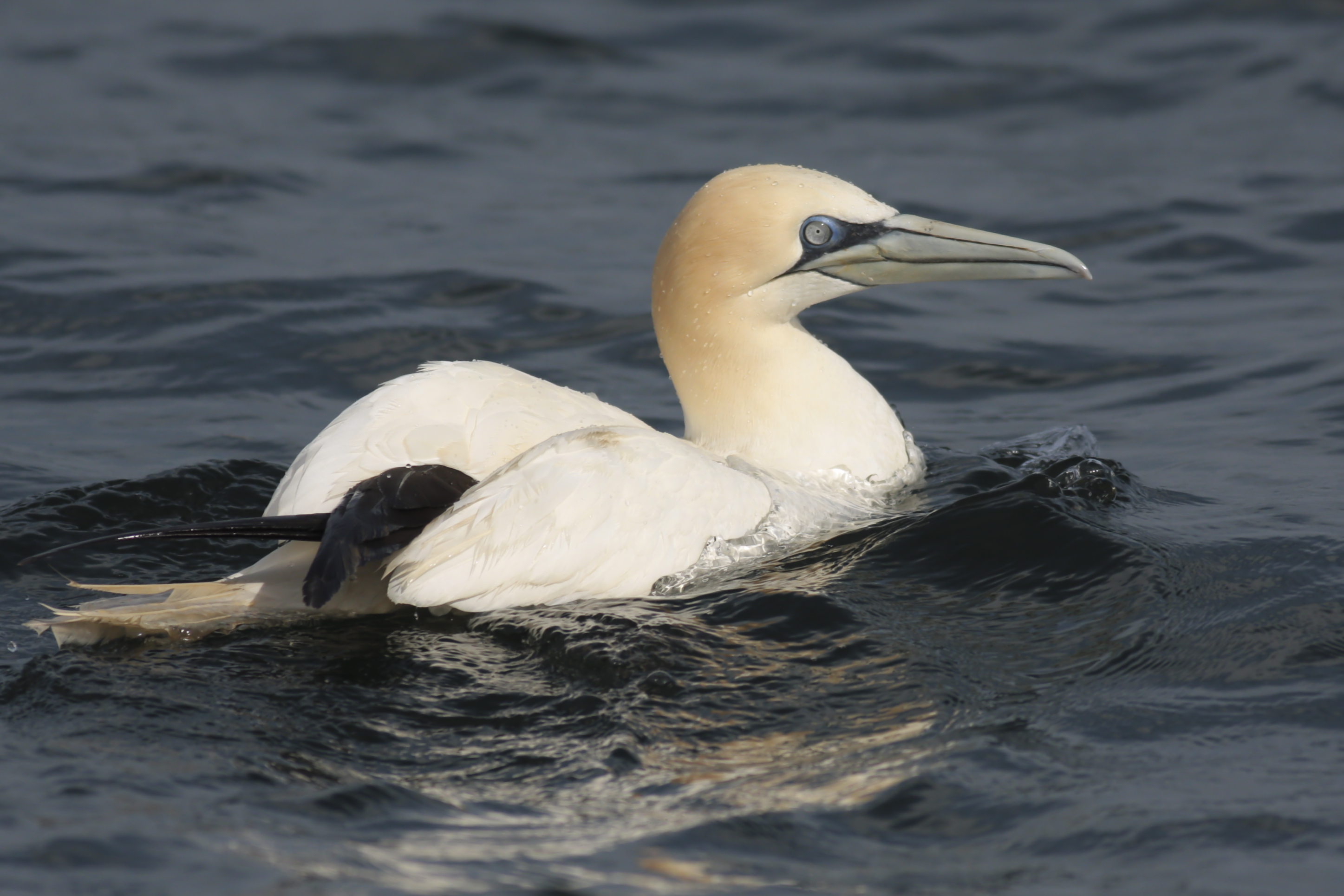
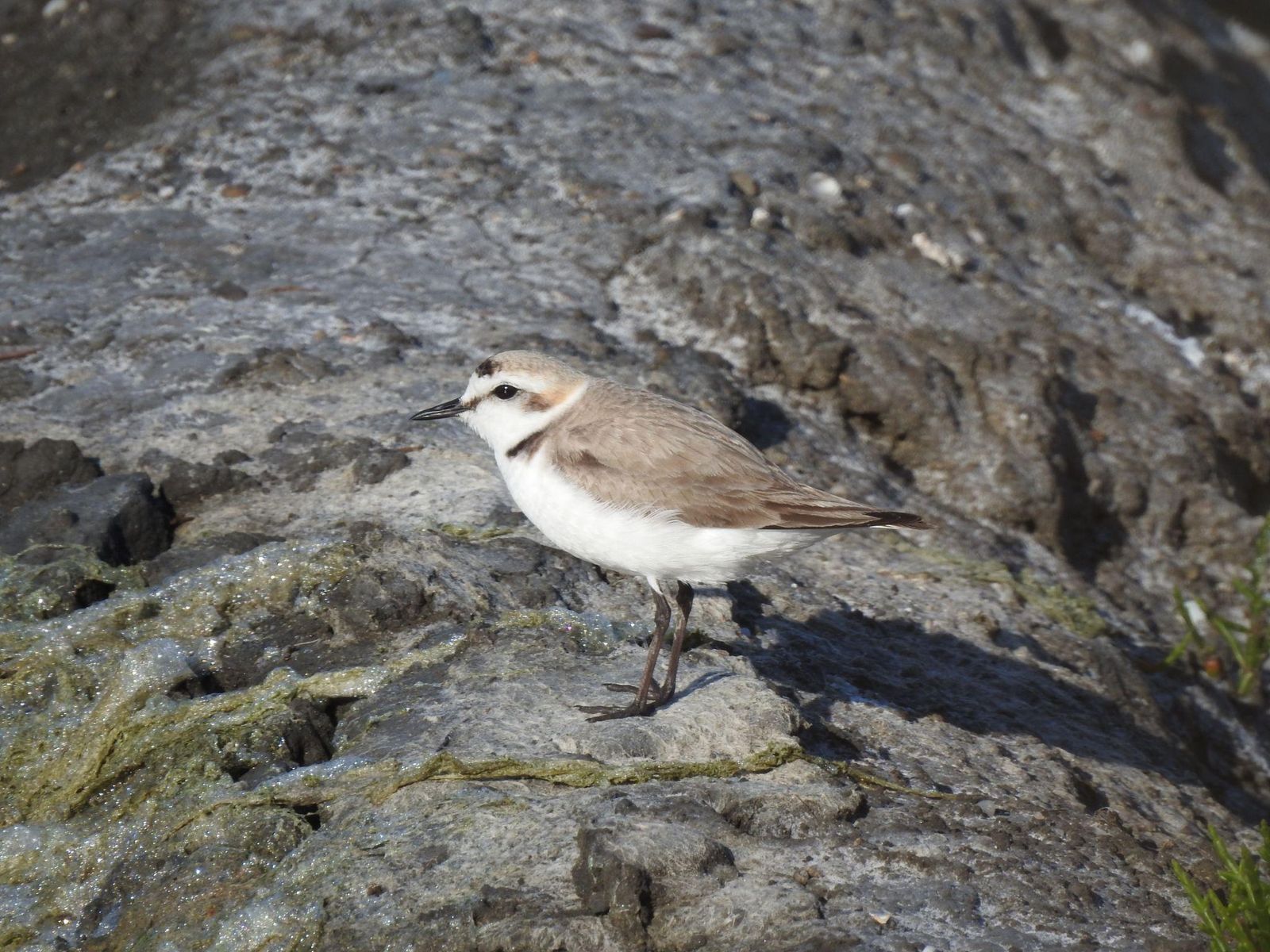
The second part of this publication comprises chapters devoted to 66 species that utilise the marine component of the national territory. In total, more than 160 distribution maps are presented, organised by phenological period (breeding and non-breeding) and by region (Mainland, Azores and Madeira), as well as 81 charts summarising the environmental status assessment. For each species, a general overview on a global level is also provided, including information on distribution, movements, phenology, abundance, population trends, ecology, habitat, threats and conservation measures.
Portugal is a country with a vast maritime territory whose ecological importance is crucial on both an Atlantic and European scale. This work demonstrates the fundamental role that the Portuguese EEZ plays in the life cycle of numerous seabird species. Such importance entails an increased responsibility to promote the conservation of the marine environment and the natural values that depend on it.
Meirinho A, Barros N, Oliveira N, Catry P, Lecoq M, Paiva V, Geraldes P, Granadeiro JP, Ramírez I & Andrade J (2014). Atlas das Aves Marinhas de Portugal. Sociedade Portuguesa para o Estudo das Aves. Glossary:
Population management of invasive species without total elimination. Glossary:
A species or parameter that reflects the state of an ecosystem or environmental changes. Glossary:
A species occupying the highest levels of the food chain and having no significant natural predators. Glossary:
Standardised bird counts carried out at sea to estimate abundance and distribution. Glossary:
A set of data collected consistently over time, used to analyse trends. Glossary:
Monitoring the movements of individuals using tracking devices. Glossary:
The direction of change in the size of a population over time (increase, decline or stability). Glossary:
A measure of a population’s breeding success, generally expressed as the average number of chicks produced per pair. Glossary:
A concept defined under the Marine Strategy Framework Directive (MSFD), referring to the condition of the elements of the marine environment, including birds. It aims to assess whether ecosystems are healthy, balanced and capable of supporting ecological functions and human uses in a sustainable manner. The ultimate goal is for the components and ecosystems to achieve Good Environmental Status. Glossary:
A small device attached to birds to study their movements at a finer scale (usually during the breeding season). These devices use the Global Positioning System (GPS) to obtain information on position, latitude, longitude and altitude at any point on Earth, using a network of orbiting satellites. Glossary:
Under the United Nations Convention on the Law of the Sea, coastal states are entitled to declare an EEZ comprising maritime area beyond their territorial waters. The national EEZ is delimited by an imaginary line situated 200 nautical miles from the coast, separating national waters from international or shared waters. Within its EEZ, each state has rights such as the exploitation of marine resources, the conduct of scientific research and the regulation of fishing by foreign vessels. Glossary:
The study of periodic phenomena in living organisms and their relationship with the environment, such as temperature, light and humidity. Some of these cyclical phenomena include, for example, bird migration or plant flowering.