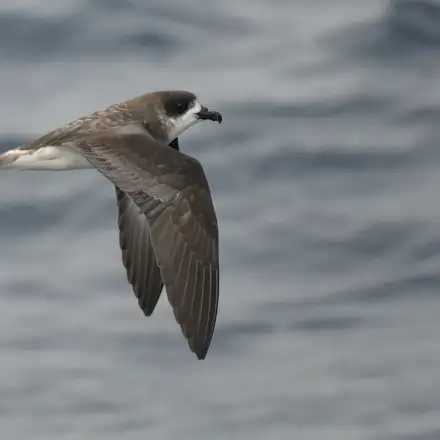
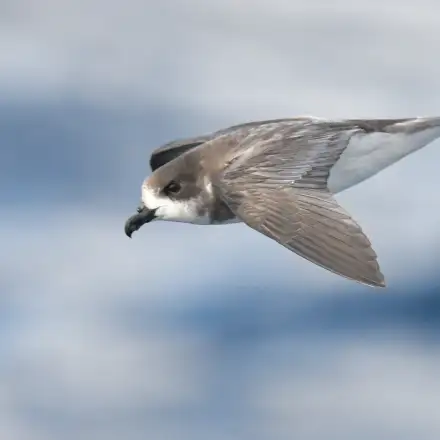
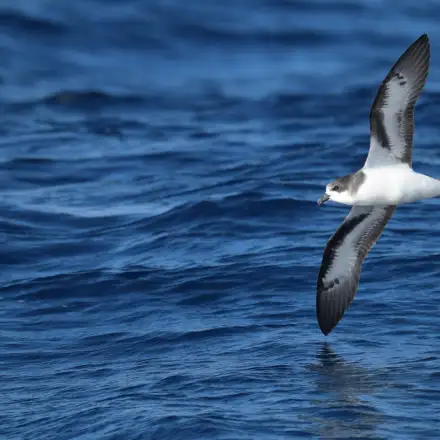
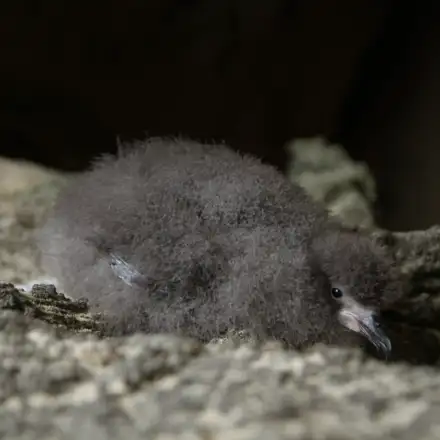
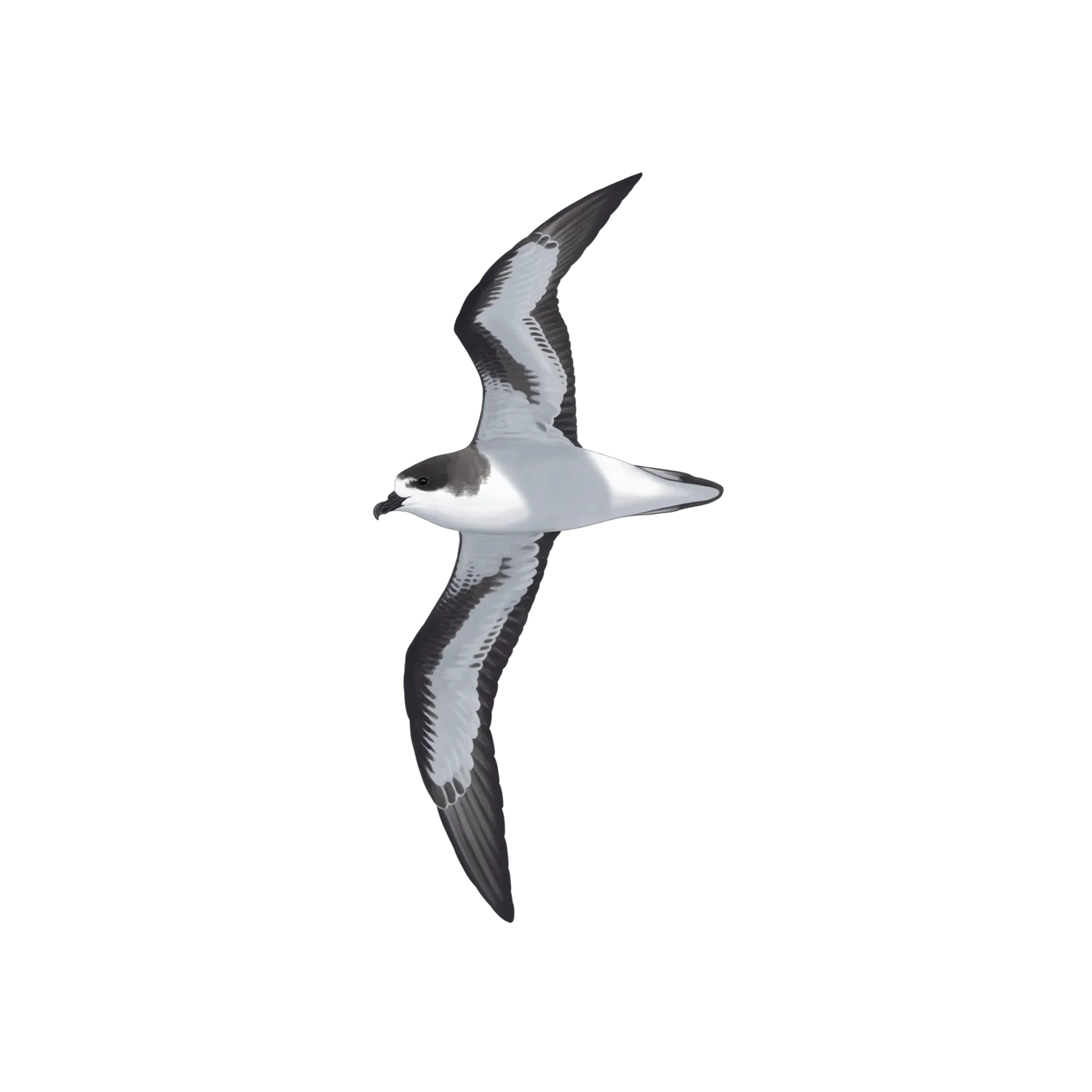
Bermuda Petrel
Scientific name: Pterodroma cahow
Family procellariidae
Phenology
- Mainland
- Absent
- Madeira
- Vagrant
- Azores
- Wintering and passage migrant
Conservation status
Learn more- Mainland
- Madeira
- Azores
- IUCN Global
Maps
Distribution | Breeding
Scale
Minimum value:
Maximum value:
Scale
Minimum value:
Maximum value:
Scale
Minimum value:
Maximum value:
Scale
Minimum value:>
Maximum value:<
Scale
Minimum value:
Maximum value:
Scale
Minimum value:>
Maximum value:>
Distribution based on seabird tracking data (locations/hexagone).
Colony(ies) of origin:
Device:
Data period / number of individuals:
Data period / number of individuals:
Distribution of seabird breeding colonies or sites (number of breeding pairs).
Distribution based on marine censuses (probability of occurrence).
Observed density based on marine censuses (birds/ km2).
Confirmed occurence during marines censuses.
Abundance of waders derived from Project Arenaria coastal surveys (birds/square).
Passage rates derived from RAM coastal surveys (birds/hour).
No data available for the selected period.
Presentation
Distribution, movements and phenology
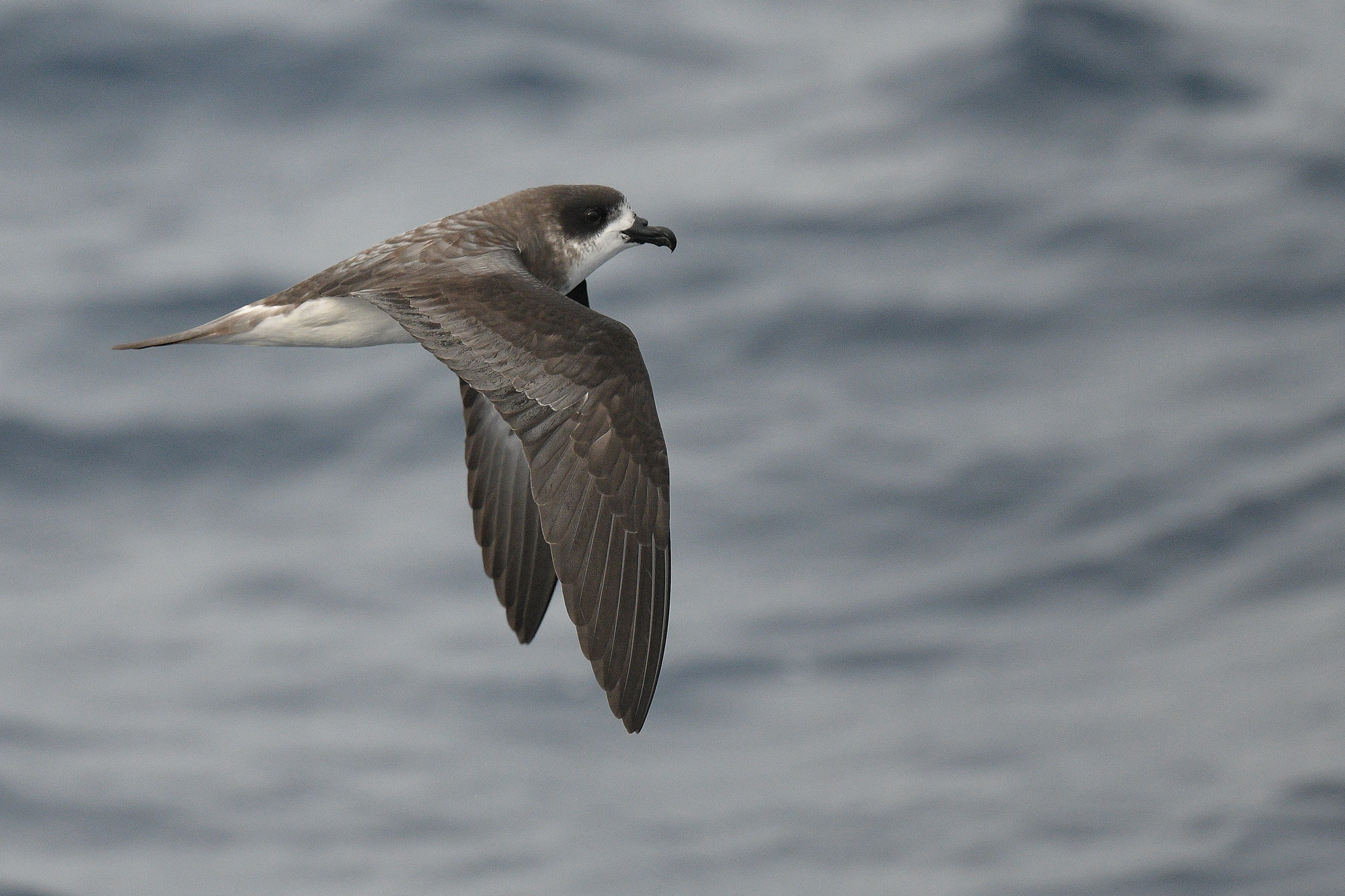
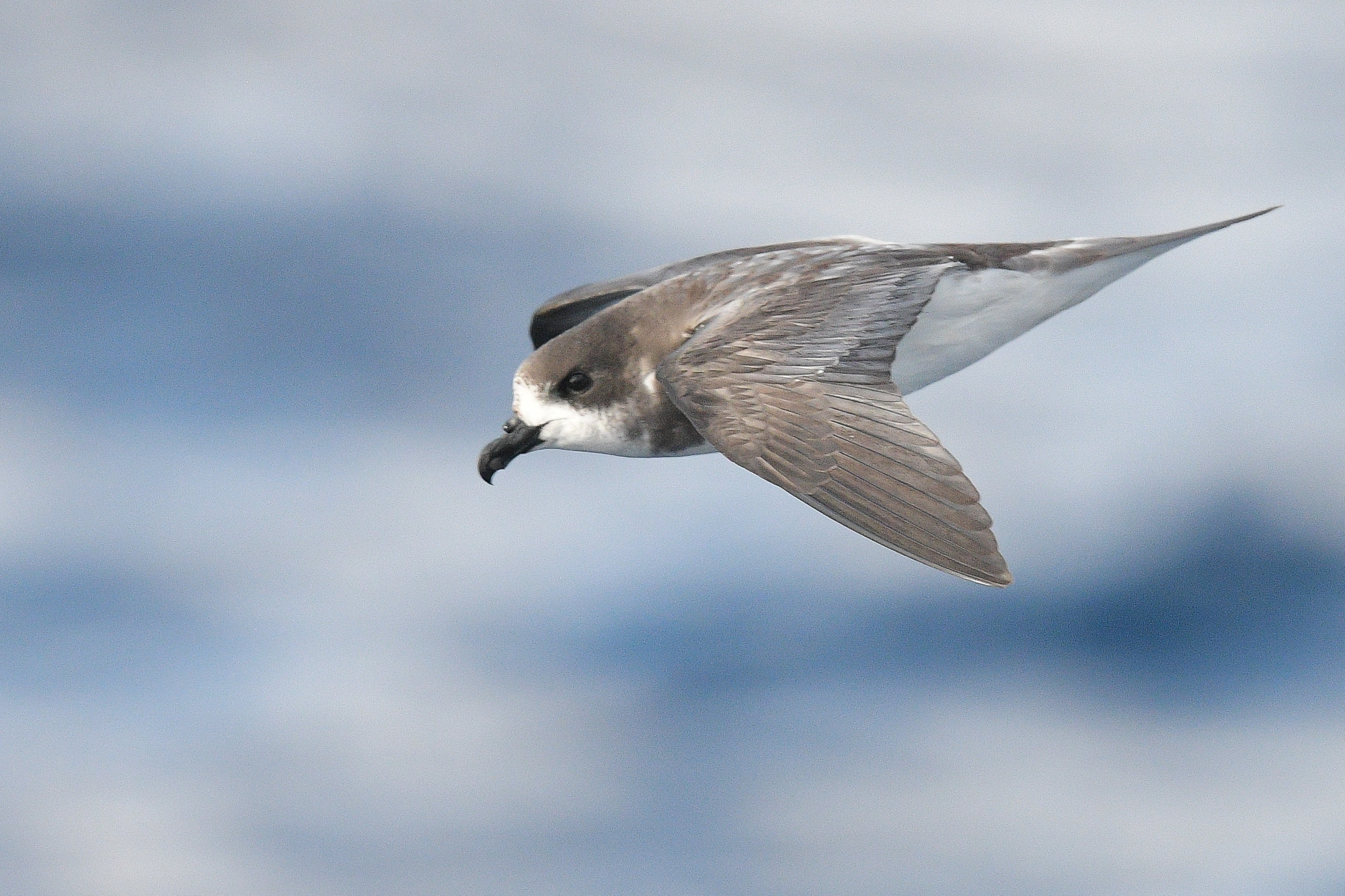
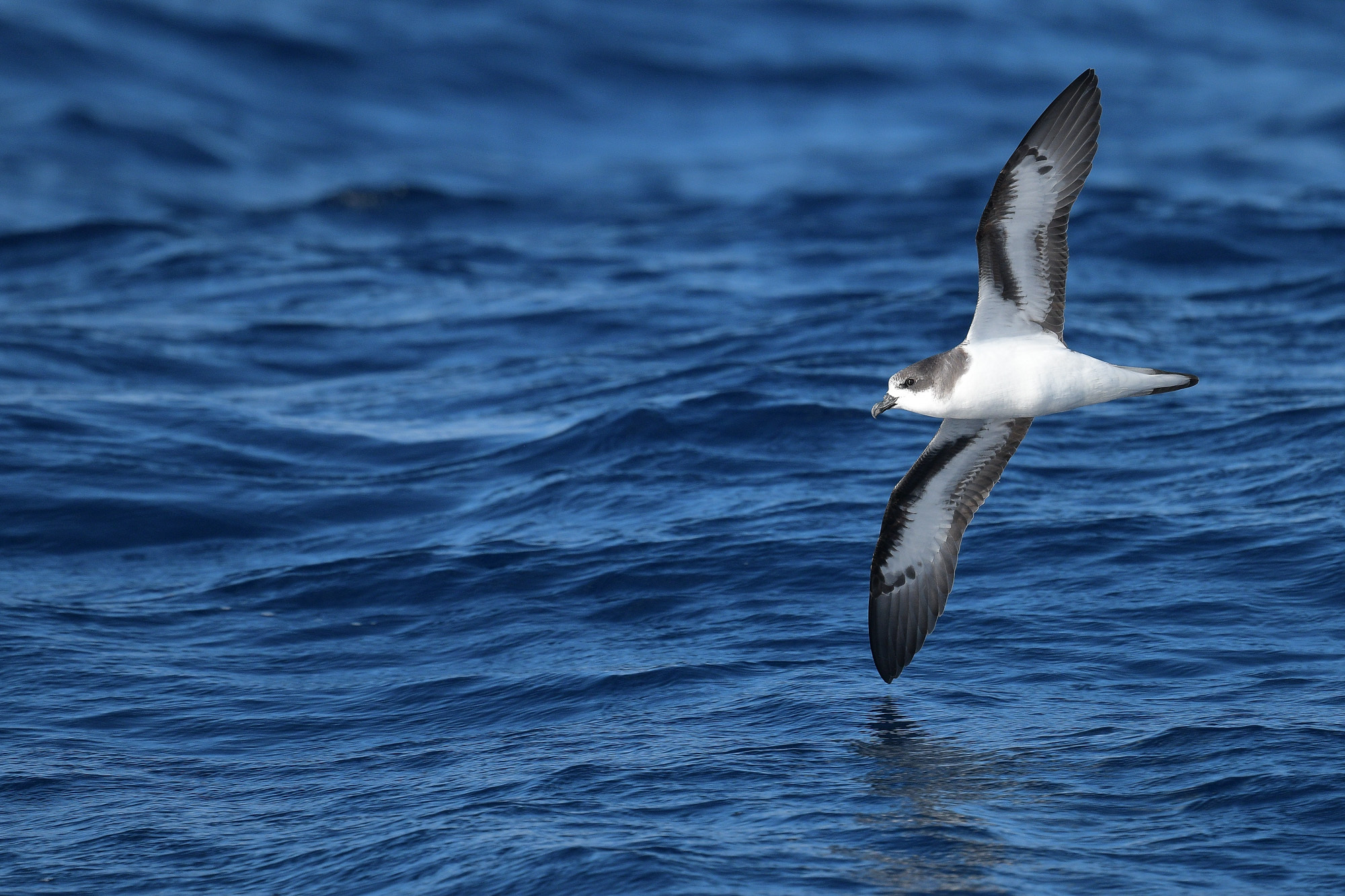
The Bermuda Petrel breeds exclusively on a small number of islets in the Bermuda archipelago between January and June, from which the adults undertake extensive movements across the North-west Atlantic (Billerman et al. 2026). During the breeding season, the species regularly inhabits the waters of the USA and Canada, concentrating along the continental slope, beyond the continental shelf (Raine et al. 2021; Campioni et al. 2023). Outside the breeding season (mid-June to October), the species migrates eastwards, crossing the Atlantic and concentrating in the NACES Marine Protected Area (Medeiros et al. 2014). During these transoceanic movements, Bermuda Petrels frequently enter the Portuguese EEZ. Data from 14 birds fitted with GLS between 2021 and 2023 in Bermuda showed that 45% of individuals used Azorean waters between February and December, with a peak in October, indicating that Portuguese oceanic waters play an important role in the species’ migratory corridor. Some occurrences were also recorded in the Madeira sub-area, whilst the species was absent from the Mainland waters.
Abundance and population trends
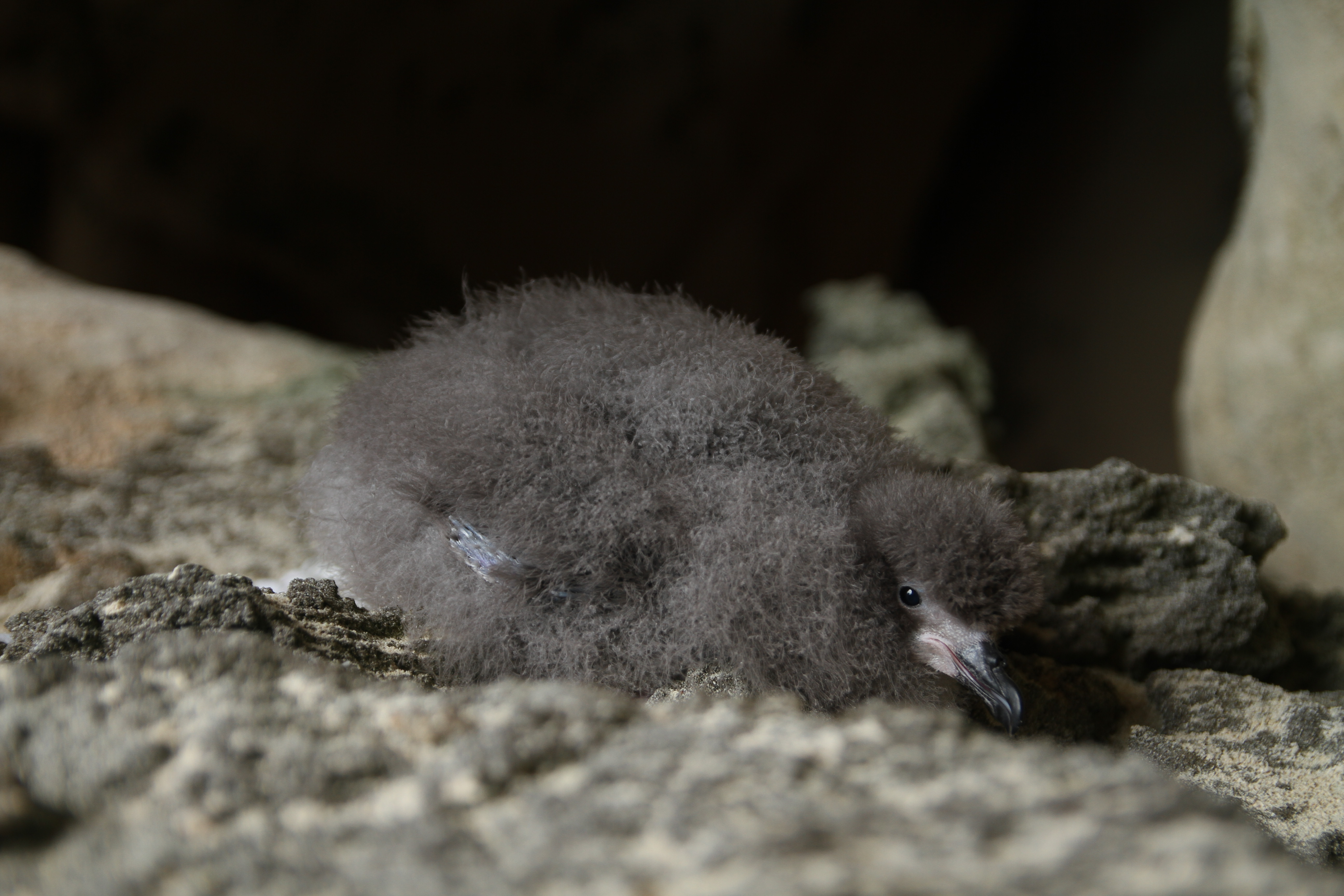
The global population was estimated at 165 pairs in 2024 (Madeiros 2024). Ten years after the 1951 rediscovery of 13 pairs, following a long period during which the species was considered extinct, a monitoring and recovery programme was implemented. This has led to a slow but steady increase in the population, with an average annual growth rate of 1.04% (Madeiros et al. 2012). The recovery included the successful re-establishment of a historic colony on Nonsuch Island through the translocation of chicks, which currently numbers 39 pairs. Although the species breeds exclusively in Bermuda, the record of an individual in an Azorean colony in November 2002, at the beginning of the breeding season, is of particular note (Bried & Magalhães 2004). This record constitutes the first documented observation of the species in the Palearctic region and, although there is no further evidence of breeding, fossils have recently been found in the Azores that may belong to this species (Rando et al. 2024).
Ecology and habitat
The Bermuda Petrel is a pelagic seabird that feeds in deep ocean waters. Its diet consists of squid and small mesopelagic fish. It breeds mainly in artificial nests (98% of the population) installed in areas of restored forest or on rocky terrain with native vegetation.
Threats and conservation
The species is protected at national level in Bermuda, Canada and the USA, ensuring partial international protection. The recovery plan, implemented by the Bermudian government since 1960, includes measures to control the main threats to the species, such as erosion and flooding caused by hurricanes and rising sea levels, predation by invasive rats, and competition for burrows with the White-tailed Tropicbird Phaethon lepturus. At sea, it faces risks of food contamination from polychlorinated biphenyls (PCBs), polychlorinated terphenyls (PTCs) and mercury, and is also vulnerable to collisions following attraction by artificial light, and to climate change, which may affect the availability of prey (BirdLife International 2025).
- Autores
Letizia Campioni, Francesco Ventura
- Owners/sources of tracking data
Letizia Campioni, Jeremy Lee Madeiros, Carina Gjerdrum
Rando JC, Pieper H, Pereira F, Torres-Roig E & Alcover JA (2024). Petrel extinction in Macaronesia (North-East Atlantic Ocean): the case of the genus Pterodroma (Aves: Procellariiformes: Procellariidae). Zoological Journal of the Linnean Society 202(2): zlae123. Bibliography:
Raine AF, Gjerdrum C, Pratte I, Madeiros J, Felis JJ & Adams J (2021). Marine distribution and foraging habitat highlight potential threats at sea for the endangered Bermuda petrel Pterodroma Cahow. Endangered Species Research 45: 337–356. Bibliography:
Madeiros J, Flood B & Zufelt K (2014). Conservation and at-sea range of Bermuda Petrel (Pterodroma cahow). North American Birds 67(4): 547-557. Bibliography:
Madeiros J, Carlile N & Priddel D (2012). Breeding biology and population increase of the endangered Bermuda petrel Pterodroma cahow. Bird Conservation International 22: 35–45. Bibliography:
Madeiros JN (2024). Results of the 2024 Cahow breeding season. Latest updates on Bermuda’s endangered national bird. In Audubon. Audubon Newsletter. The Bermuda Audubon Society, Bermudas. Bibliography:
Campioni L, Ventura F, Granadeiro JP, Madeiros J, Gjerdrum C & Silva MC (2023). Combining bio-logging, stable isotopes and DNA metabarcoding to reveal the foraging ecology and diet of the endangered Bermuda petrel Pterodroma cahow. Marine Ecology Progress Series 723: 151–170. Bibliography:
Bried J & Magalhães MC (2004). First palearctic record of the endangered Bermuda Petrel Pterodroma cahow. Bulletin of the British Ornithologists' Club 124: 202-206. Bibliography:
BirdLife International (2025). IUCN Red List for birds. Downloaded from https://datazone.birdlife.org on 30.11.2025. Bibliography:
Billerman SM, Keeney BL, Kirwan GM, Medrano F, Sly ND & Smith MG (eds.) (2026). Birds of the World. Cornell Laboratory of Ornithology, Ithaca, NY, USA. Glossary:
North Atlantic Current and Evlanov Sea Basin Marine Protected Area (NACES) designated in 2021 with the specific aim of conserving migratory seabirds. NACES is located in the centre of the North Atlantic, between the Azores, the United Kingdom, Canada and Greenland. Glossary:
Artificial structures installed to provide alternative nesting sites and increase breeding success. Glossary:
Long-distance migratory movement across vast oceans, linking breeding and wintering grounds separated by thousands of kilometres. Glossary:
Preferred routes and geographical areas where the movement of individuals is concentrated during migrations. Glossary:
Persistent changes in global or regional climate patterns, influenced by natural and anthropogenic factors. Glossary:
Waters situated away from the coast, beyond the continental shelf. It is used in matters relating to maritime activities, such as fishing, the oil industry and the exploitation of renewable energy. These waters are characterised by being located in the open sea, at great depths and far from coastal influences such as rivers and estuaries. They are thus distinguished from coastal waters. Glossary:
Under the United Nations Convention on the Law of the Sea, coastal states are entitled to declare an EEZ comprising maritime area beyond their territorial waters. The national EEZ is delimited by an imaginary line situated 200 nautical miles from the coast, separating national waters from international or shared waters. Within its EEZ, each state has rights such as the exploitation of marine resources, the conduct of scientific research and the regulation of fishing by foreign vessels. Glossary:
A portion of the seabed with a very steep gradient lying between the continental shelf and the continental margin, where the abyssal plains begin. Glossary:
The portion of the seabed that begins at the coastline and slopes gently downwards to the continental slope (where the slope is much steeper). On average, the continental shelf extends to a depth of 200 metres. Glossary:
The area or environment where organisms that do not depend on the seafloor normally live. It is the typical ecological environment of open ocean waters. The pelagic ecosystem does not include only the open sea; it also comprises the waters covering the continental shelf. The pelagic zone begins below the influence of tides and extends into the open ocean, at depths ranging from a few tens of metres to approximately 6,000 metres, and is divided into different layers. Glossary:
A marine organism living in the water column generally between 200 and 1,000 metres in depth. Glossary:
A small device attached to birds to study their large-scale movements (usually migration), which works by recording light intensity (from which the duration of night and the local midday time are estimated, and consequently the latitude and longitude on each day).