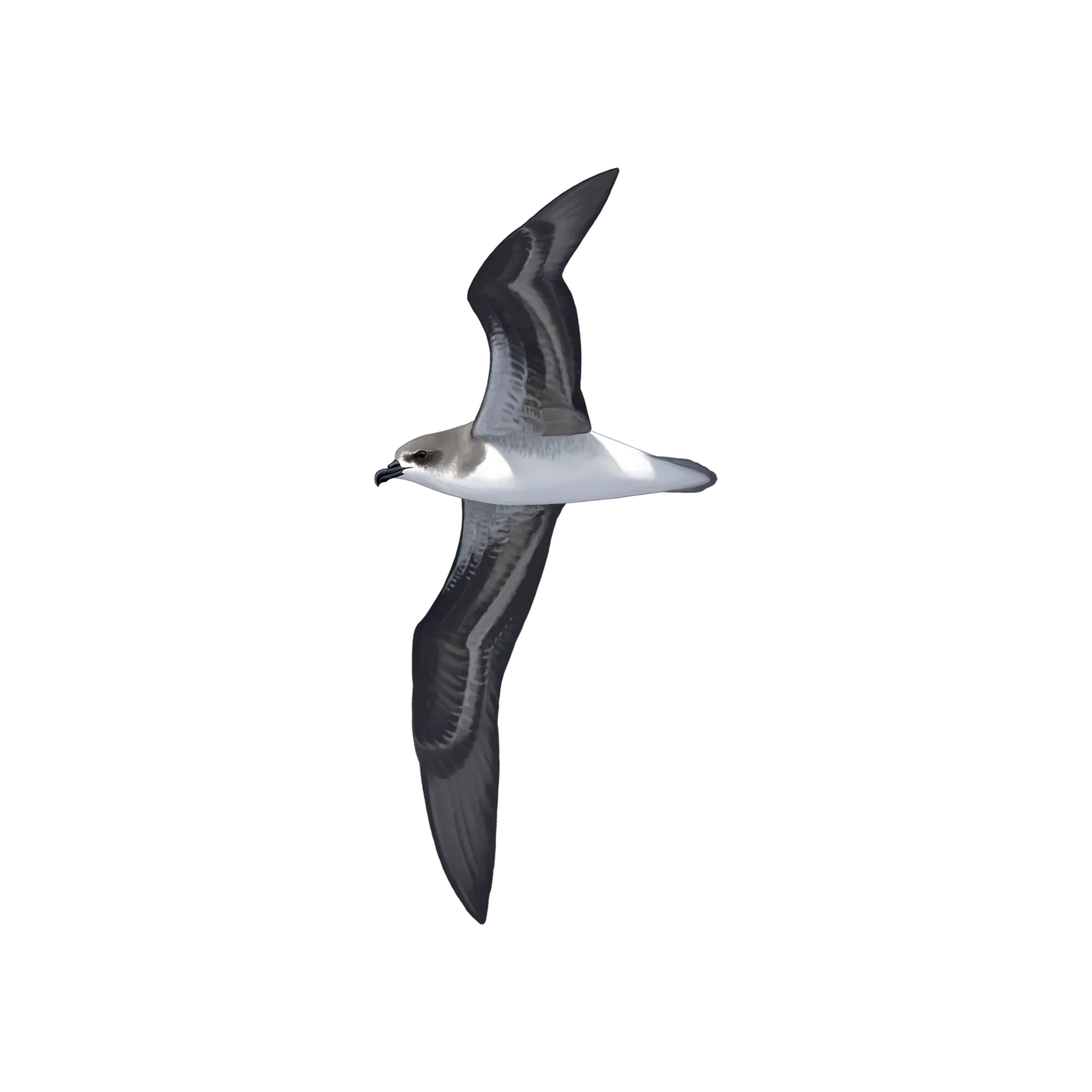
Cape Verde Petrel
Scientific name: Pterodroma feae
Family procellariidae
Phenology
- Mainland
- Absent
- Madeira
- Summering and wintering
- Azores
- Summering and wintering
Conservation status
Learn more- Mainland
- Madeira
- Azores
- IUCN Global
Maps
Distribution | Breeding
Scale
Minimum value:
Maximum value:
Scale
Minimum value:
Maximum value:
Scale
Minimum value:
Maximum value:
Scale
Minimum value:>
Maximum value:<
Scale
Minimum value:
Maximum value:
Scale
Minimum value:>
Maximum value:>
Distribution based on seabird tracking data (locations/hexagone).
Colony(ies) of origin:
Device:
Data period / number of individuals:
Data period / number of individuals:
Distribution of seabird breeding colonies or sites (number of breeding pairs).
Distribution based on marine censuses (probability of occurrence).
Observed density based on marine censuses (birds/ km2).
Confirmed occurence during marines censuses.
Abundance of waders derived from Project Arenaria coastal surveys (birds/square).
Passage rates derived from RAM coastal surveys (birds/hour).
No data available for the selected period.
Presentation
Distribution, movements and phenology
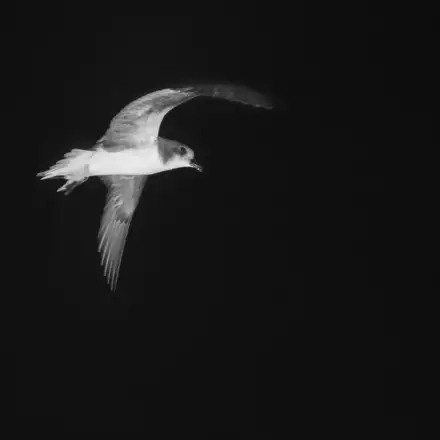
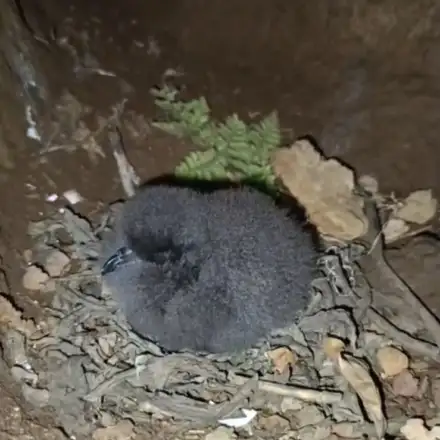
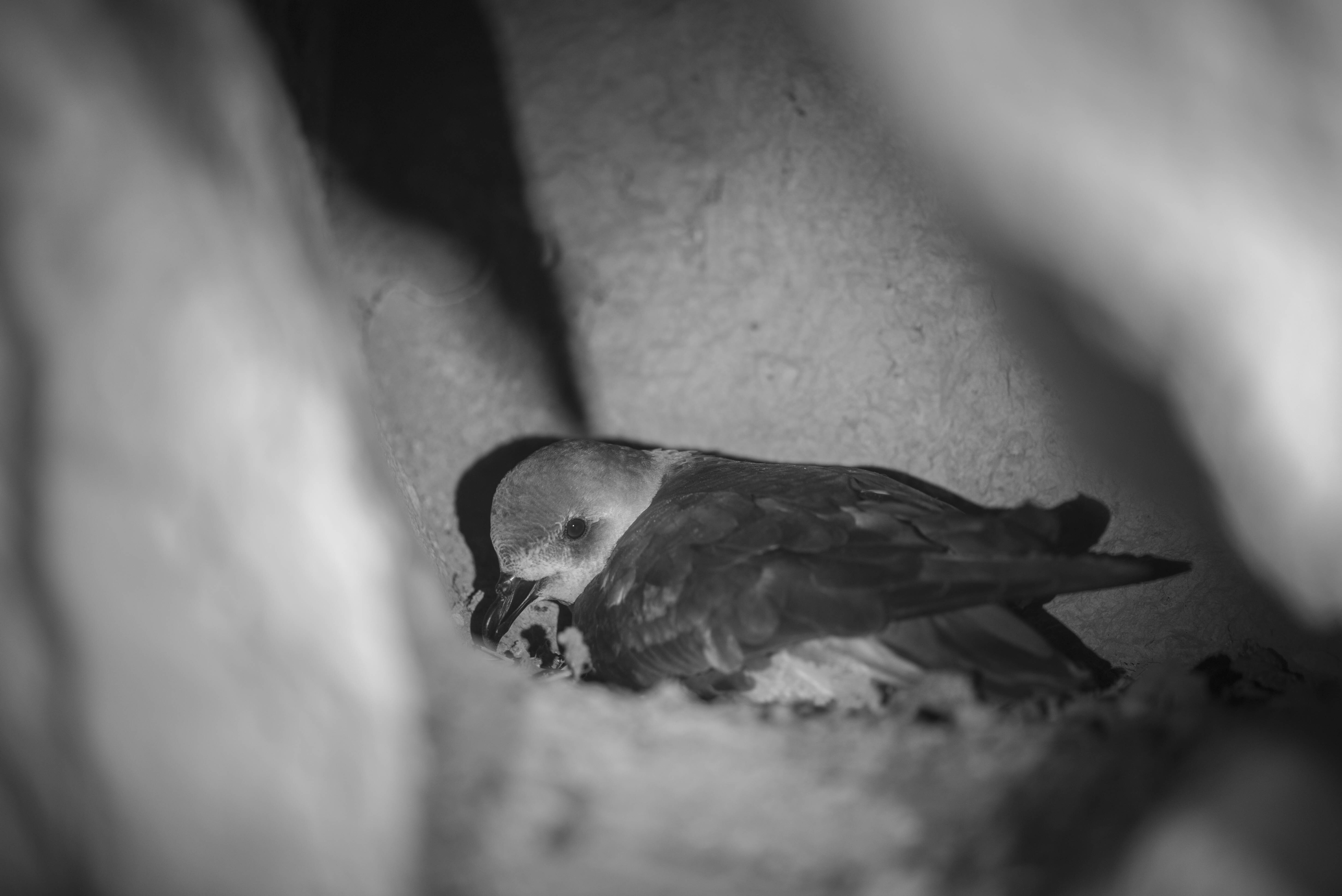
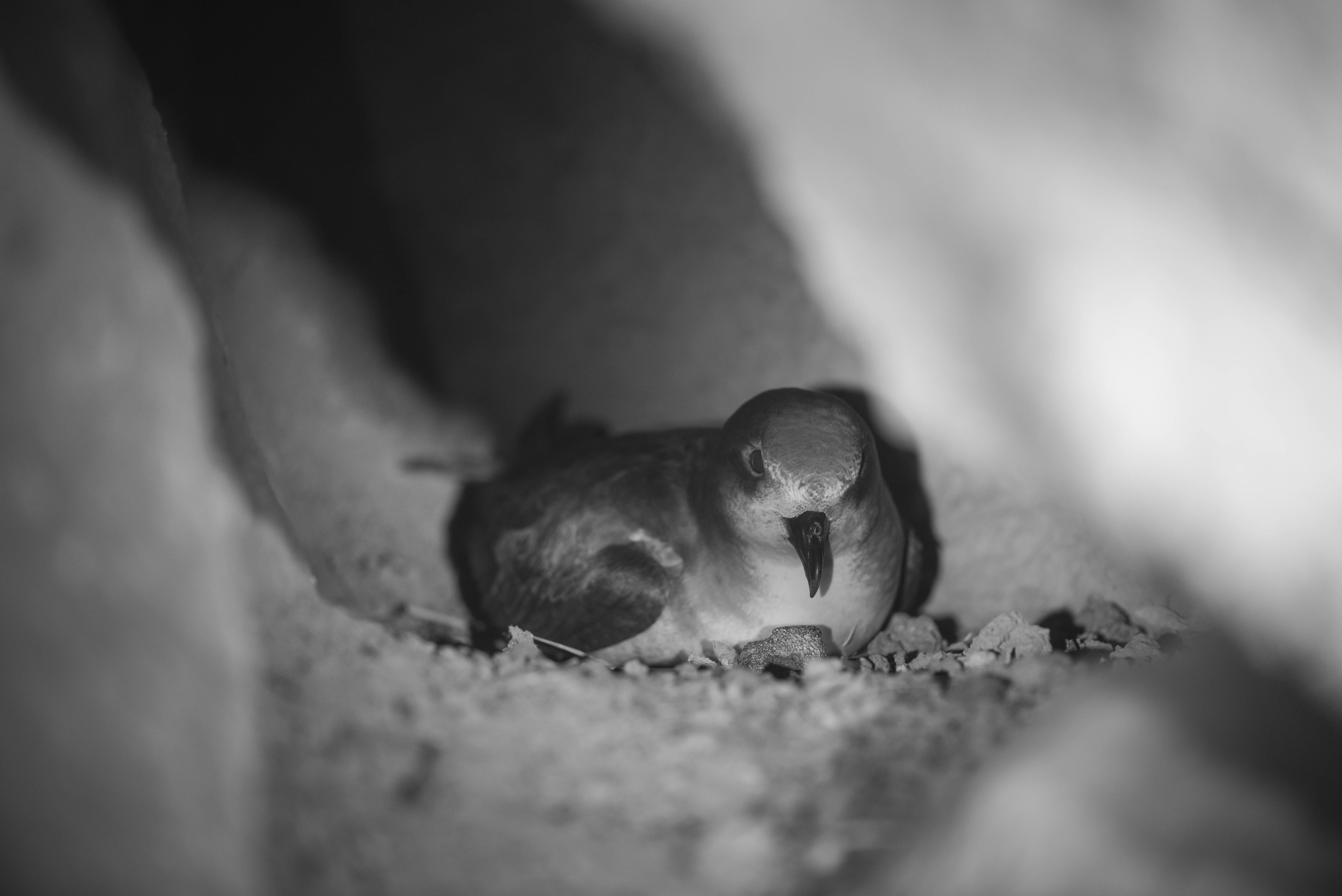
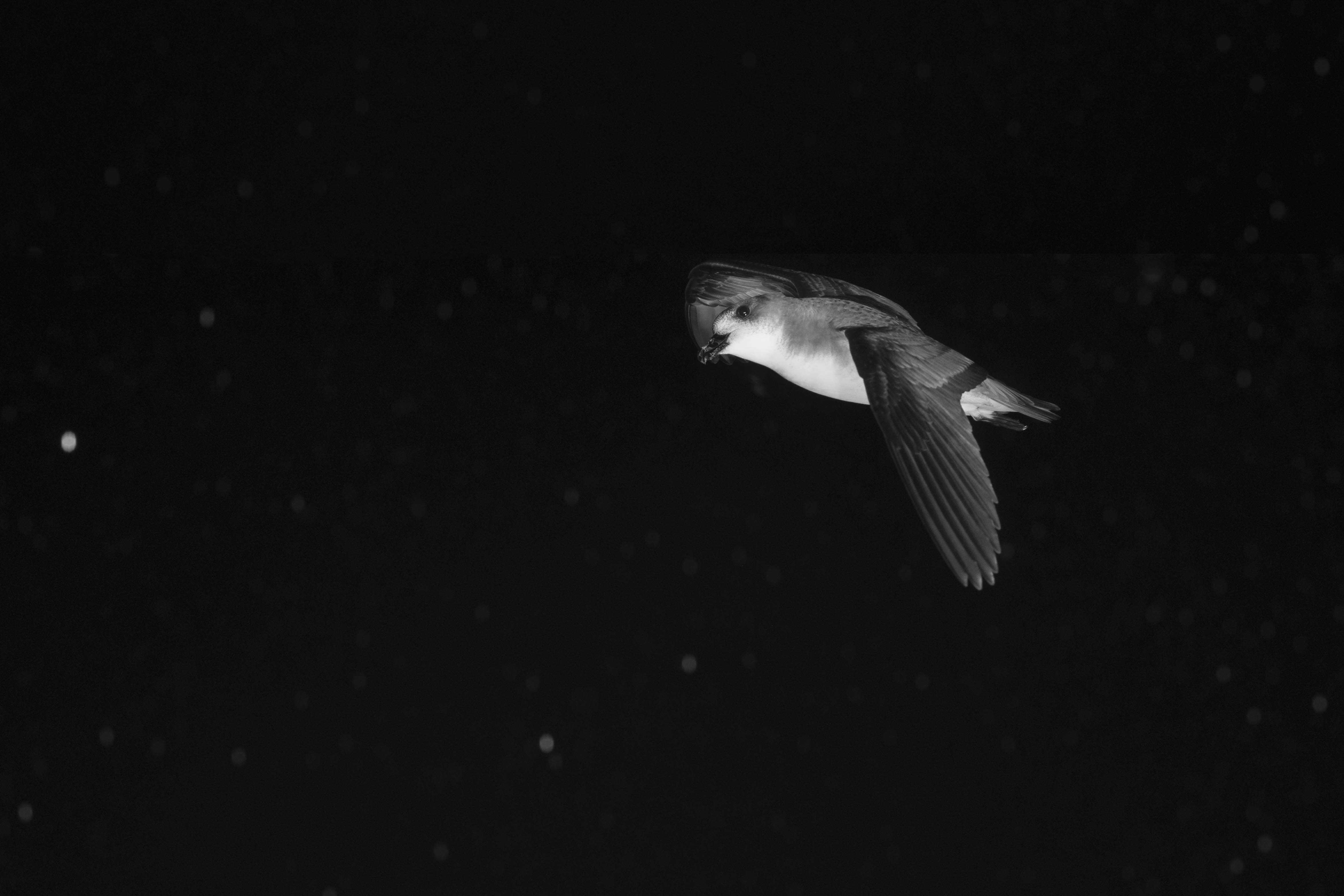
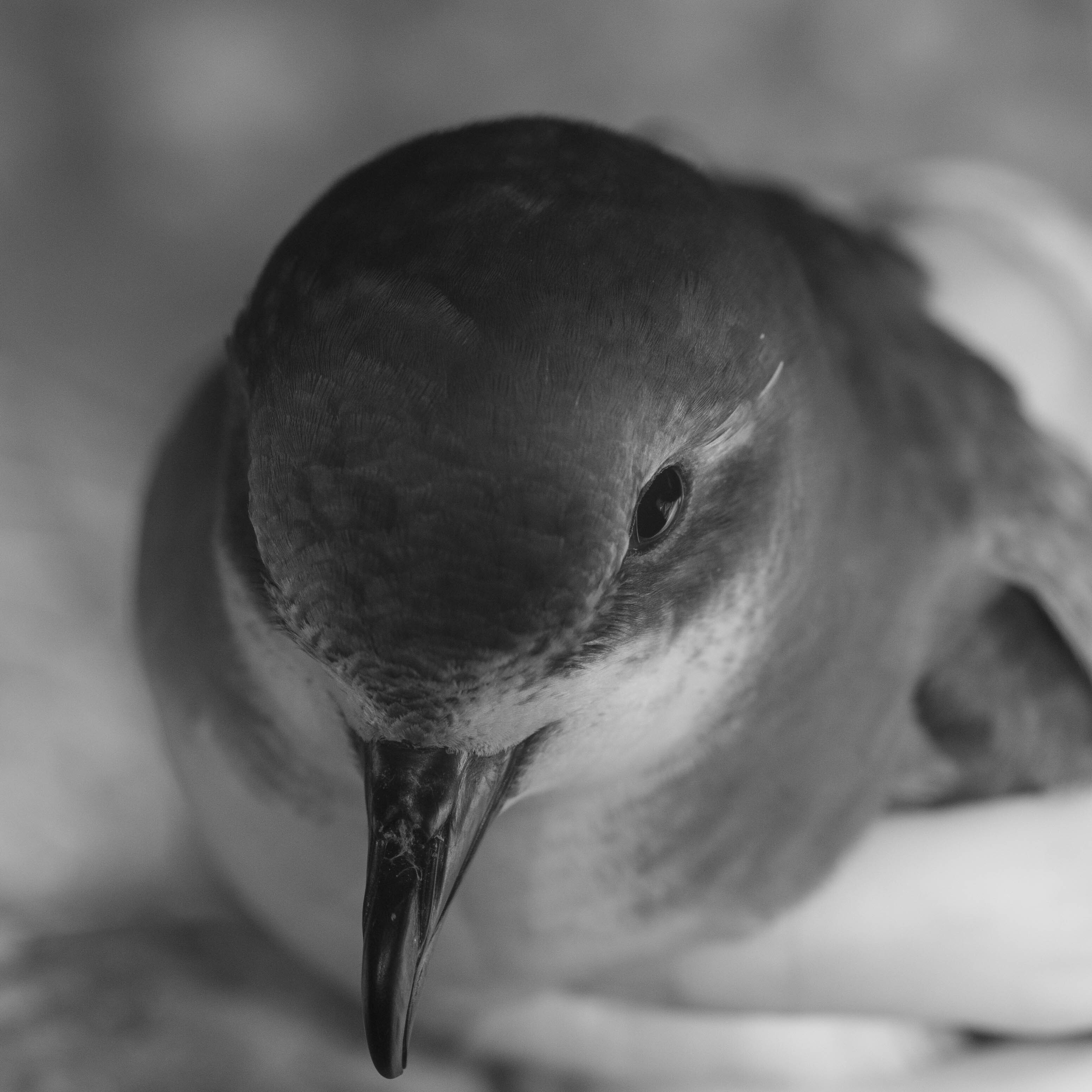
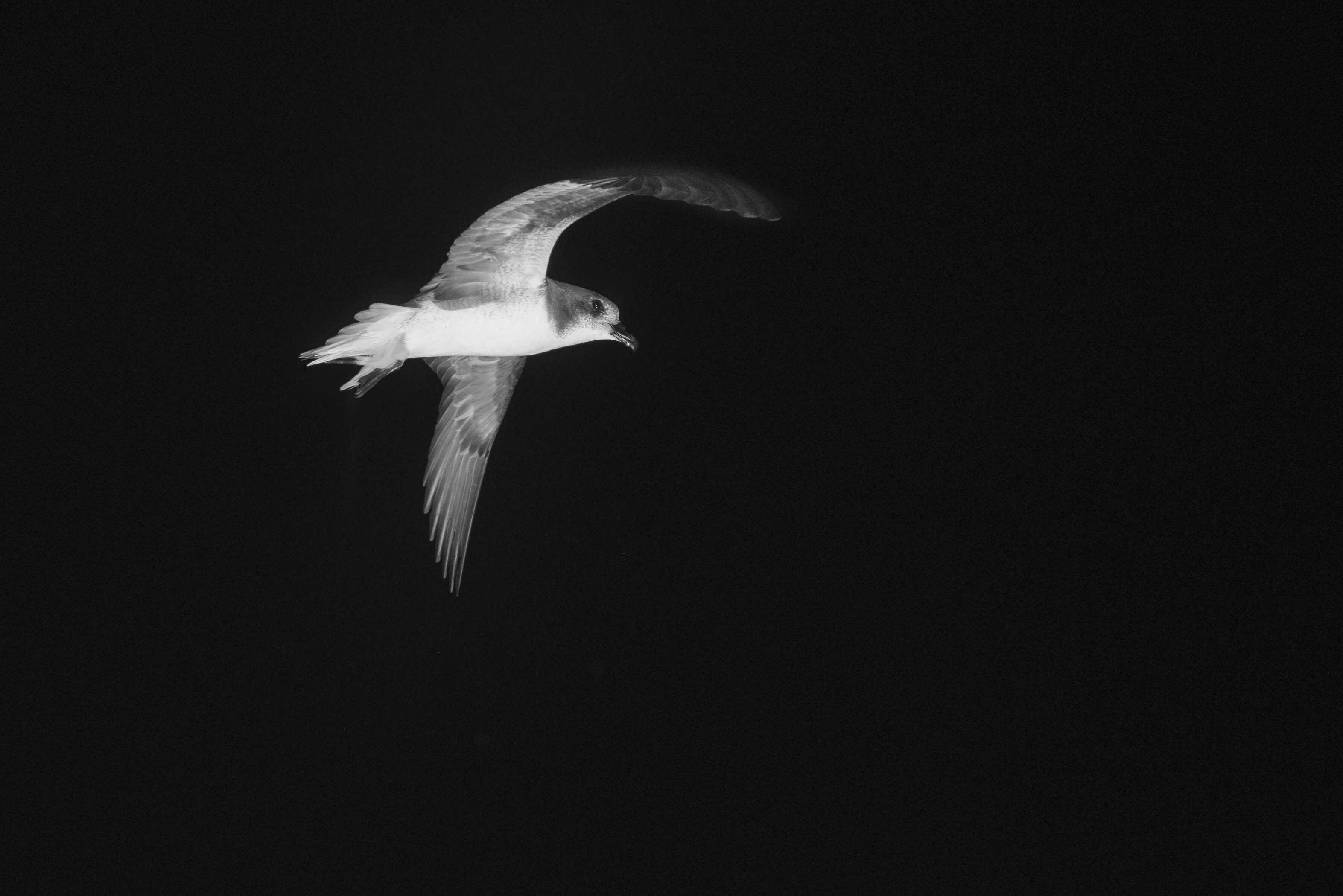
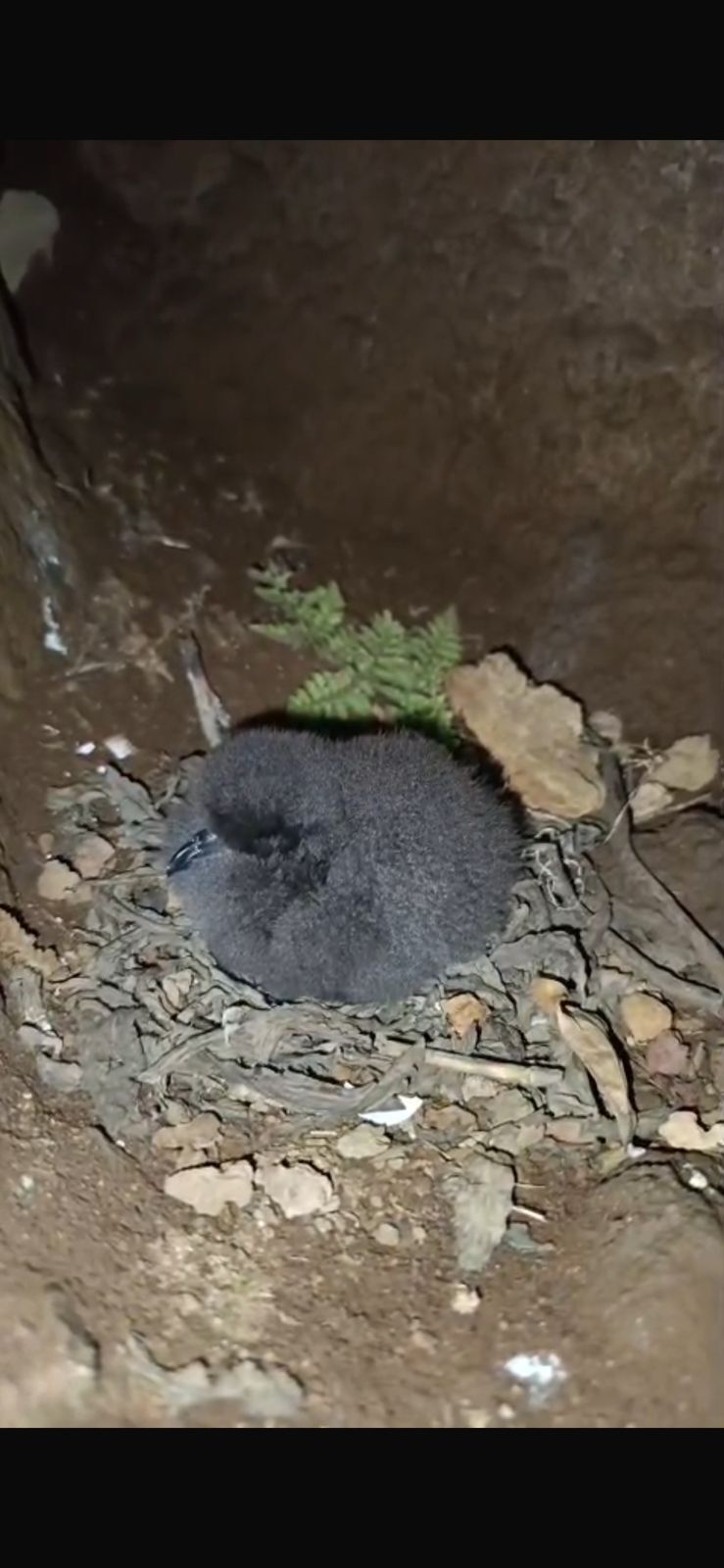
The Cape Verde Petrel breeds exclusively on four islands in Cape Verde (Fogo, Santo Antão, São Nicolau and Santiago) between November and May (Ratcliffe et al. 2000). Although it is an oceanic species, the birds remain in the vicinity of the breeding area throughout the year (Ramos et al. 2016). This species has only been recognised very recently, which may explain the lack of records of its occurrence in Portuguese waters. Based on data from 13 birds fitted with GLS between 2007 and 2014, two regularly used the Azores and Madeira sub-areas of the EEZ throughout the year, specifically between the easternmost part of the Azores and the western half of Madeira.
Abundance and population trends
The global population has been estimated at 500 to 1,000 breeding pairs (Ratcliffe et al. 2000). In addition to being out of date and likely underestimated, the population appears to be in decline (BirdLife International 2025). In Portugal, its abundance is also unknown, and may be higher than would be expected based on the information presented in this publication. The lack of information regarding its population trends has made it impossible to assess its environmental status.
Ecology and habitat
It is believed that the Cape Verde Petrel has an ecology and diet very similar to most other petrels. Although little information is available, it is a distinctly pelagic species that is thought to feed mainly on cephalopods and fish (Ramos et al. 2016).
Threats and conservation
The Cape Verde Petrel is not currently threatened with extinction, but there are indications that its population trend is declining (Militão et al. 2017). It is subject to predation by invasive mammals (cats, rats and dogs) at breeding sites, as well as capture for human consumption and medicinal purposes (BirdLife International 2025).
- Autor
Nuno Oliveira
- Owners/sources of tracking data
Ratcliffe N, Zino FJ, Oliveira P, Vasconcelos A, Hazevoet CJ, Neves HC, Monteiro LR & Zino EA (2000). The status and distribution of Fea's Petrel Pterodroma feae in the Cape Verde Islands. Atlantic Seabirds 2(2): 73-86. Bibliography:
Ramos R, Ramírez, Paiva VH, Militão T, Biscoito M, Menezes D, Phillips RA, Zino F & González-Solís J (2016). Global spatial ecology of three closely-related gadfly petrels. Scientific Reports 6: 23447. Bibliography:
Militão T, Dinis HA, Zango L, Calabuig P, Stefan LM & González-Solís J (2017). Population size, breeding biology and on-land threats of Cape Verde Petrel (Pterodroma feae) in Fogo Island, Cape Verde. PLoS ONE 12(4): e0174803. Bibliography:
BirdLife International (2025). IUCN Red List for birds. Downloaded from https://datazone.birdlife.org on 30.11.2025. Data:
Gonzalez-Solis J (2010d). Dataset 979: Cape Verde Petrel, Pterodroma feae, Geolocator (GLS), Fogo, Fogo, Cape Verde, 2007–2010. BirdLife International Seabird Tracking Database. Downloaded from https://data.seabirdtracking.org/dataset/979/ on 30.11.2025. Glossary:
A group of marine molluscs that includes squids, cuttlefish and octopuses. Glossary:
The direction of change in the size of a population over time (increase, decline or stability). Glossary:
A concept defined under the Marine Strategy Framework Directive (MSFD), referring to the condition of the elements of the marine environment, including birds. It aims to assess whether ecosystems are healthy, balanced and capable of supporting ecological functions and human uses in a sustainable manner. The ultimate goal is for the components and ecosystems to achieve Good Environmental Status. Glossary:
Under the United Nations Convention on the Law of the Sea, coastal states are entitled to declare an EEZ comprising maritime area beyond their territorial waters. The national EEZ is delimited by an imaginary line situated 200 nautical miles from the coast, separating national waters from international or shared waters. Within its EEZ, each state has rights such as the exploitation of marine resources, the conduct of scientific research and the regulation of fishing by foreign vessels. Glossary:
The area or environment where organisms that do not depend on the seafloor normally live. It is the typical ecological environment of open ocean waters. The pelagic ecosystem does not include only the open sea; it also comprises the waters covering the continental shelf. The pelagic zone begins below the influence of tides and extends into the open ocean, at depths ranging from a few tens of metres to approximately 6,000 metres, and is divided into different layers. Glossary:
A small device attached to birds to study their large-scale movements (usually migration), which works by recording light intensity (from which the duration of night and the local midday time are estimated, and consequently the latitude and longitude on each day).