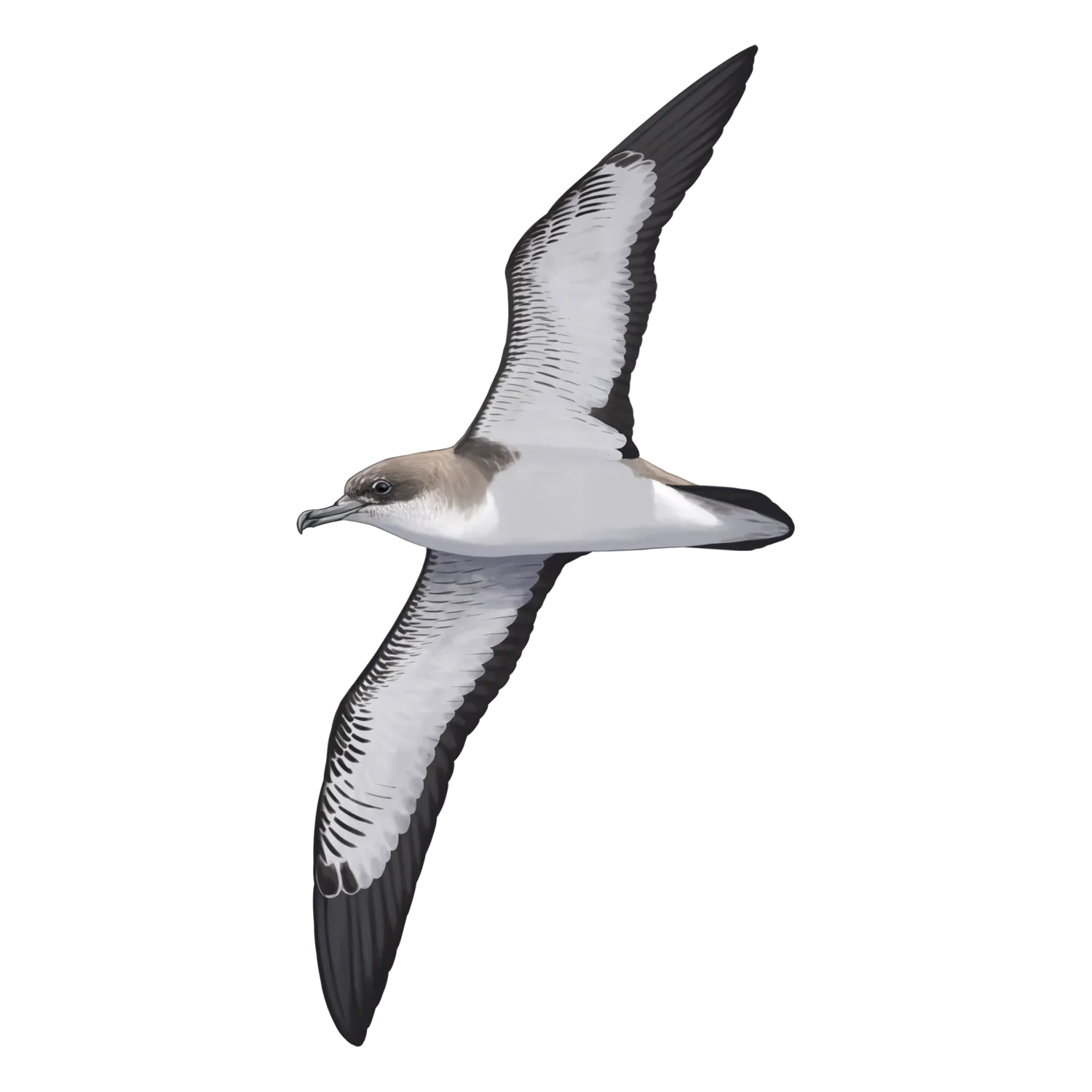
Cape Verde Shearwater
Scientific name: Calonectris edwardsii
Family procellariidae
Phenology
- Mainland
- Vagrant
- Madeira
- Passage migrant
- Azores
- Passage migrant
Conservation status
Learn more- Mainland
- Madeira
- Azores
- IUCN Global
Maps
Distribution | Breeding
Scale
Minimum value:
Maximum value:
Scale
Minimum value:
Maximum value:
Scale
Minimum value:
Maximum value:
Scale
Minimum value:>
Maximum value:<
Scale
Minimum value:
Maximum value:
Scale
Minimum value:>
Maximum value:>
Distribution based on seabird tracking data (locations/hexagone).
Colony(ies) of origin:
Device:
Data period / number of individuals:
Data period / number of individuals:
Distribution of seabird breeding colonies or sites (number of breeding pairs).
Distribution based on marine censuses (probability of occurrence).
Observed density based on marine censuses (birds/ km2).
Confirmed occurence during marines censuses.
Abundance of waders derived from Project Arenaria coastal surveys (birds/square).
Passage rates derived from RAM coastal surveys (birds/hour).
No data available for the selected period.
Presentation
Distribution, movements and phenology
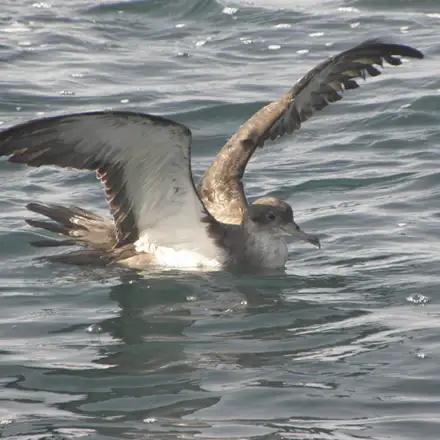
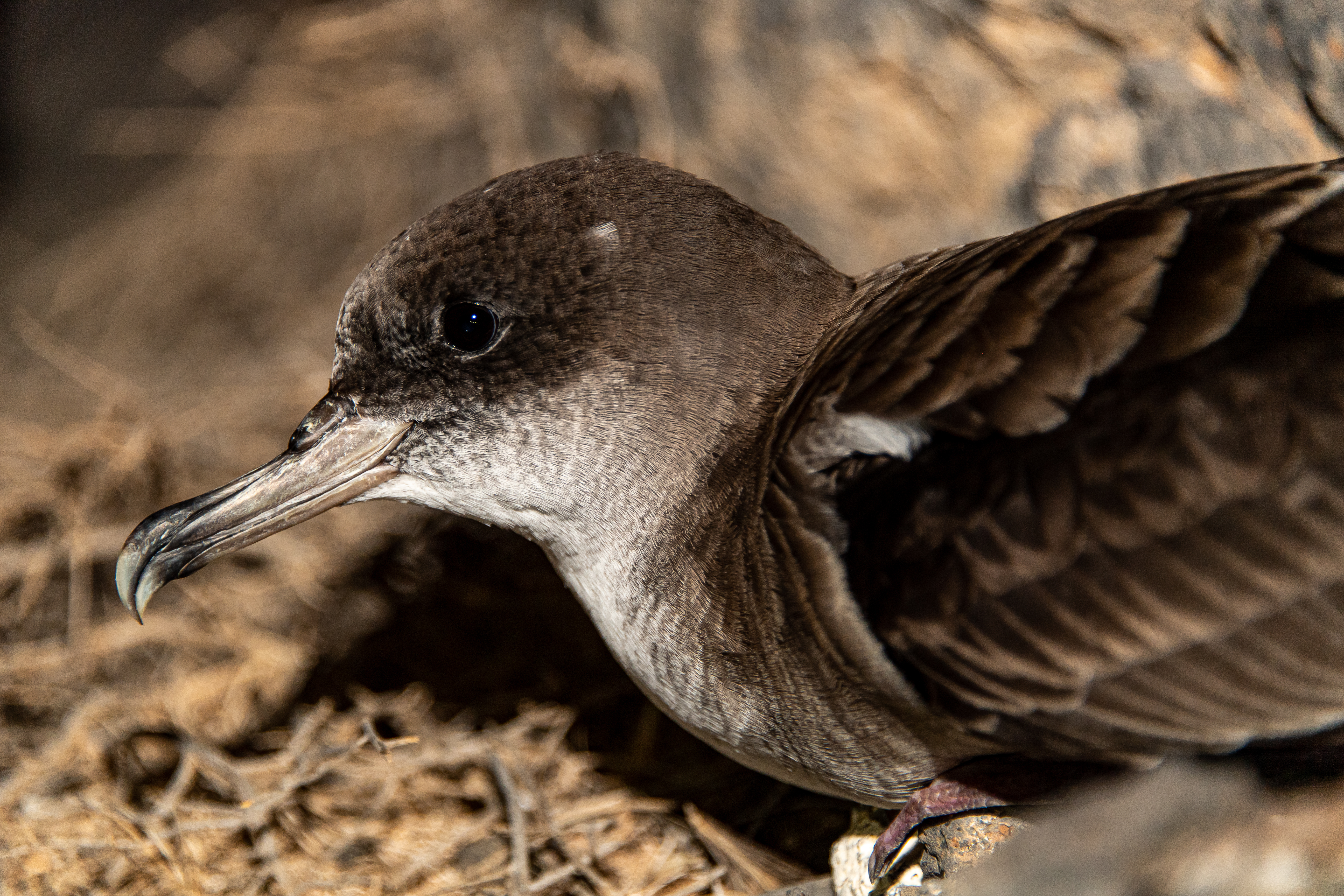
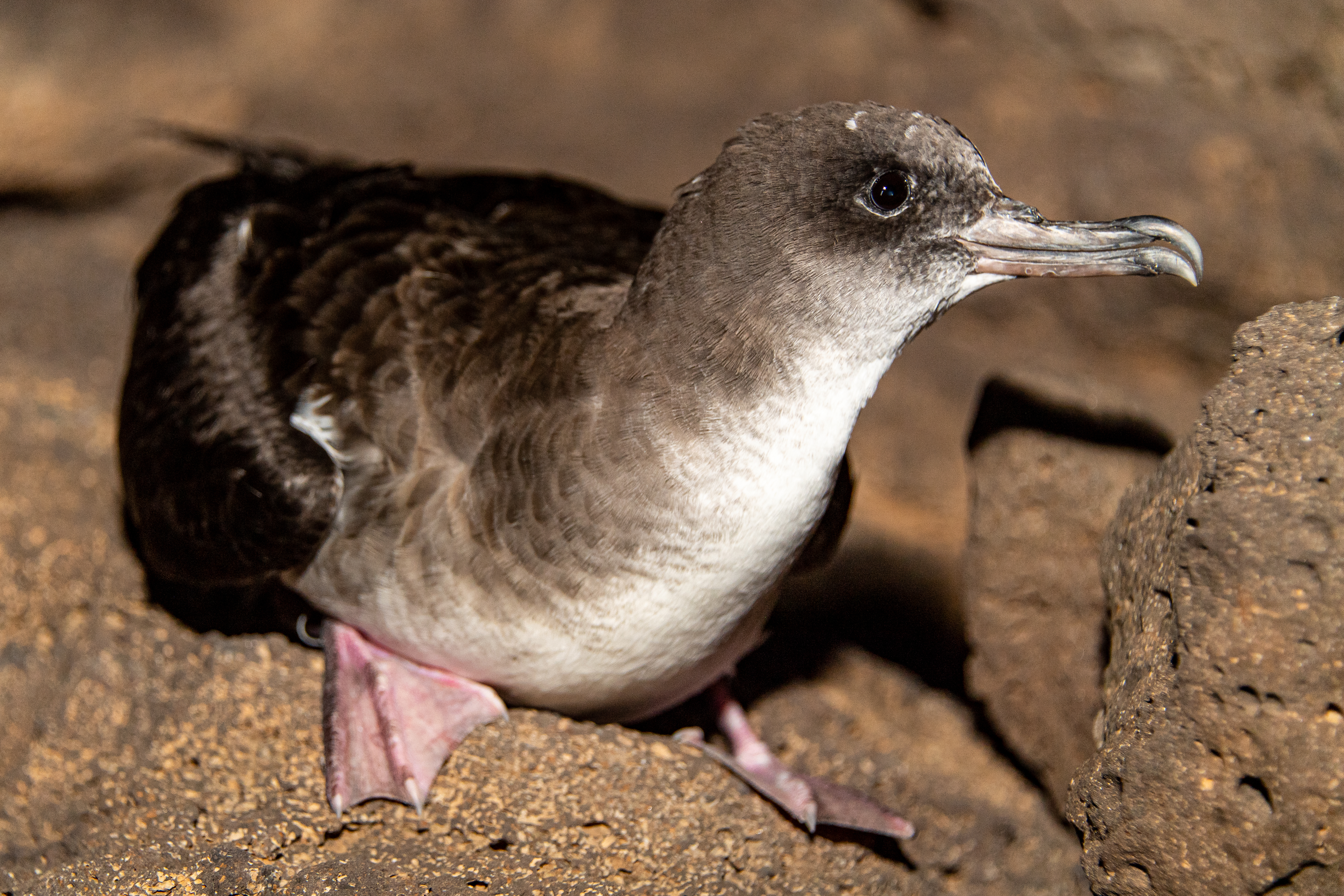
The Cape Verde Shearwater breeds exclusively in Cape Verde between March and November (Billerman et al. 2026). During the breeding season, it is mainly found in the waters between Cape Verde and the west coast of Africa, from Senegal to Mauritania . After breeding, it migrates to South America, to the waters off Brazil (González-Solís et al. 2009) and Uruguay, and has recently been recorded off the Atlantic coast of North America (Billerman et al. 2026). There are very few records of the species in the Portuguese EEZ. However, based on data from 33 birds from the island of Boavista and the islet of Raso, fitted with GLS between 2006 and 2013, the use of the Azores and Madeira sub-areas was observed throughout the breeding season, being most frequent in October and November. This latter period coincides with the final phase of feeding the chicks. The species appears to use mainly the eastern half of the Azores sub-area and the western and southern portions of the Madeira sub-area. These data suggest that the sub-area off the Mainland is not used.
Abundance and population trends
The global population was estimated at around 10,000 breeding pairs for the period 1988–1993 (Nunes & Hazevoet 2001). Although there are no more recent global estimates, the population size in the species’ largest colonies (the islets of Raso and Branco) was estimated at 9,812 pairs in 2015 (Biosfera pers. comm.), following the implementation of various protection measures (Semedo et al. 2021). However, a negative trend persists at the global population level (BirdLife International 2025).
As this is a very recently recognised species, the scarce information available regarding abundance and the limited number of records at the national level make it difficult to assess the proportion occurring in Portuguese waters. It is assumed, however, that it is a very rare species. Only three records have been submitted to the Portuguese Rarities Committee, all of them in the Madeira region (Robb et al. 2025). Consequently, there is no information available to assess the environmental status of the population using the Portuguese EEZ.
Ecology and habitat
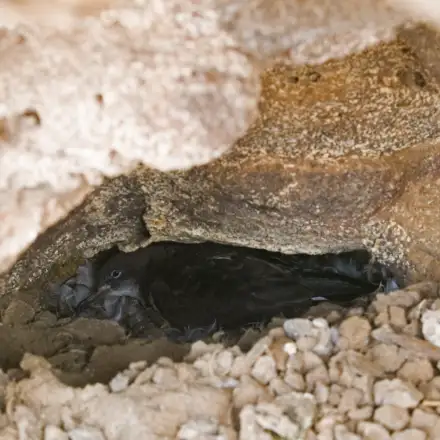
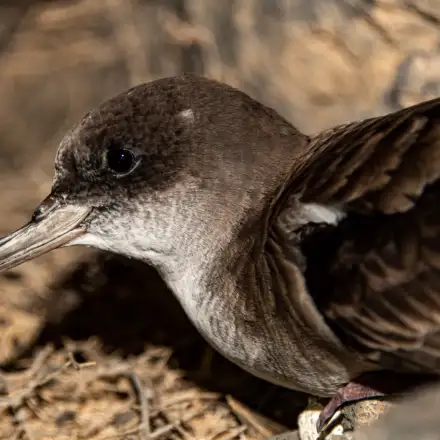
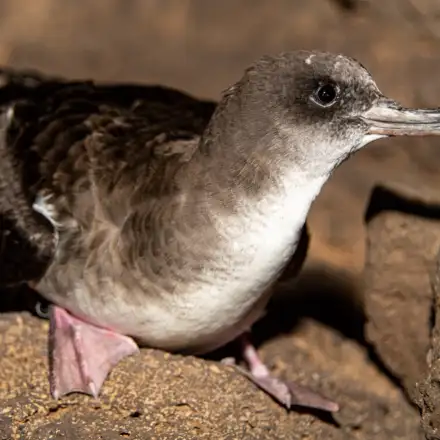
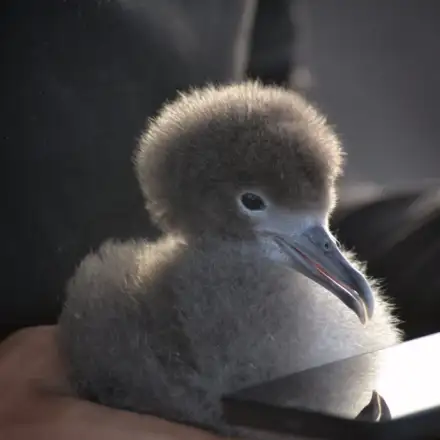
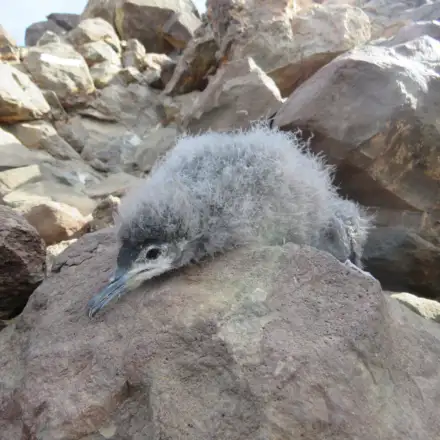
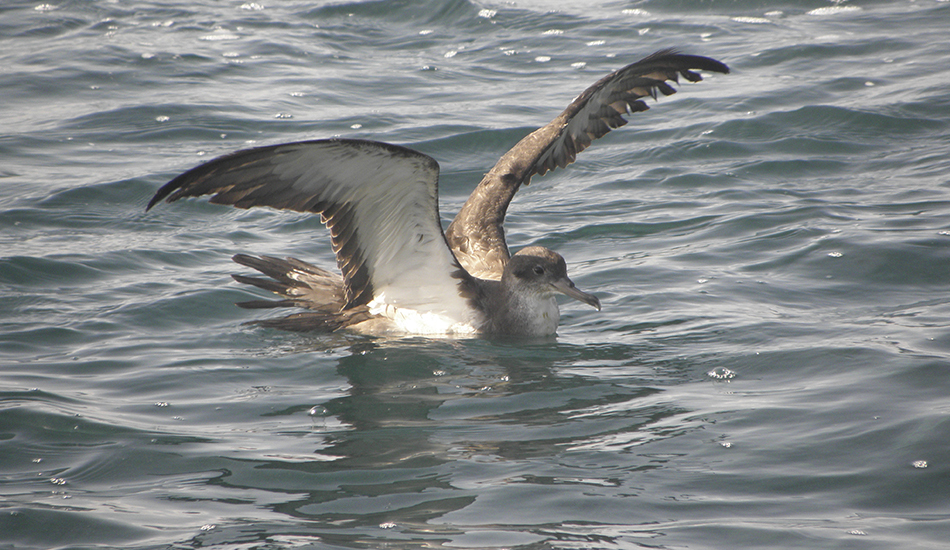
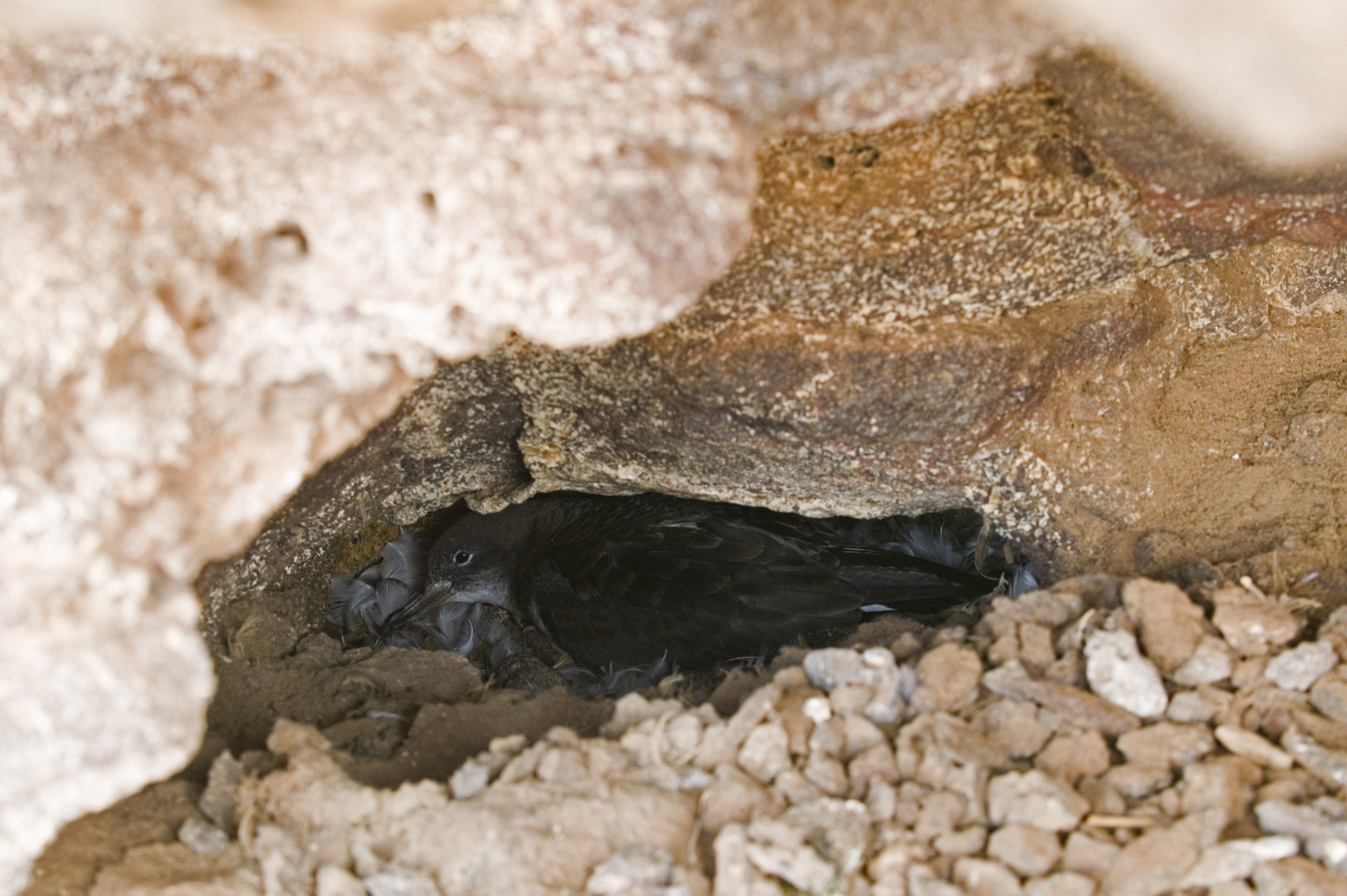
The Cape Verde Shearwater has an ecology and diet very similar to that of the Cory’s Shearwater. It is a distinctly pelagic species that feeds mainly on commercially valuable epipelagic fish and cephalopods caught at the surface or whilst diving (dos Santos et al. 2023; Billerman et al. 2026). It also frequently feeds on discards from commercial fisheries and bait used in hook fisheries. It nests in cavities in coastal cliffs and rocks, as well as under rocks (BirdLife International 2025).
Threats and conservation
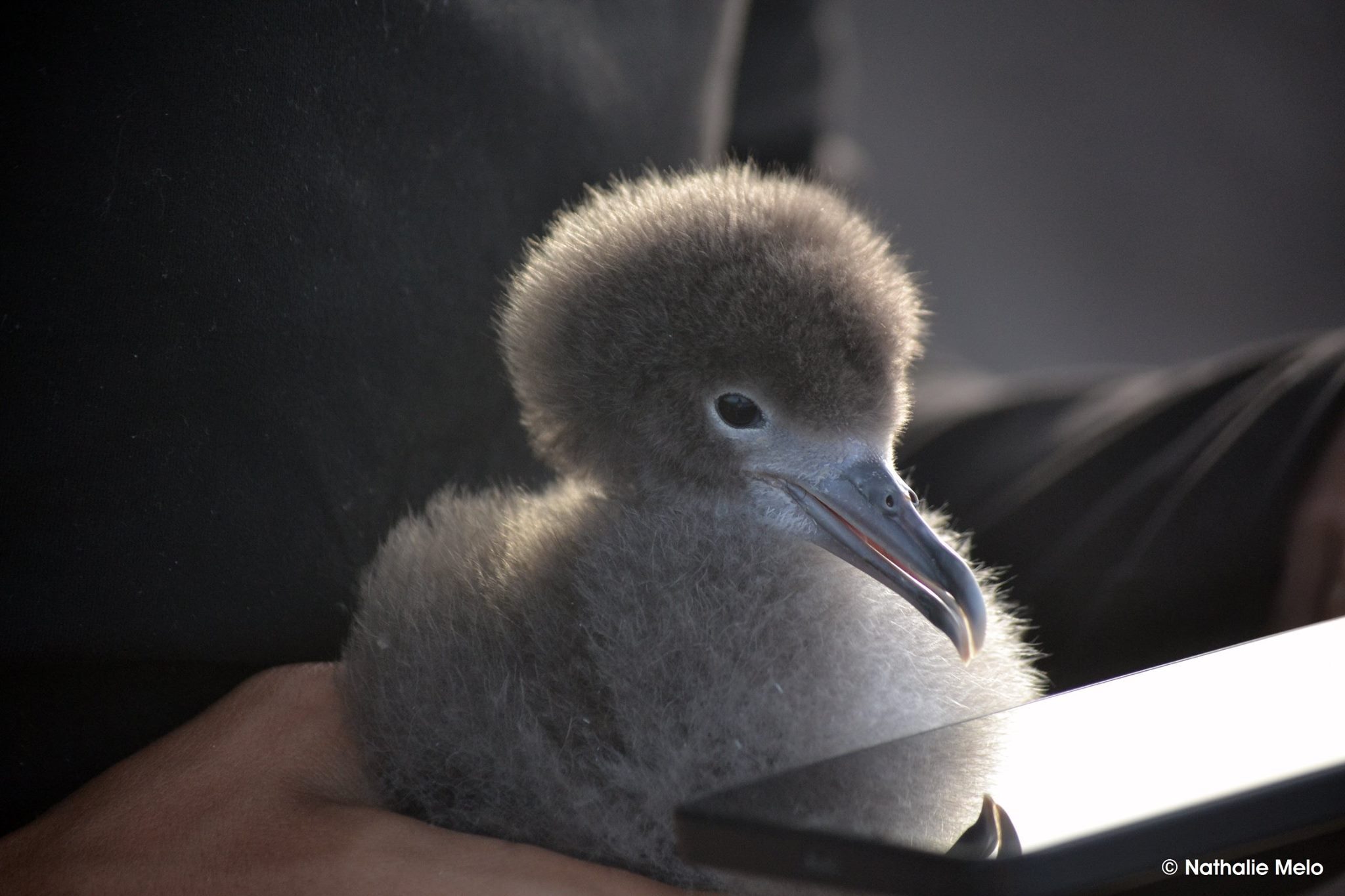
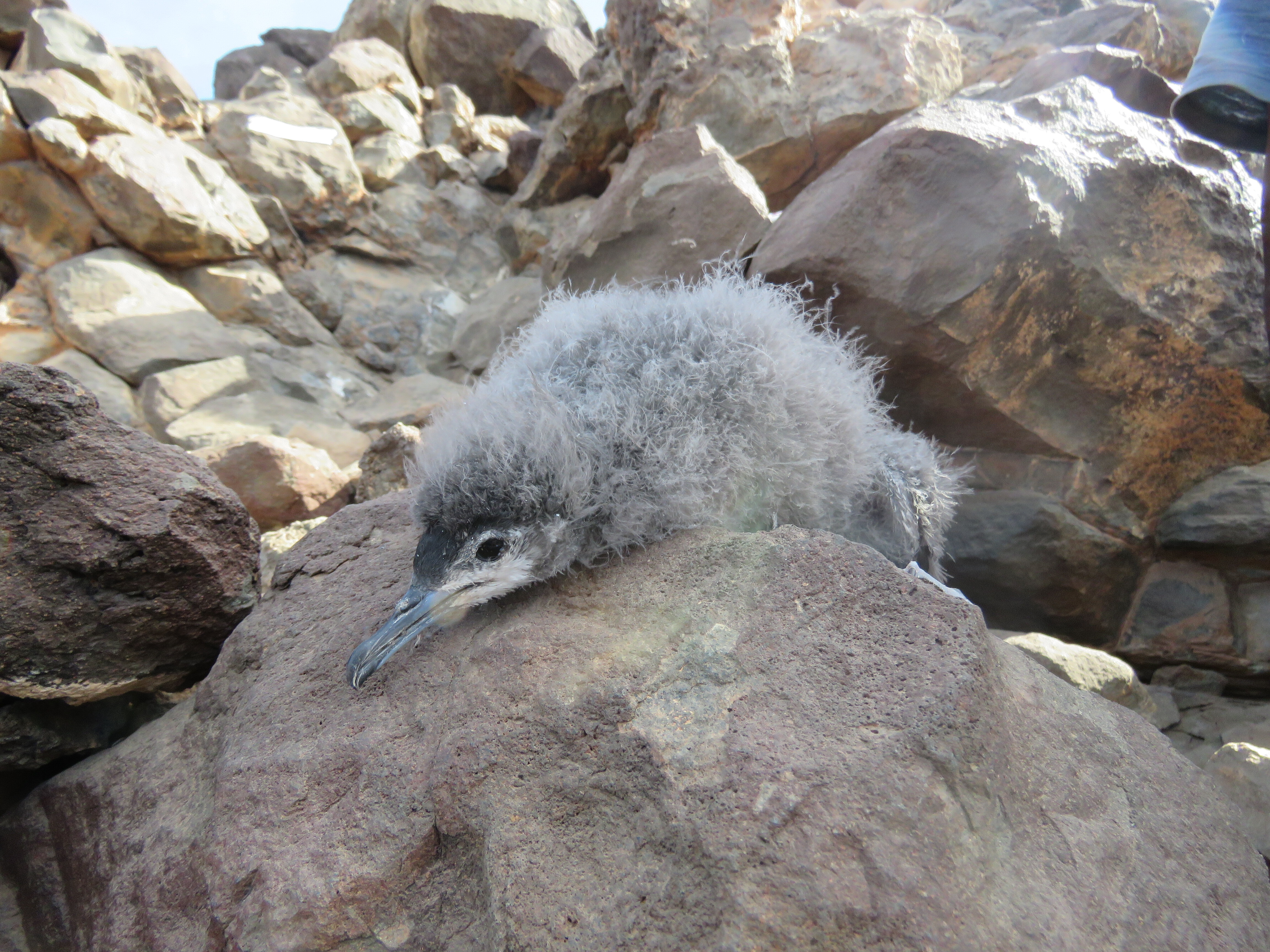
The capture of non-flying juveniles has been identified as one of the main threats to this species. Although the situation appears to be under control in the two largest colonies, thanks to the legal protection of these areas, there are suspicions that capture continues to occur elsewhere (Semedo et al. 2021). The remaining threats on land are common to Procellariiformes species, including predation by introduced mammals or native species and light pollution. At sea, the greatest threat appears to be related to bycatch in fishing gear (Navarro-Herrero et al. 2025).
- Autor
Nuno Oliveira
- Owners/sources of tracking data
Gonzalez-Solis 2010b, Gonzalez-Solis 2010c, Gonzalez-Solis 2015e
Semedo G, Paiva VH, Militão T, Rodrigues IB, Dinis HA, Pereira J, Matos DM, Ceia FR, Almeida N, Geraldes P, Saldanha S, Barbosa N, Hernández-Montero M, Fernandes C, González-Solís J & Ramos JA (2021). Distribution, abundance, and on-land threats to Cabo Verde seabirds. Bird Conservation International 31(1): 53-76. Bibliography:
Robb M, Alfrey P, Alves P, Cardoso H, Crochet PA, Fagerström V, Fernandes P, Nicolau P, Ramalho P & Valkenburg T (2025). Aves de ocorrência rara ou acidental em Portugal. Relatório do Comité Português de Raridades referente ao ano de 2023. Anuário Ornitológico 17: 3-37. Bibliography:
Nunes M & Hazevoet C (2001). Cape Verde's seabirds in trouble. World Birdwatch 23(2): 24-26. Bibliography:
Navarro-Herrero L, March D, Militão T, Saldanha S, Medrano F, Vicente-Sastre D, Ouled-Cheikh J, Ramos R, Matos D, Rodrigues I, Paiva VH, Granadeiro JP, Catry P, Leal A, Dinis HA & González-Solís J (2025). Seabird-vessel interactions in industrial fisheries of Northwest Africa: Implications for international bycatch management. Journal of Applied Ecology 62: 2814–2831. Bibliography:
González-Solís J, Felicísimo A, Fox JW, Afanasyev V, Kolbeinsson Y & Muñoz J (2009). Influence of sea surface winds on shearwater migration detours. Marine Ecology Progress Series 391: 221–230. Bibliography:
dos Santos I, Gonçalves AMM, Carreiro AR, Martins B, Rocha CP, Vieira C, Matos DM, Gutiérrez IB, Rodrigues I, Almeida N, Ramos JA, Paiva VH & Araújo PM (2023). Similar breeding performance despite inter‑annual differences in diet composition of seabirds inhabiting a tropical environment. Marine Ecology Progress Series 725: 95–119. Bibliography:
BirdLife International (2025). IUCN Red List for birds. Downloaded from https://datazone.birdlife.org on 30.11.2025. Bibliography:
Billerman SM, Keeney BL, Kirwan GM, Medrano F, Sly ND & Smith MG (eds.) (2026). Birds of the World. Cornell Laboratory of Ornithology, Ithaca, NY, USA. Data:
Gonzalez-Solis J (2015e). Dataset 1603: Cape Verde Shearwater, Calonectris edwardsii, Geolocator (GLS), Curral Velho, Boa Vista, Cape Verde, 2010–2015. BirdLife International Seabird Tracking Database. Downloaded from https://data.seabirdtracking.org/dataset/1603/ on 30.11.2025. Data:
Gonzalez-Solis J (2010c). Dataset 978: Cape Verde Shearwater, Calonectris edwardsii, Geolocator (GLS), Raso, Raso Islet, Cape Verde, 2006–2010. BirdLife International Seabird Tracking Database. Downloaded from https://data.seabirdtracking.org/dataset/978/ on 30.11.2025. Data:
Gonzalez-Solis J (2010b). Dataset 977: Cape Verde Shearwater, Calonectris edwardsii, Geolocator (GLS), Curral Velho, Boa Vista, Cape Verde, 2006–2010. BirdLife International Seabird Tracking Database. Downloaded from https://data.seabirdtracking.org/dataset/977/ on 30.11.2025. Glossary:
A group of marine molluscs that includes squids, cuttlefish and octopuses. Glossary:
Alteration of natural night-time light levels due to artificial lighting. Glossary:
Equipment used to catch marine animals, such as nets, longlines or traps. Glossary:
The direction of change in the size of a population over time (increase, decline or stability). Glossary:
A concept defined under the Marine Strategy Framework Directive (MSFD), referring to the condition of the elements of the marine environment, including birds. It aims to assess whether ecosystems are healthy, balanced and capable of supporting ecological functions and human uses in a sustainable manner. The ultimate goal is for the components and ecosystems to achieve Good Environmental Status. Glossary:
Refers to the unintentional capture of marine species during fishing. Animals may become entangled in hooks or fishing nets. It is usually associated with commercial fishing, but can also occur in recreational fishing. Bycatch is one of the main threats to seabirds at sea. Glossary:
Under the United Nations Convention on the Law of the Sea, coastal states are entitled to declare an EEZ comprising maritime area beyond their territorial waters. The national EEZ is delimited by an imaginary line situated 200 nautical miles from the coast, separating national waters from international or shared waters. Within its EEZ, each state has rights such as the exploitation of marine resources, the conduct of scientific research and the regulation of fishing by foreign vessels. Glossary:
The area or environment where organisms that do not depend on the seafloor normally live. It is the typical ecological environment of open ocean waters. The pelagic ecosystem does not include only the open sea; it also comprises the waters covering the continental shelf. The pelagic zone begins below the influence of tides and extends into the open ocean, at depths ranging from a few tens of metres to approximately 6,000 metres, and is divided into different layers. Glossary:
A small device attached to birds to study their large-scale movements (usually migration), which works by recording light intensity (from which the duration of night and the local midday time are estimated, and consequently the latitude and longitude on each day). Glossary:
A term generally applied to a species introduced deliberately or accidentally into a specific location or region outside its original range. Depending on its adaptation to the new environment, an introduced species may or may not become naturalised and proliferate.