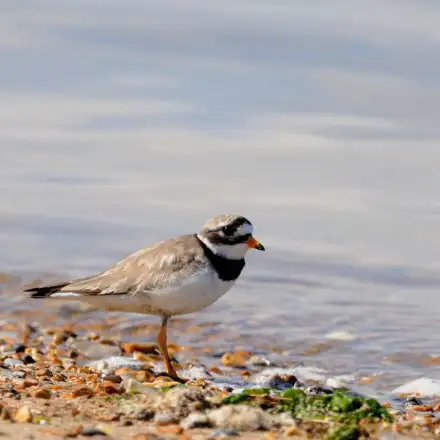
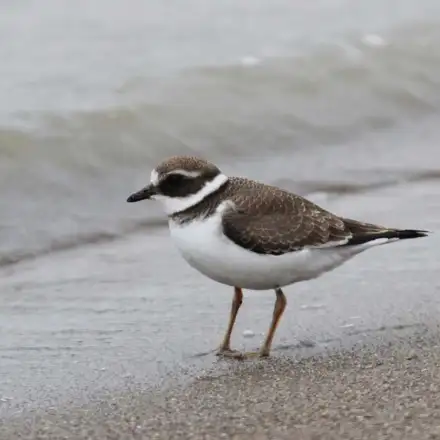
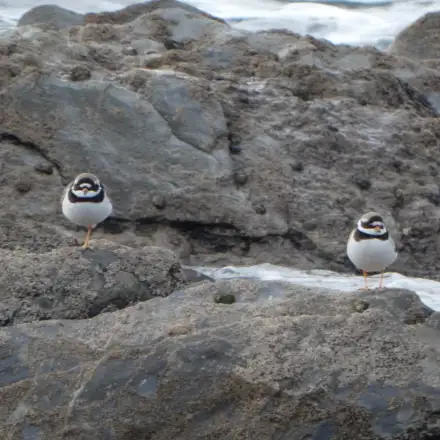
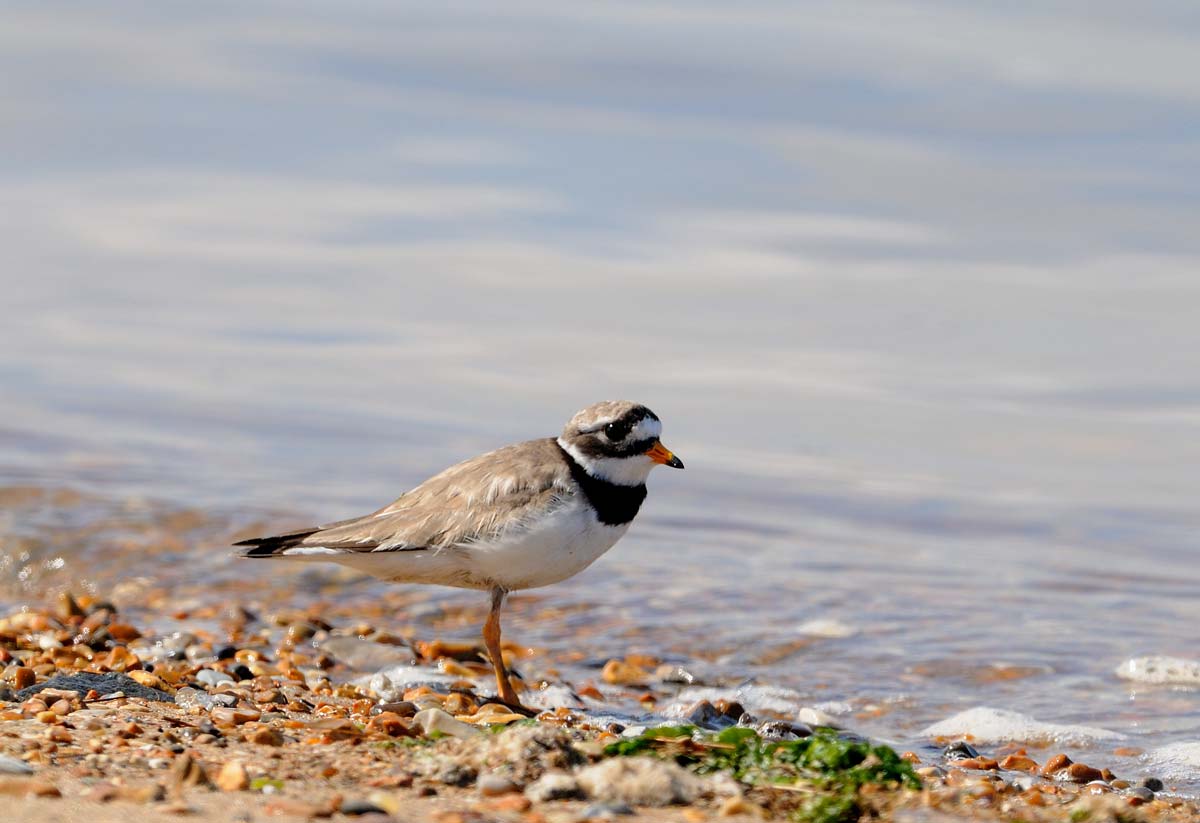
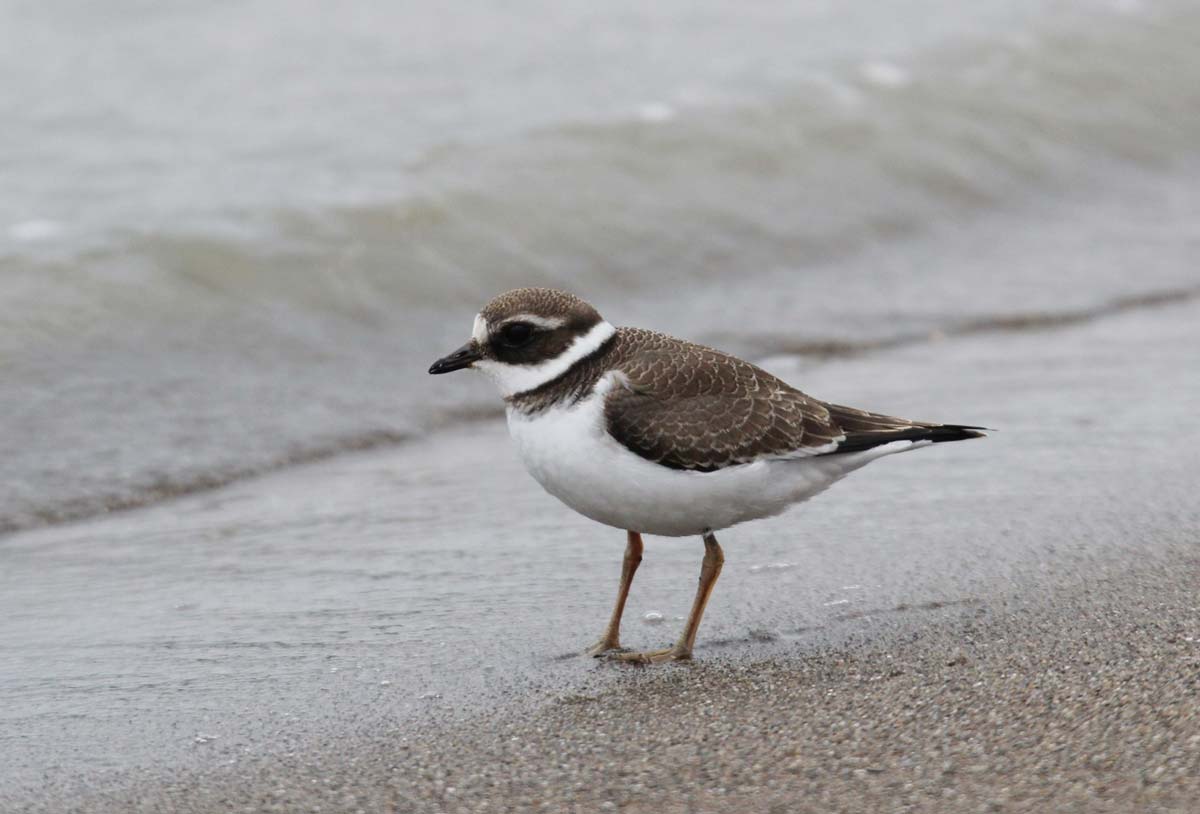
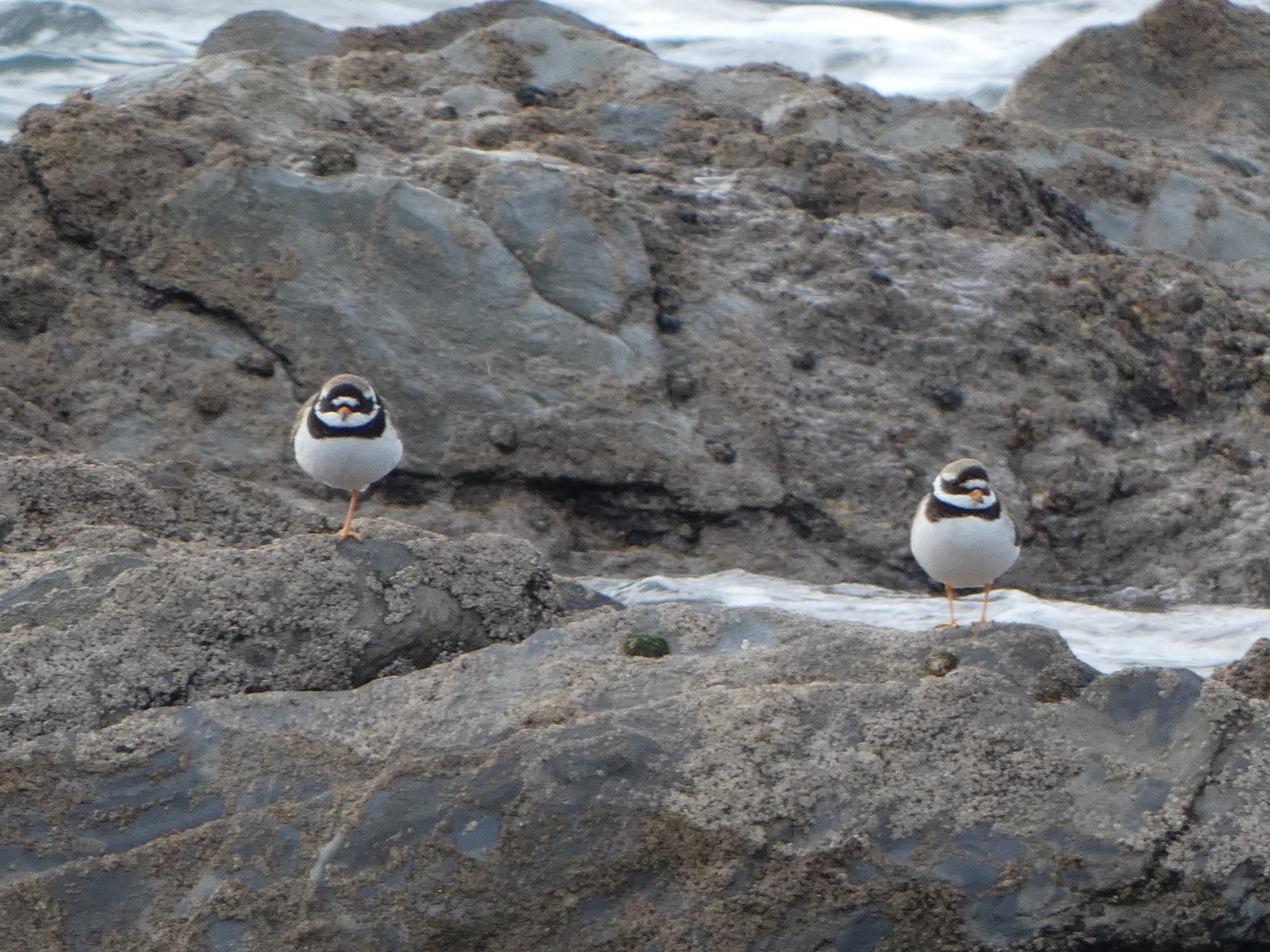
Common Ringed Plover
Scientific name: Charadrius hiaticula
Family charadriidae
Phenology
- Mainland
- Wintering and passage migrant
- Madeira
- Wintering and passage migrant
- Azores
- Wintering and passage migrant
Conservation status
Learn more- Mainland
- Madeira
- Azores
- IUCN Global
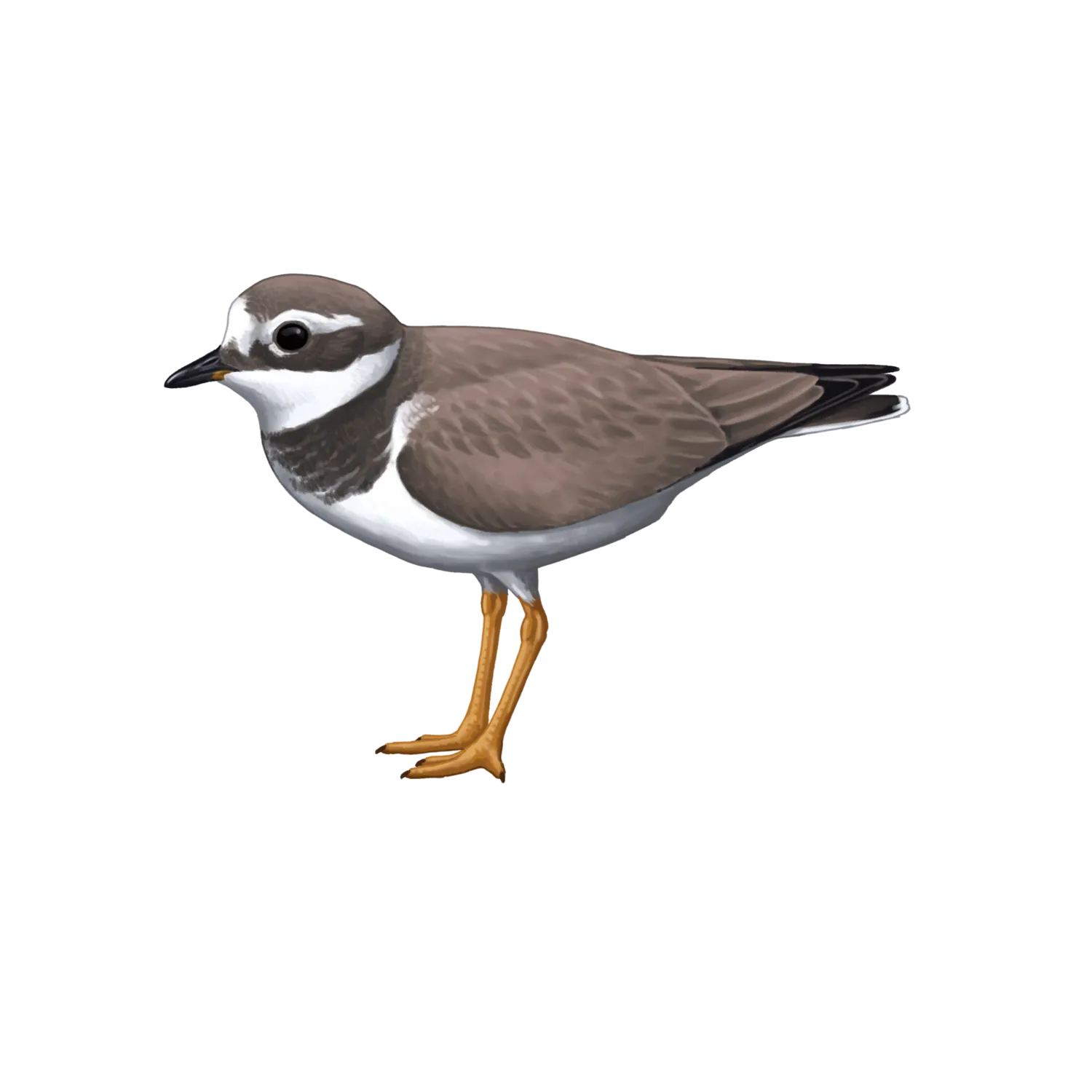
Data
Maps
Arenaria | Winter
Scale
Minimum value:
Maximum value:
Scale
Minimum value:
Maximum value:
Scale
Minimum value:
Maximum value:
Scale
Minimum value:>
Maximum value:<
Scale
Minimum value:
Maximum value:
Scale
Minimum value:>
Maximum value:>
Distribution based on seabird tracking data (locations/hexagone).
Colony(ies) of origin:
Device:
Data period / number of individuals:
Data period / number of individuals:
Distribution of seabird breeding colonies or sites (number of breeding pairs).
Distribution based on marine censuses (probability of occurrence).
Observed density based on marine censuses (birds/ km2).
Confirmed occurence during marines censuses.
Abundance of waders derived from Project Arenaria coastal surveys (birds/square).
Passage rates derived from RAM coastal surveys (birds/hour).
No data available for the selected period.
Presentation
Distribution, movements and phenology
The Common Ringed Plover breeds predominantly from the Arctic (from North-eastern Canada eastwards to Eastern Siberia) to the temperate regions of Western Europe, between late March and August (Delany et al. 2009). In Portugal, birds are found originating from most breeding areas, notably Canada (Léandri-Breton et al. 2019), Iceland (Thorisson et al. 2012), Norway (Lislevand et al. 2017) and Western Europe (Taylor 1980). During the migratory passages, birds that winter mainly in Africa predominate, although a proportion of individuals remain in Portugal throughout the winter, notably those that breed in Western Europe (Catry et al. 2010a) and Iceland (Fletcher 2022). Passages are pronounced during summer and early autumn, being less evident in spring (Catry et al. 2010a). In Mainland Portugal, the Common Ringed Plover is most common in estuarine areas and coastal lagoons, but also occurs along the entire coastline. In the Azores and Madeira, it occurs mainly along the coastlines of all the islands, associated with beaches, natural pools and artificial structures such as harbours and marinas, and may also be observed in inland grasslands.
Abundance and population trends
The global population has been estimated at between 480,000 and 600,000 individuals, with a stable trend (Wetlands International 2025). In January, the population present in Mainland Portugal is around 3,500 individuals, of which about 300 are found on the sandy and rocky beaches of the coast (Lecoq et al. 2013). Population trends in this region are not very clear and may be related to local effects. Whilst, for example, the Sado estuary shows a decline in the number of individuals occurring there (Belo et al. 2023), the opposite has been observed in the Tagus estuary (Lourenço et al. 2018) and along the non-estuarine coast (Lecoq et al. 2013). Despite these discrepancies, the Mainland population has generally achieved Good Environmental Status. In the Azores, although information on abundance and population trends is scarce, this population also appears to have achieved Good Environmental Status, unlike the situation observed in Madeira.
Ecology and habitat
Common Ringed Plovers are found mainly in the large coastal wetlands of Mainland Portugal. They prefer areas with sandy sediments, although they also use mudflats (Moreira 1993; Granadeiro et al. 2004). On the non-estuarine Mainland coast (Lourenço et al. 2013) and on the islands, they are mainly associated with rocky substrates. The diet consists of small invertebrates (Billerman et al. 2026), with polychaetes and insects associated with marine or coastal habitats being of particular importance to the birds found in Portugal (Pedro & Ramos 2009; Rocha et al. 2017).
Threats and conservation
Globally, pollution and land-use change are the main threats to feeding and roosting sites during migration and wintering (BirdLife International 2025). In Portugal, no specific threats are known, although disturbance at feeding and roosting sites may potentially have some negative impact on the wintering population.
- Autor
Nuno Oliveira
Wetlands International (2025). Waterbird Population Estimates. Downloaded from http://wpe.wetlands.org on 30.11.2025. Bibliography:
Thorisson B, Eyjólfsson V, Gardarsson A, Albertsdóttir HB & Gunnarsson TG (2012). The non-breeding distribution of Icelandic Common Ringed Plovers. Wader Study Group Bulletin 119(2): 97–101. Bibliography:
Taylor RC (1980). Migration of the Ringed Plover Charadrius hiaticula. Ornis Scandinavica 11: 30-42. Bibliography:
Rocha AR, Ramos JA, Paredes T & Masero JA (2017). Coastal saltpans as foraging grounds for migrating shorebirds: an experimentally drained fish pond in Portugal. Hydrobiologia 790(1): 141-155. Bibliography:
Pedro P & Ramos J (2009). Diet and prey selection of shorebirds on salt pans in the Mondego estuary, western Portugal. Ardeola 56(1): 1-11. Bibliography:
Moreira F (1993). Macrohabitat selection by waders in the Tagus estuary (Portugal). Portugaliae Zoologica 2: 1-15 Bibliography:
Lourenço PM, Catry P, Lecoq M, Ramírez I & Granadeiro JP (2013). Role of disturbance, geology and other environmental factors in determining abundance and diversity in coastal avian communities during winter. Marine Ecology Progress Series 479: 223-234. Bibliography:
Lourenço PM, Alonso H, Alves JA, Carvalho AT, Catry T, Costa H, Costa JS, Dias MP, Encarnação V, Fernandes P, Leal AI, Martins RC, Moniz F, Pardal S, Rocha A & Santos CD (2018). Monitoring waterbird populations in the Tejo estuary, Portugal: report for the decade 2007-2016. Airo 25: 3-3. Bibliography:
Lislevand T, Briedis M, Heggøy O & Hahn S (2017). Seasonal migration strategies of common ringed plovers Charadrius hiaticula. Ibis 159(1): 225-229. Bibliography:
Lecoq M, Lourenço PM, Catry P, Andrade J & Granadeiro JP (2013). Wintering waders on the Portuguese mainland non-estuarine coast: results of the 2009-2011 survey. Wader Study Group Bulletin 120: 66-70. Bibliography:
Léandri-Breton DJ, Lamarre JF & Bêty J (2019). Seasonal variation in migration strategies used to cross ecological barriers in a nearctic migrant wintering in Africa. Journal of Avian Biology 50(6). Bibliography:
Granadeiro JP, Andrade J & Palmeirim JM (2004). Modeling the distribution of shorebirds in estuarine areas using generalised additive models. Journal of Sea Research 52: 227-240. Bibliography:
Fletcher (2022). Exploring the migration and reproduction of Common Ringed Plovers (Charadrius hiaticula) breeding in Iceland. Master thesis. University of Akureyri and University Centre of the Westfjords. Master of Resource Management: Coastal and Marine Management. Bibliography:
Delany S, Dodman T, Stroud D & Scott D (2009). An atlas of wader population in Africa and western Eurasia. Wetlands International, Wageningen. Bibliography:
BirdLife International (2025). IUCN Red List for birds. Downloaded from https://datazone.birdlife.org on 30.11.2025. Bibliography:
Billerman SM, Keeney BL, Kirwan GM, Medrano F, Sly ND & Smith MG (eds.) (2026). Birds of the World. Cornell Laboratory of Ornithology, Ithaca, NY, USA. Bibliography:
Belo JR, Dias MP, Jara J, Almeida A, Morais F, Silva C, Valadeiro J & Alves JA (2023). Synchronous declines of wintering waders and high-tide roost area in a temperate estuary: Results of a 10-year monitoring programme. Waterbirds 45(2): 141-149. Bibliography:
Catry P, Costa H, Elias G & Matias R (2010a). Aves de Portugal, Ornitologia do Território Continental. Assírio e Alvim, Lisboa Glossary:
The direction of change in the size of a population over time (increase, decline or stability). Glossary:
A concept defined under the Marine Strategy Framework Directive (MSFD), referring to the condition of the elements of the marine environment, including birds. It aims to assess whether ecosystems are healthy, balanced and capable of supporting ecological functions and human uses in a sustainable manner. The ultimate goal is for the components and ecosystems to achieve Good Environmental Status. Glossary:
Annelid worms belonging to the class Polychaeta. Glossary:
A period generally corresponding to the winter months, which may include part of autumn.