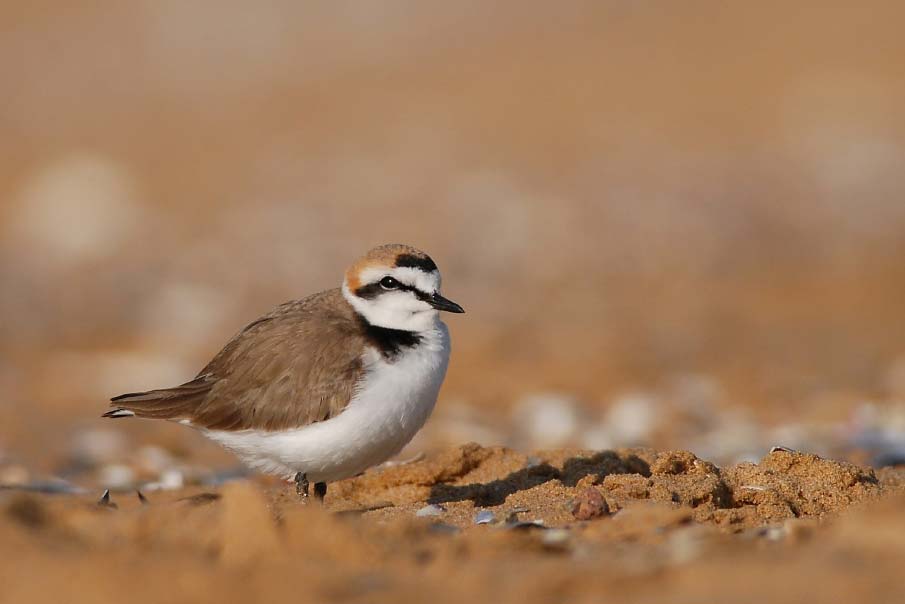
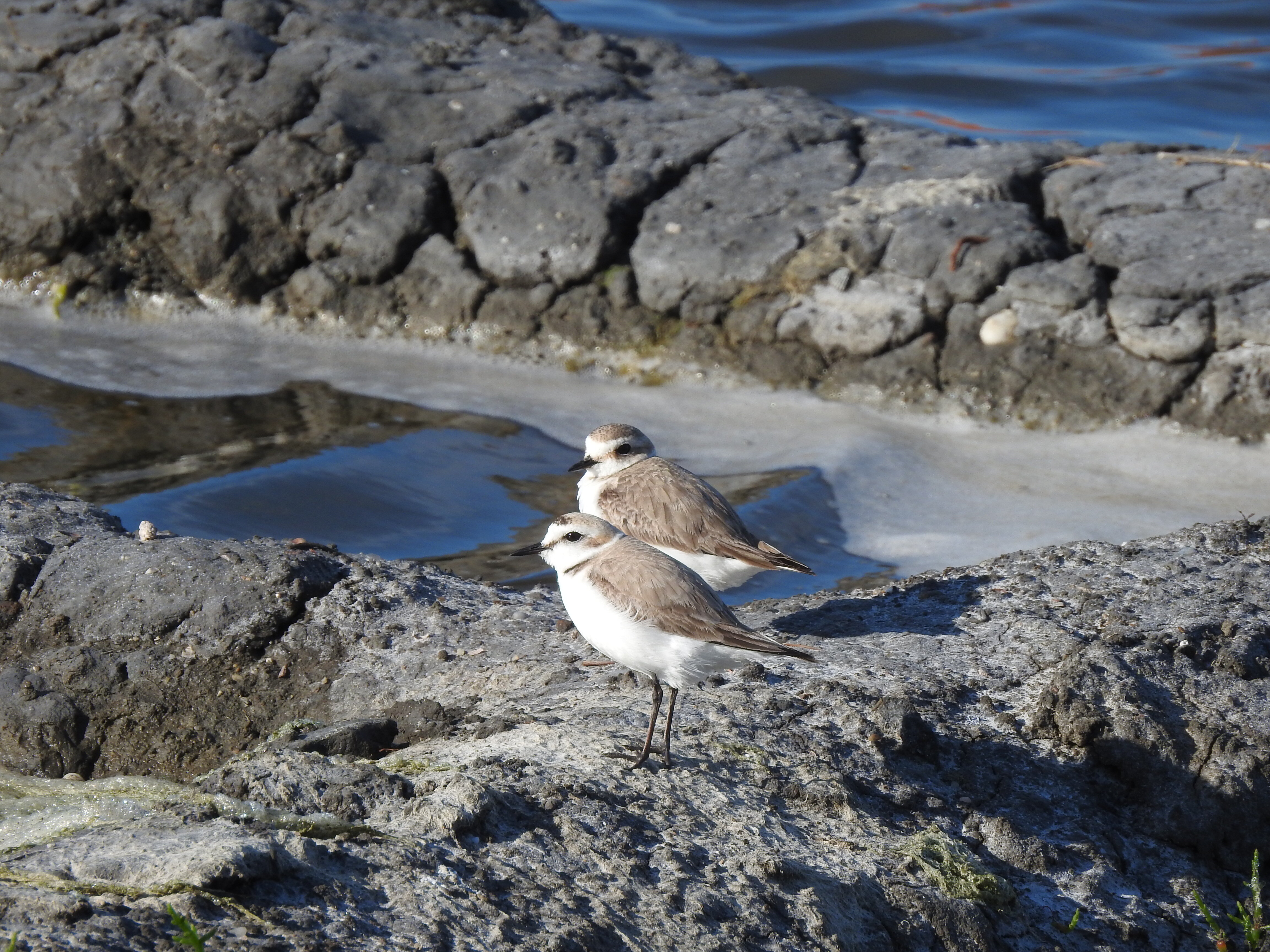
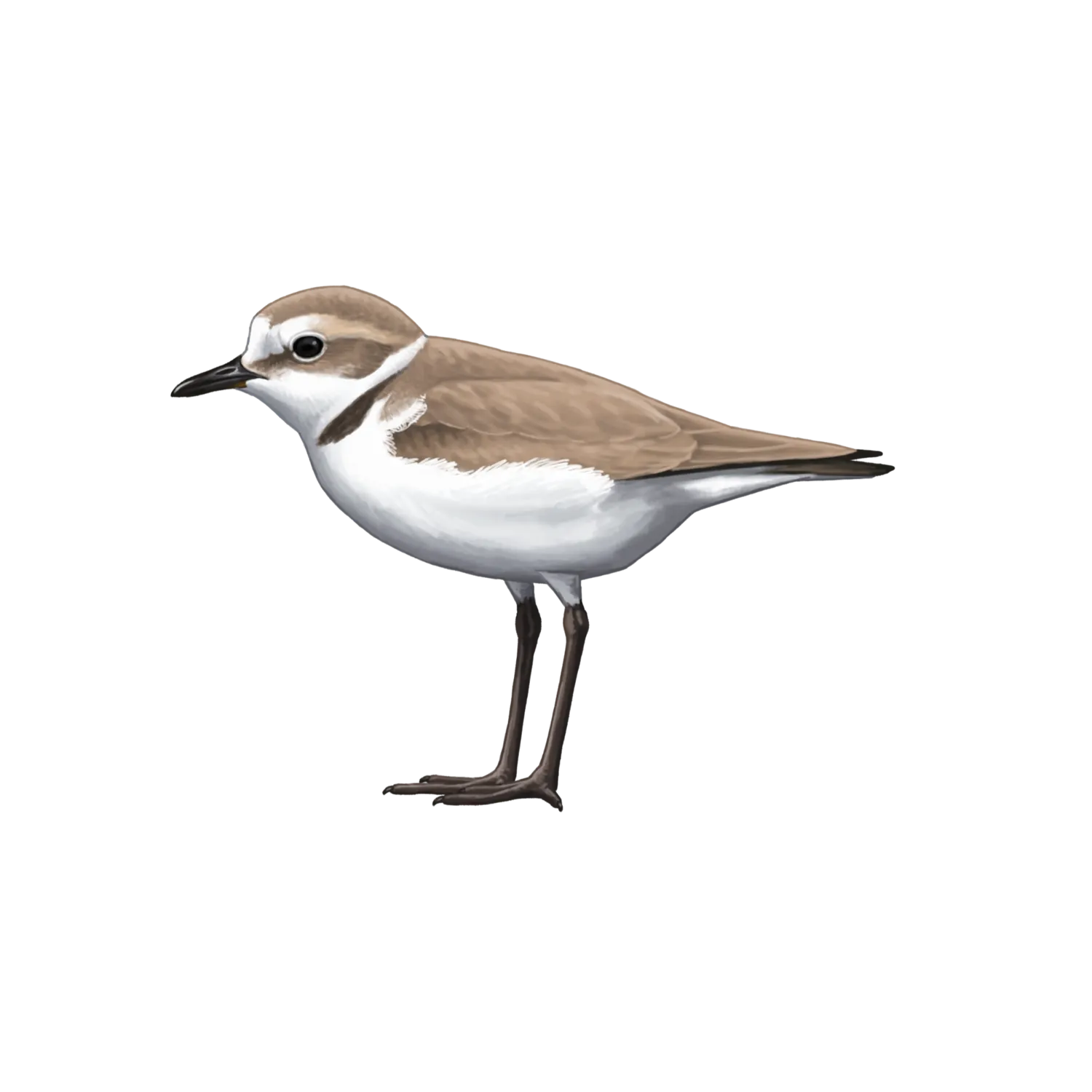
Kentish Plover
Scientific name: Charadrius alexandrinus
Family charadriidae
Phenology
- Mainland
- Resident, summering, wintering and passage migrant
- Madeira
- Resident, wintering and passage migrant
- Azores
- Resident, wintering and passage migrant
Conservation status
Learn more- Mainland
- Breeding population Wintering population
- Madeira
- Azores
- IUCN Global
Data
Maps
Arenaria | Winter
Scale
Minimum value:
Maximum value:
Scale
Minimum value:
Maximum value:
Scale
Minimum value:
Maximum value:
Scale
Minimum value:>
Maximum value:<
Scale
Minimum value:
Maximum value:
Scale
Minimum value:>
Maximum value:>
Distribution based on seabird tracking data (locations/hexagone).
Colony(ies) of origin:
Device:
Data period / number of individuals:
Data period / number of individuals:
Distribution of seabird breeding colonies or sites (number of breeding pairs).
Distribution based on marine censuses (probability of occurrence).
Observed density based on marine censuses (birds/ km2).
Confirmed occurence during marines censuses.
Abundance of waders derived from Project Arenaria coastal surveys (birds/square).
Passage rates derived from RAM coastal surveys (birds/hour).
No data available for the selected period.
Presentation
Distribution, movements and phenology
The Kentish Plover has a cosmopolitan distribution, breeding on every continent except Oceania. In the Palearctic, it occupies mid- and low-latitudes (Delany et al. 2009), including Mainland Portugal and some islands in the Azores and Madeira archipelagos (Equipa Atlas 2022). It occurs along almost the entire coastline, being most common on wide beaches, sandy islands, estuaries, salt pans, lagoons and rice paddies, and less frequent inland. On the island of Santa Maria (Azores), it occupies diverse habitats, including sparse grasslands and the airport runways (Rocha 2022). Despite the largely sedentary nature of the breeding population, a small proportion is migratory, undertaking movements on an Iberian scale (Cimiotti et al. 2024) or over longer distances, wintering from Mauritania to Senegal. During the non-breeding season, Portugal serves as a stopover site (late summer and early autumn) for migrants from higher latitudes, also hosting wintering populations from the European coastline, ranging from northern Germany to Galicia.
Abundance and population trends
The global population has been estimated at between 324,000 and 468,000 individuals (Wetlands International 2025), with a declining trend (BirdLife International 2025).
The breeding population in Portugal, estimated at 1,028 to 1,135 pairs in 2021, has suffered a sharp decline of 46% over 19 years. The species is most abundant on the central coast and in the Algarve (Ria de Aveiro, Ria Formosa and Castro Marim), with significant breeding populations remaining in Esposende, the Tagus estuary and on the island of Santa Maria (Rocha 2022). The wintering population, once numbering between 3,000 and 4,000 individuals (Catry et al. 2010a), is currently estimated at fewer than 2,500 individuals (Lopes et al. 2022), concentrated mainly in the Tagus estuary, the Ria Formosa and Castro Marim. On the non-estuarine marine coast, which hosts 17% of the total (Lecoq et al. 2013), a moderate decline has been recorded on the Mainland and islands (Fagundes & Catry 2022), a trend also observed in estuarine areas (Lopes et al. 2022). These negative trends are consistent with the results of the environmental assessment, showing that none of the three regions has achieved Good Environmental Status for the abundance indicator.
Ecology and habitat
The species occurs in salt pans, estuaries and beaches with dune systems, avoiding areas with greater human disturbance (Lourenço et al. 2013; Rocha 2022). Estuaries are important feeding grounds, supporting birds that nest on beaches. The diet varies with the habitat: in salt pans, dipteran larvae (Chironomidae and Ephydridae) predominate (Pedro & Ramos 2009); on beaches, crustaceans and insects caught at the water’s edge or amongst debris; in estuaries, the gastropod Hydrobia ulvae, annelids and small fish (Trigo 2007).
Threats and conservation
European populations have benefited from conservation projects (release of captive-bred birds, habitat management and nest protection) that are driving the species’ recovery. However, in Portugal, the species remains vulnerable to human pressure. The 2021 census identified disturbance by beachgoers and fishers as the main threat on Mainland beaches, followed by habitat degradation (mechanical cleaning, coastal erosion and the abandonment of salt pans). Low productivity also results from flooding and predation of clutches by dogs and foxes on beaches, by corvids and foxes in salt pans, and from trampling by livestock on the island of Santa Maria (Norte & Ramos 2004; Rocha et al. 2016; Rocha 2022).
- Autor
Afonso Rocha
Wetlands International (2025). Waterbird Population Estimates. Downloaded from http://wpe.wetlands.org on 30.11.2025. Bibliography:
Trigo S (2007). Ecologia alimentar e de reprodução de Borrelho-de-coleira-interrompida, Charadrius alexandrinus, na faixa costeira da Ria de Aveiro. Tese de Mestrado em Ecologia.Universidade de Coimbra. Bibliography:
Rocha AD, Fonseca D, Masero JA & Ramos JA (2016). Coastal saltpans are a good alternative breeding habitat for Kentish plover Charadrius alexandrinus when umbrella species are present. Journal of Avian Biology 47: 824-833. Bibliography:
Rocha AD (2022). Censo Nacional do Borrelho-de-coleira-interrompida, 2021. In Alonso H, Andrade J, Teodósio J & Lopes A (coord.). O estado das aves em Portugal, 2022. 2ª edição. Sociedade Portuguesa para o Estudo das Aves, Lisboa. Bibliography:
Pedro P & Ramos J (2009). Diet and prey selection of shorebirds on salt pans in the Mondego estuary, western Portugal. Ardeola 56(1): 1-11. Bibliography:
Norte AC & Ramos JA (2004). Nest-site selection and breeding biology of Kentish plover Charadrius alexandrinus on sandy beaches of the Portuguese west coast. Ardeola 51: 255-268. Bibliography:
Lourenço PM, Catry P, Lecoq M, Ramírez I & Granadeiro JP (2013). Role of disturbance, geology and other environmental factors in determining abundance and diversity in coastal avian communities during winter. Marine Ecology Progress Series 479: 223-234. Bibliography:
Lopes CS, Laranjeiro MI, Lavers JL, Finger A & Provencher J (2022). Seabirds as indicators of metal and plastic pollution. In Ramos JA & Pereira L (eds.). Seabird Biodiversity and Human Activities. CRC Press: 168-187. Bibliography:
Lecoq M, Lourenço PM, Catry P, Andrade J & Granadeiro JP (2013). Wintering waders on the Portuguese mainland non-estuarine coast: results of the 2009-2011 survey. Wader Study Group Bulletin 120: 66-70. Bibliography:
Fagundes AI & Catry P (2022). Projeto Arenaria, 2009–2022. In Alonso H, Andrade J, Teodósio J & Lopes A (coords.). O estado das aves em Portugal, 2022 (2nd ed.). Sociedade Portuguesa para o Estudo das Aves. Bibliography:
Equipa Atlas (2022). III Atlas das Aves Nidificantes de Portugal (2016-2021). SPEA, ICNF, LabOr/UÉ, IFCN. Portugal. Bibliography:
Delany S, Dodman T, Stroud D & Scott D (2009). An atlas of wader population in Africa and western Eurasia. Wetlands International, Wageningen. Bibliography:
Cimiotti DV, Eberhart-Hertel L, Audevard A, Garcias Salas PJ, Gelinaud, G, Günther K, Rocha AD, Schulz R, van der Winden J, Schmaljohann H, & Küpper C (2024). Dispersal in Kentish Plovers (Charadrius alexandrinus): adult females perform furthest movements. Journal of Ornithology 165: 301–314. Bibliography:
BirdLife International (2025). IUCN Red List for birds. Downloaded from https://datazone.birdlife.org on 30.11.2025. Bibliography:
Catry P, Costa H, Elias G & Matias R (2010a). Aves de Portugal, Ornitologia do Território Continental. Assírio e Alvim, Lisboa Glossary:
A group of marine arthropods that are important in the marine food chain. Glossary:
A species or parameter that reflects the state of an ecosystem or environmental changes. Glossary:
The direction of change in the size of a population over time (increase, decline or stability). Glossary:
A measure of a population’s breeding success, generally expressed as the average number of chicks produced per pair. Glossary:
A concept defined under the Marine Strategy Framework Directive (MSFD), referring to the condition of the elements of the marine environment, including birds. It aims to assess whether ecosystems are healthy, balanced and capable of supporting ecological functions and human uses in a sustainable manner. The ultimate goal is for the components and ecosystems to achieve Good Environmental Status.