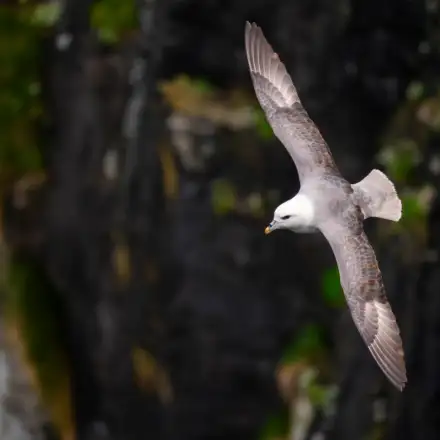
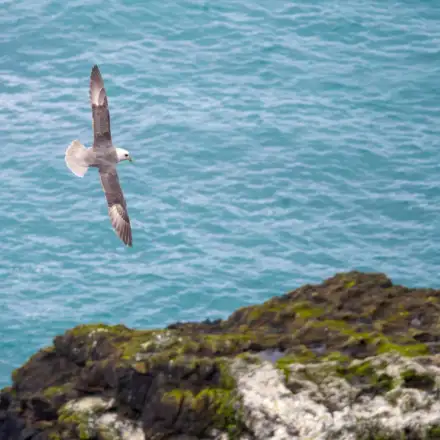
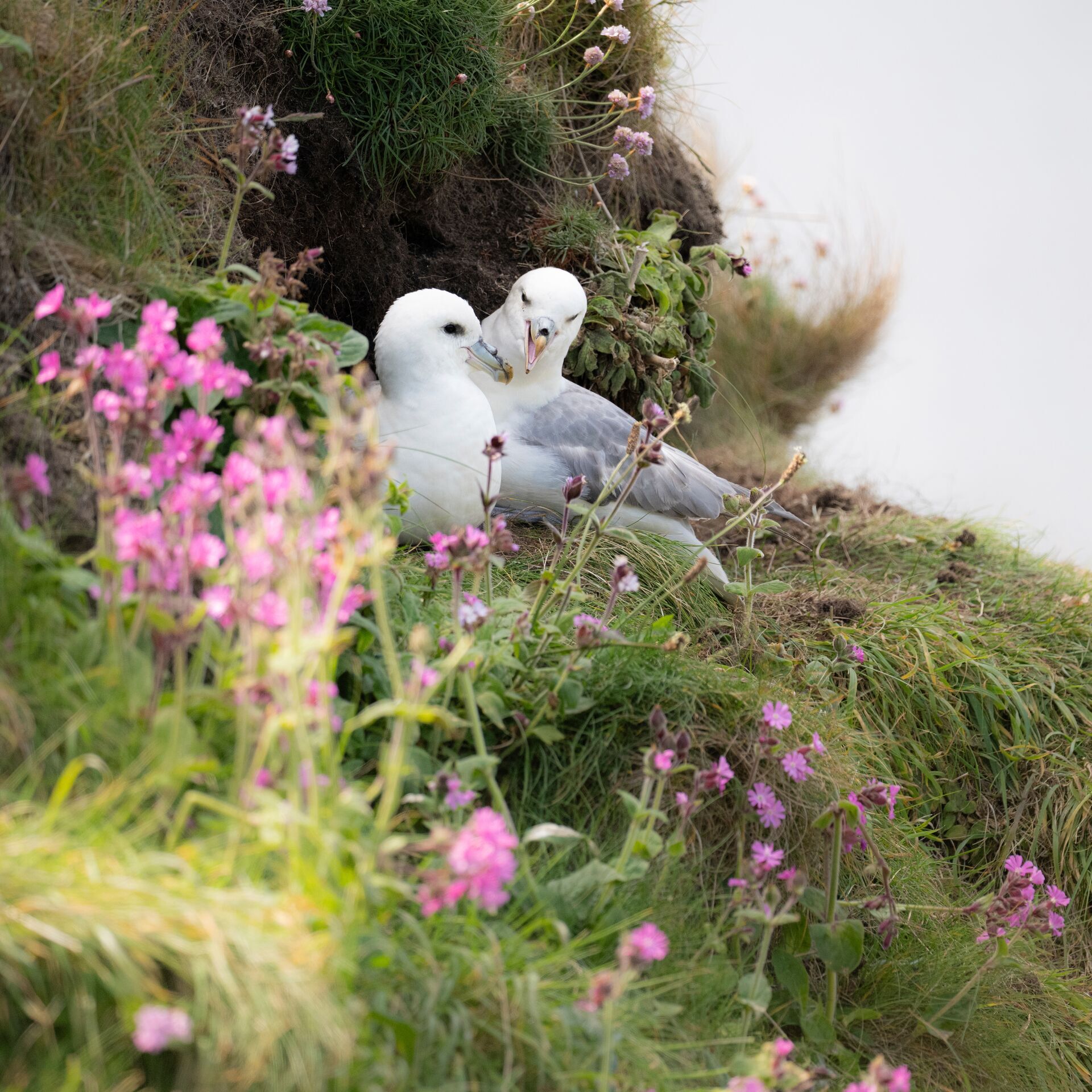
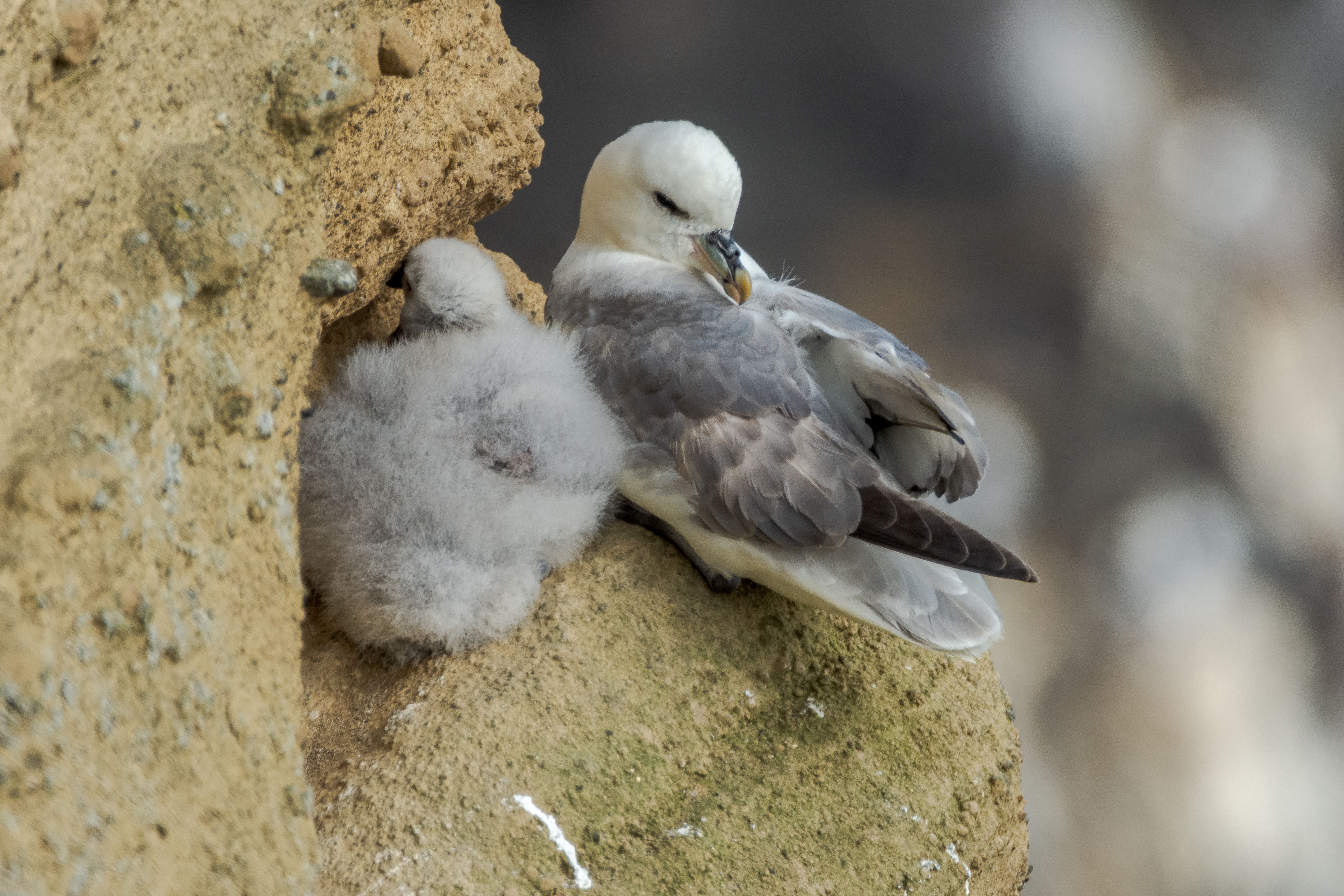
Northern Fulmar
Scientific name: Fulmarus glacialis
Family procellariidae
Phenology
- Mainland
- Vagrant
- Madeira
- Vagrant
- Azores
- Vagrant
Conservation status
Learn more- Mainland
- Madeira
- Azores
- IUCN Global
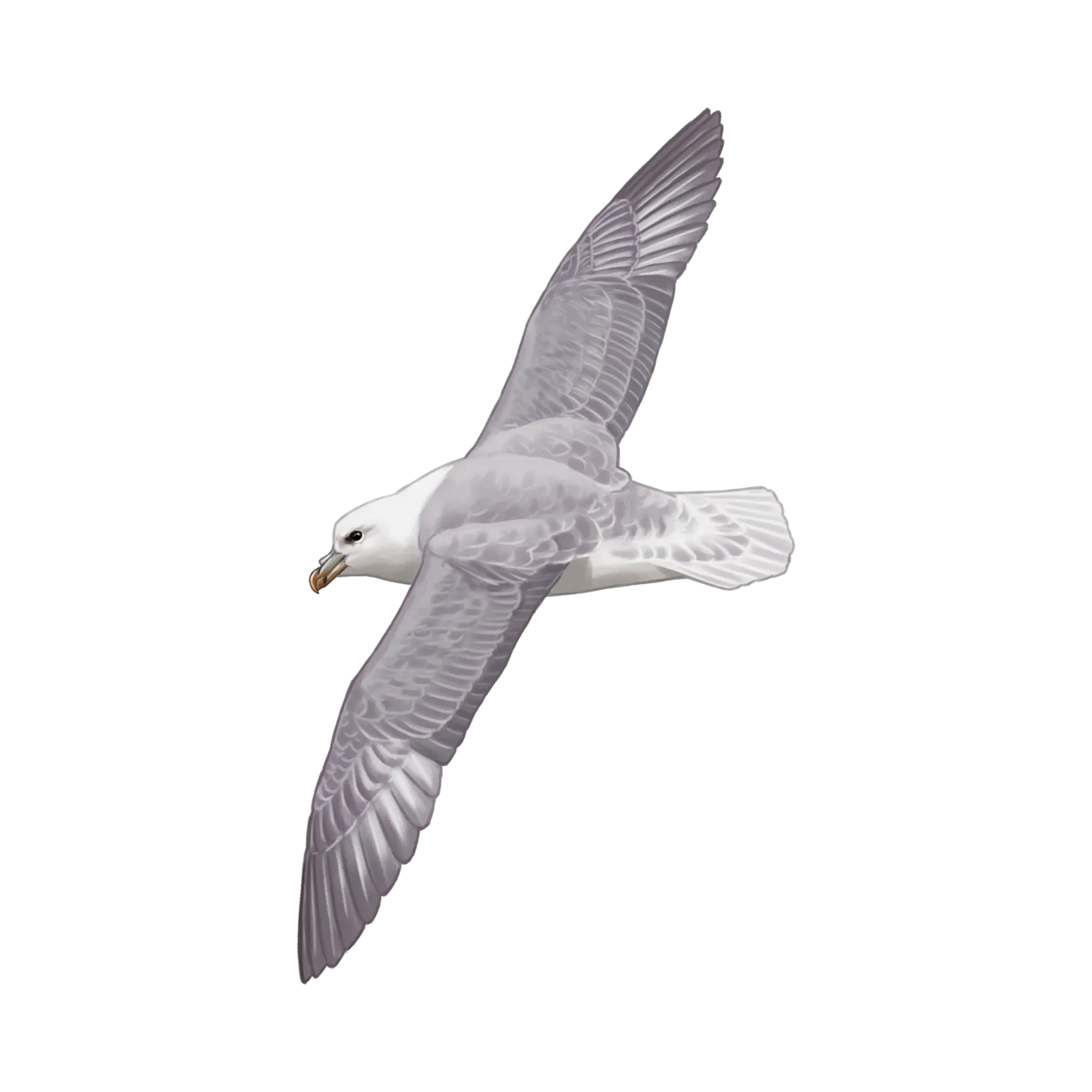
Maps
Distribution | Breeding
Scale
Minimum value:
Maximum value:
Scale
Minimum value:
Maximum value:
Scale
Minimum value:
Maximum value:
Scale
Minimum value:>
Maximum value:<
Scale
Minimum value:
Maximum value:
Scale
Minimum value:>
Maximum value:>
Distribution based on seabird tracking data (locations/hexagone).
Colony(ies) of origin:
Device:
Data period / number of individuals:
Data period / number of individuals:
Distribution of seabird breeding colonies or sites (number of breeding pairs).
Distribution based on marine censuses (probability of occurrence).
Observed density based on marine censuses (birds/ km2).
Confirmed occurence during marines censuses.
Abundance of waders derived from Project Arenaria coastal surveys (birds/square).
Passage rates derived from RAM coastal surveys (birds/hour).
No data available for the selected period.
Presentation
Distribution, movements and phenology
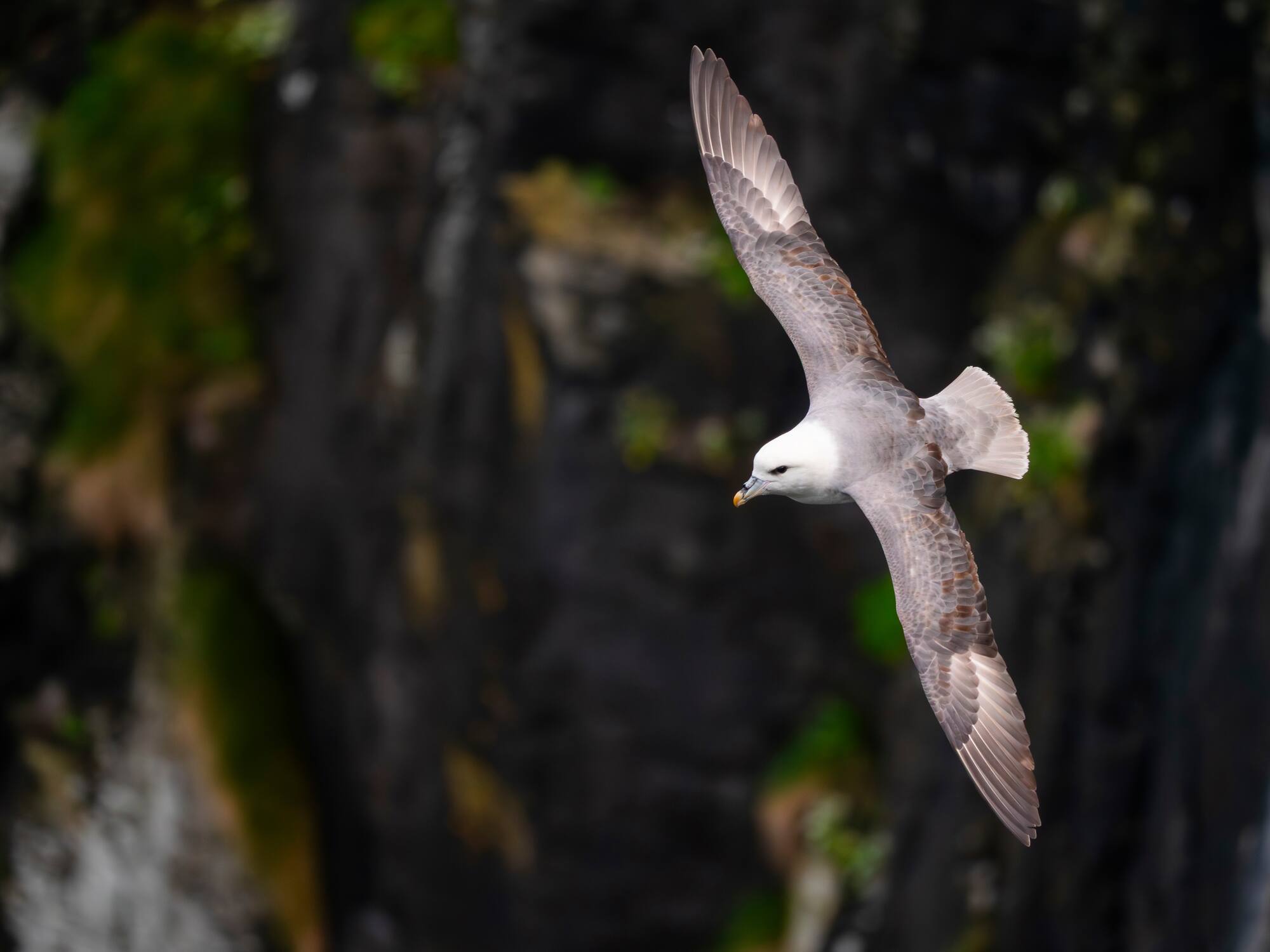
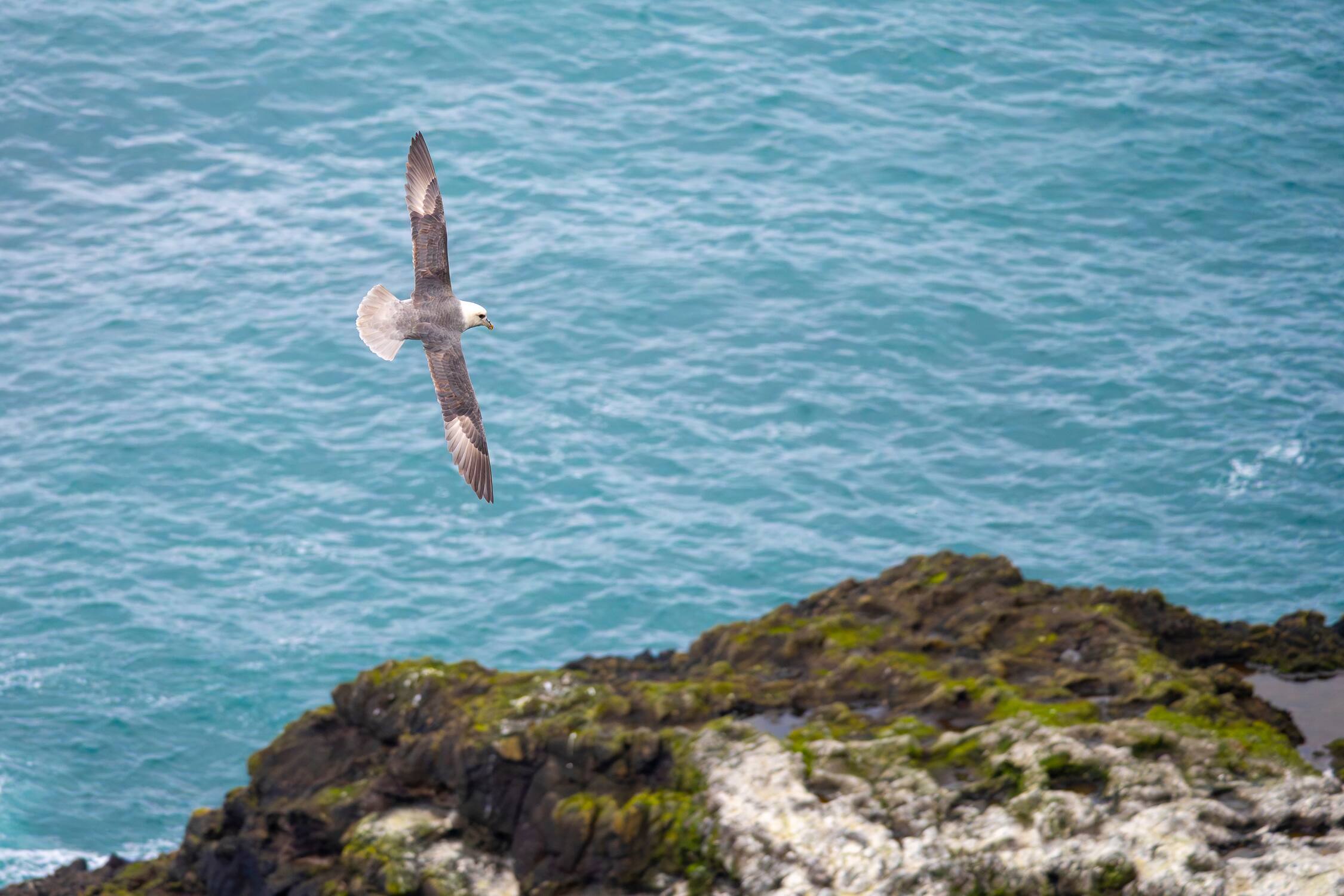
The Northern Fulmar breeds between March and August across vast areas of the North Atlantic and North Pacific, from Japan and the United Kingdom to the High Arctic. The northern populations are migratory, moving southwards as the sea freezes. The more southerly populations, however, tend to be more dispersive, but rarely reach warm-water areas (Billerman et al. 2026). Records in Portuguese waters are rare and mostly occasional in any of the three regions (Correia-Fagundes et al. 2021; Birding Azores 2022; Robb et al. 2025). These observations are usually of solitary birds occurring during winter or following severe storms, during which some dead or weakened birds are found on beaches (Costa et al. 2020).
Based on data from 34 birds fitted with GLS between 2007 and 2021 in colonies on the Faroe Islands, Iceland, Norway and the United Kingdom, the species was found to occur in the Portuguese EEZ throughout most of the year, with greater use in March and between August and October, corresponding to the start of the breeding season and post-breeding movements. It is during this latter period that the species exhibits a more extensive distribution, particularly in the Azores sub-area and in the oceanic waters off the Mainland, especially in the northern and north-western regions of the archipelago. In the Madeira sub-area, the distribution appears to be less extensive.
Abundance and population trends
The global population has been estimated at 20 million individuals, of which 7 million are found in Europe (BirdLife International 2025). Whilst the population trend in North America is one of growth, Europe has seen a decline since the 1980s, with an estimated reduction of over 40%.
In Portugal, as this is a species that very rarely approaches the coast, the population size using Portuguese waters is difficult to estimate. The lack of information regarding its population trends makes it impossible to assess its environmental status. However, stranding data recorded between the 1990s and the present day point to similar orders of magnitude, with only a few individuals being recorded on the Mainland coast (Granadeiro et al. 1997; Oliveira et al. 2023c).
Ecology and habitat
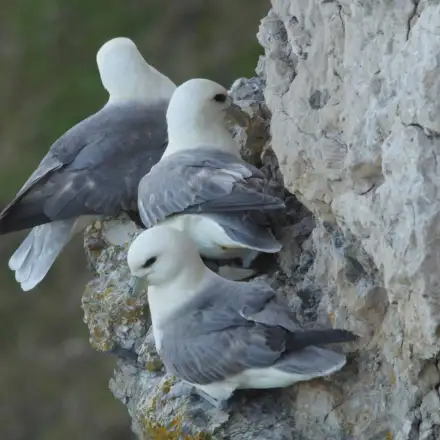
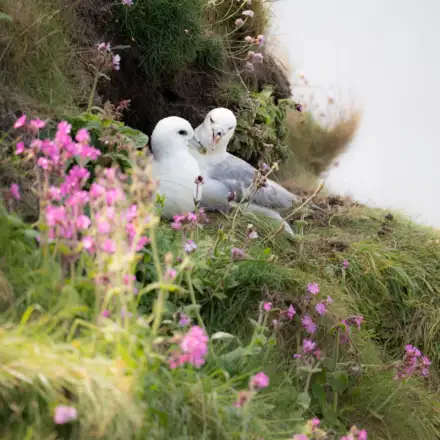
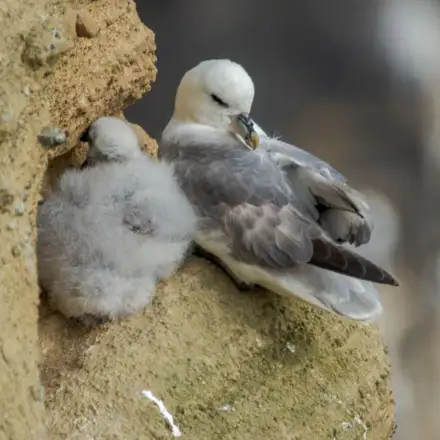
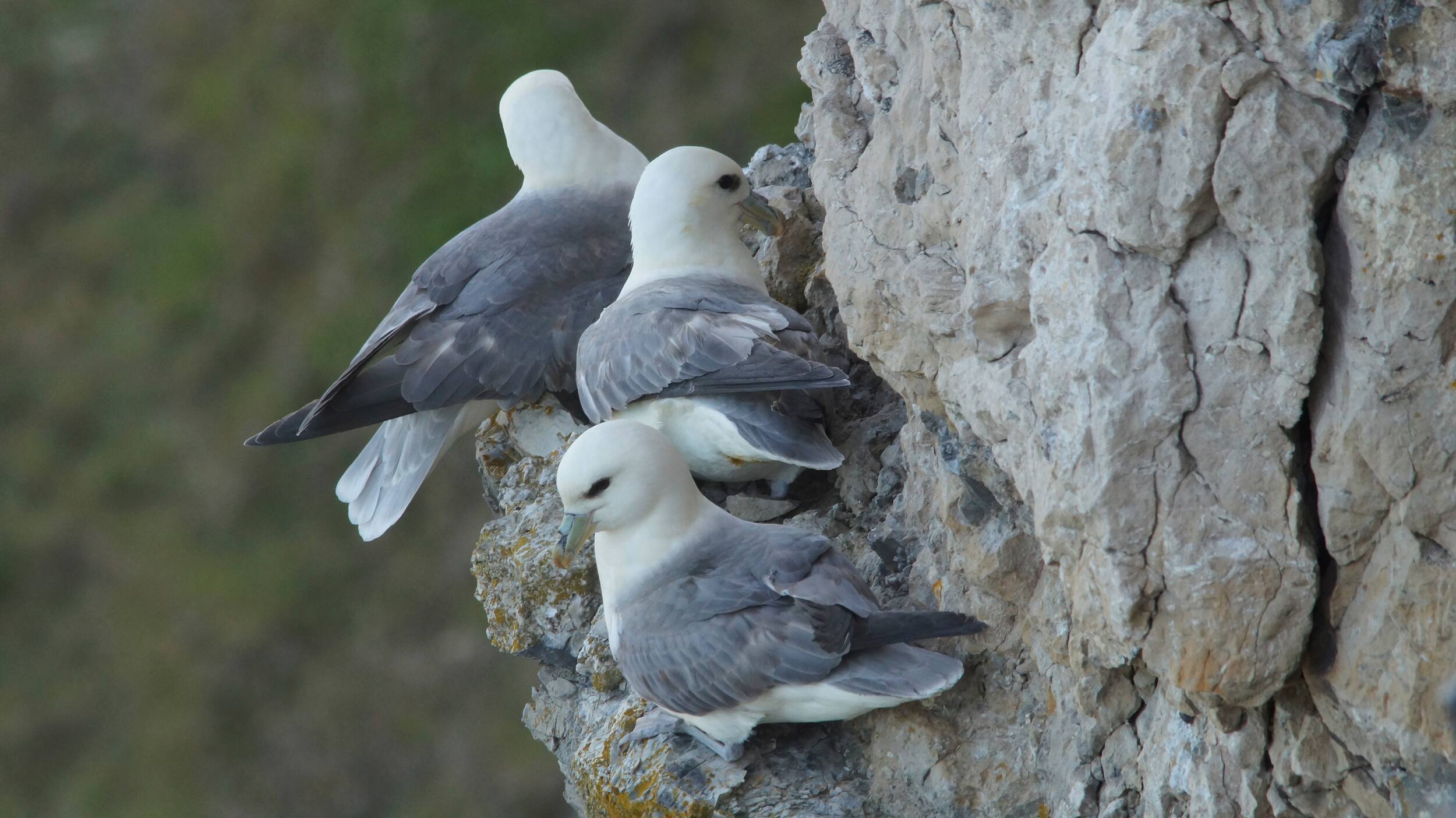
This species typically nests on cliffs and rocky faces, but also occasionally on flatter terrain. Its diet consists of various species of fish, squid and zooplankton (particularly amphipods), and it also feeds on offal and carrion. Most of its food is obtained by surface feeding, but it can also make short dives (Billerman et al. 2026). It is also common to see large numbers approaching fishing vessels, particularly trawlers, longliners and gillnet vessels.
Threats and conservation
Outside breeding areas, the main threats to the species are mortality due to bycatch in fishing gear, particularly in demersal longlines, trawls and gillnets (Dunn et al. 2001; Anderson et al. 2011; Žydelis et al. 2013). Plastic ingestion is also a significant threat to the Northern Fulmar, with studies showing that around 95% of birds washed ashore in the North Sea have plastic in their stomachs (van Franeker et al. 2011). Most contain quantities exceeding the limit of 0.1 g per individual established by the OSPAR Convention. However, the population impacts of this ingestion remain unknown.
- Autor
Tânia Nascimento
- Owners/sources of tracking data
Thompson 2013, SEATRACK
Žydelis R, Small C & French G (2013). The incidental catch of seabirds in gillnet fisheries: a global review. Biological Conservation 162: 76-88. Bibliography:
van Franeker JA, Blaize C, Danielsen J, Fairclough K, Gollan J, Guse N, Hansen PL, Heubeck M, Jensen JK, Le Guillou G, Olsen B, Olsen KO, Pedersen J, Stienen EWM & Turner DM (2011). Monitoring plastic ingestion by the northern fulmar Fulmarus glacialis in the North Sea. Environmental Pollution 159: 2609–2615. Bibliography:
Robb M, Alfrey P, Alves P, Cardoso H, Crochet PA, Fagerström V, Fernandes P, Nicolau P, Ramalho P & Valkenburg T (2025). Aves de ocorrência rara ou acidental em Portugal. Relatório do Comité Português de Raridades referente ao ano de 2023. Anuário Ornitológico 17: 3-37. Bibliography:
Oliveira N, Varanda IC, Harris MP, Almeida A, Alonso H, Bouça A, Ferreira M, Georg M, Lopes J, Sequeira M, Hilário F & Andrade J (2023c). Caracterização do arrojamento massivo de papagaio-do-mar no inverno de 2022-23 em Portugal Continental. Sociedade Portuguesa para o Estudo das Aves, Lisboa (unpublished report). Bibliography:
Granadeiro JP, Silva MA, Fernandes C & Reis A (1997). Beach bird surveys in Portugal 1990-1996. Ardeola 44(1): 9–17. Bibliography:
Dunn EK & Steel C (2001). The impact of long-line fishing on seabirds in the North east Atlantic: recommendations for reducing mortality. RSPB/JNCC, Sandy, England. Bibliography:
Costa R, Sá S, Pereira A, Ângelo A, Vaqueiro J, Ferreira M & Eira C (2020). Prevalence of entanglements of seabirds in marine debris in the central Portuguese coast. Marine Pollution Bulletin 161: 111746. Bibliography:
Correia-Fagundes C, Romano H, Zino FJA & Biscoito M (2021). Birds of the archipelagos of Madeira and the Selvagens III. New records and checklist update (2010-2020). Boletim do Museu de História Natural do Funchal LXXI: 5-20. Bibliography:
BirdLife International (2025). IUCN Red List for birds. Downloaded from https://datazone.birdlife.org on 30.11.2025. Bibliography:
Birding Azores (2022). Birding Azores database. Downloaded from https://www.azoreswildlife.com/ on 23.12.2025. Bibliography:
Billerman SM, Keeney BL, Kirwan GM, Medrano F, Sly ND & Smith MG (eds.) (2026). Birds of the World. Cornell Laboratory of Ornithology, Ithaca, NY, USA. Bibliography:
Anderson OR, Small CJ, Croxall JP, Dunn EK, Sullivan BJ, Yates O & Black A (2011). Global seabird bycatch in longline fisheries. Endangered Species Research 14: 91-106. Data:
Thompson P (2013). Dataset 1048: Northern Fulmar, Fulmarus glacialis, Geolocator (GLS), Eynehallow, Orkney, United Kingdom, 2006–2013. BirdLife International Seabird Tracking Database. Downloaded from https://data.seabirdtracking.org/dataset/1048/ on 30.11.2025. Glossary:
A marine organism, usually a fish, that spends most of its life on the seabed, associated with the marine substrate, which may be sandy or rocky. However, these organisms are capable of active swimming, thus differing from benthic organisms. Glossary:
Small crustaceans abundant in aquatic and intertidal environments, important in the marine food chain. Glossary:
An international convention for the protection of the marine environment of the North-East Atlantic, responsible for defining environmental indicators and targets. Glossary:
Equipment used to catch marine animals, such as nets, longlines or traps. Glossary:
The direction of change in the size of a population over time (increase, decline or stability). Glossary:
A concept defined under the Marine Strategy Framework Directive (MSFD), referring to the condition of the elements of the marine environment, including birds. It aims to assess whether ecosystems are healthy, balanced and capable of supporting ecological functions and human uses in a sustainable manner. The ultimate goal is for the components and ecosystems to achieve Good Environmental Status. Glossary:
Refers to the unintentional capture of marine species during fishing. Animals may become entangled in hooks or fishing nets. It is usually associated with commercial fishing, but can also occur in recreational fishing. Bycatch is one of the main threats to seabirds at sea. Glossary:
Waters situated away from the coast, beyond the continental shelf. It is used in matters relating to maritime activities, such as fishing, the oil industry and the exploitation of renewable energy. These waters are characterised by being located in the open sea, at great depths and far from coastal influences such as rivers and estuaries. They are thus distinguished from coastal waters. Glossary:
Under the United Nations Convention on the Law of the Sea, coastal states are entitled to declare an EEZ comprising maritime area beyond their territorial waters. The national EEZ is delimited by an imaginary line situated 200 nautical miles from the coast, separating national waters from international or shared waters. Within its EEZ, each state has rights such as the exploitation of marine resources, the conduct of scientific research and the regulation of fishing by foreign vessels. Glossary:
A static net, often nearly invisible and with variable mesh size, used to catch a wide variety of fish. It is set in the sea at varying depths and later retrieved. It is a non-selective fishing gear that frequently catches seabirds, marine mammals and reptiles. Glossary:
A fishing gear consisting of a main line (mother line) from which secondary lines with hooks attached branch off. It is left in the sea and can be placed on the seabed to catch deep-sea species (e.g. scabbardfish) or at the surface to catch large pelagic fish (e.g. swordfish). Glossary:
A small device attached to birds to study their large-scale movements (usually migration), which works by recording light intensity (from which the duration of night and the local midday time are estimated, and consequently the latitude and longitude on each day). Glossary:
A dead or moribund animal that is brought ashore by the action of winds and ocean currents.