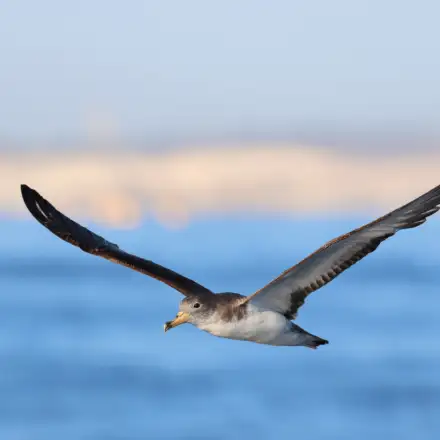
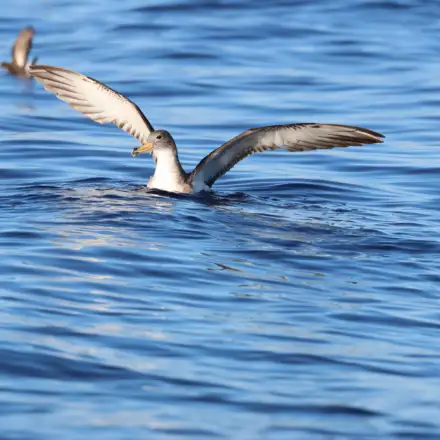
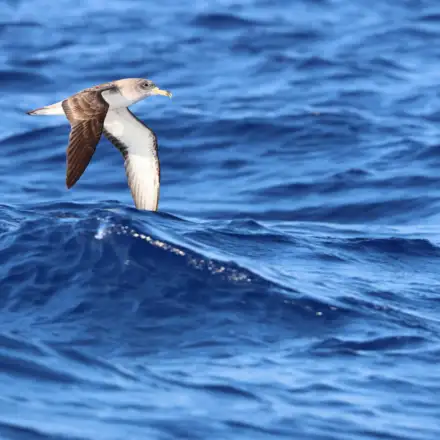
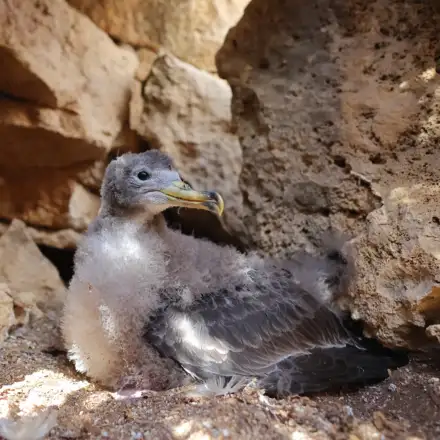
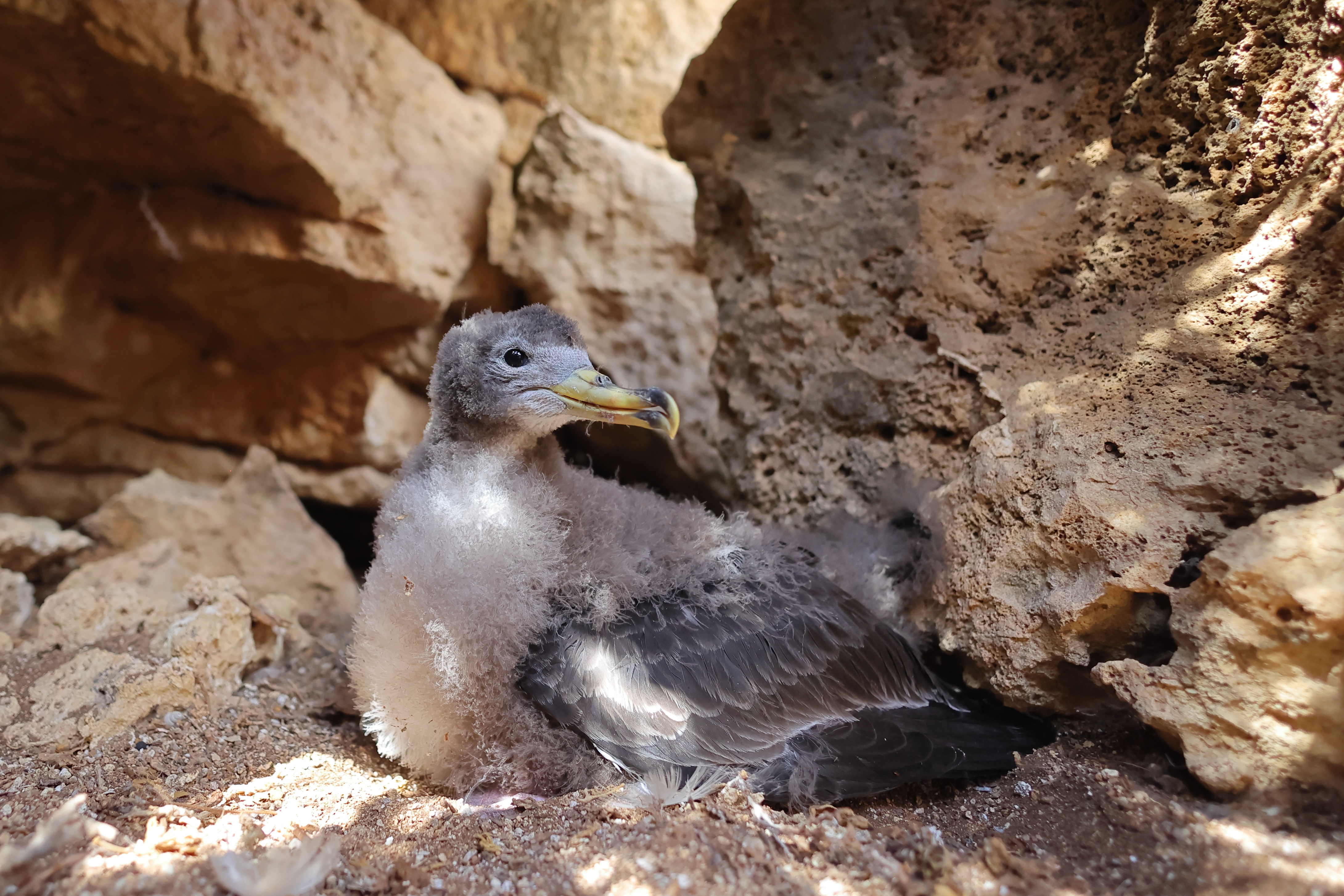
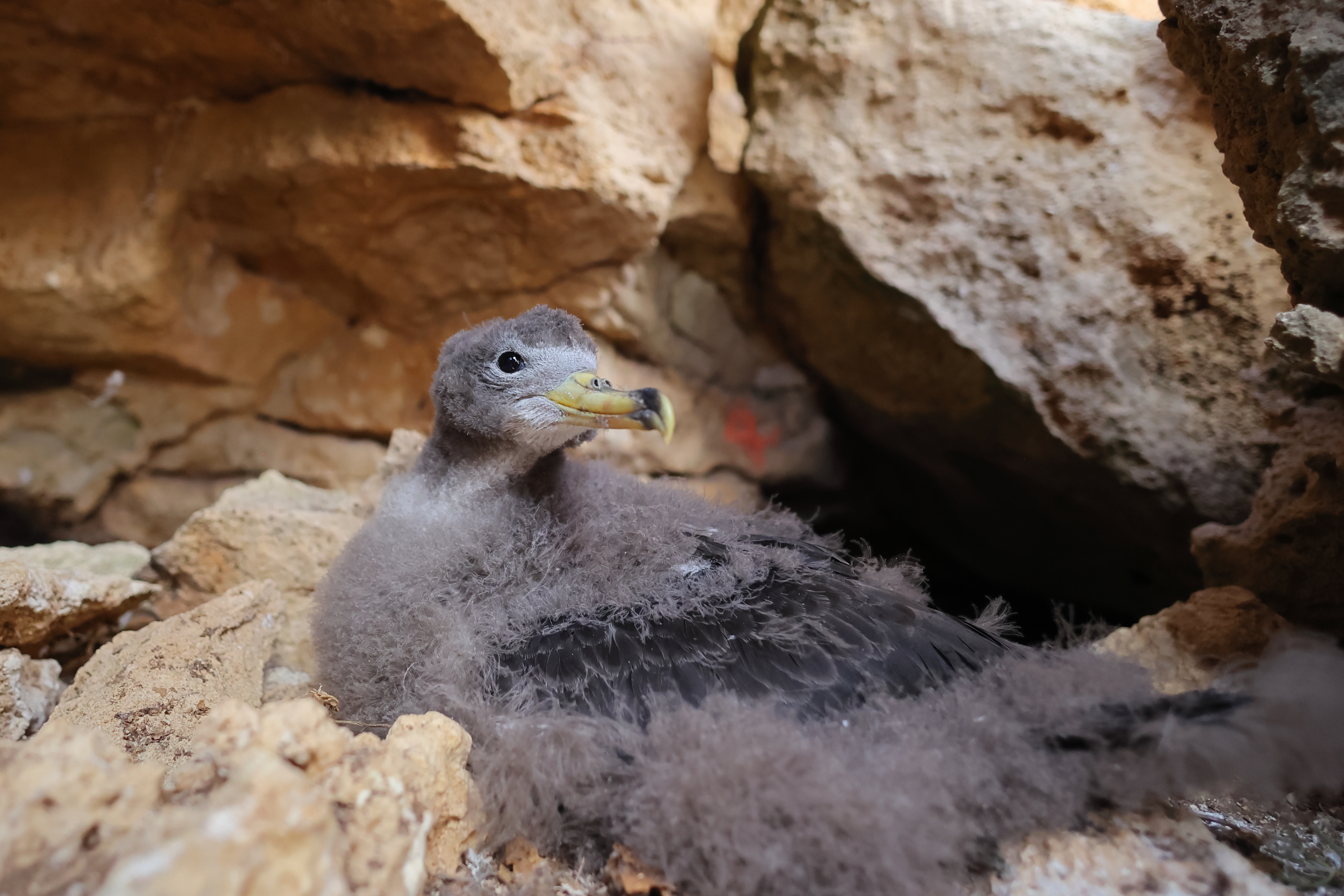
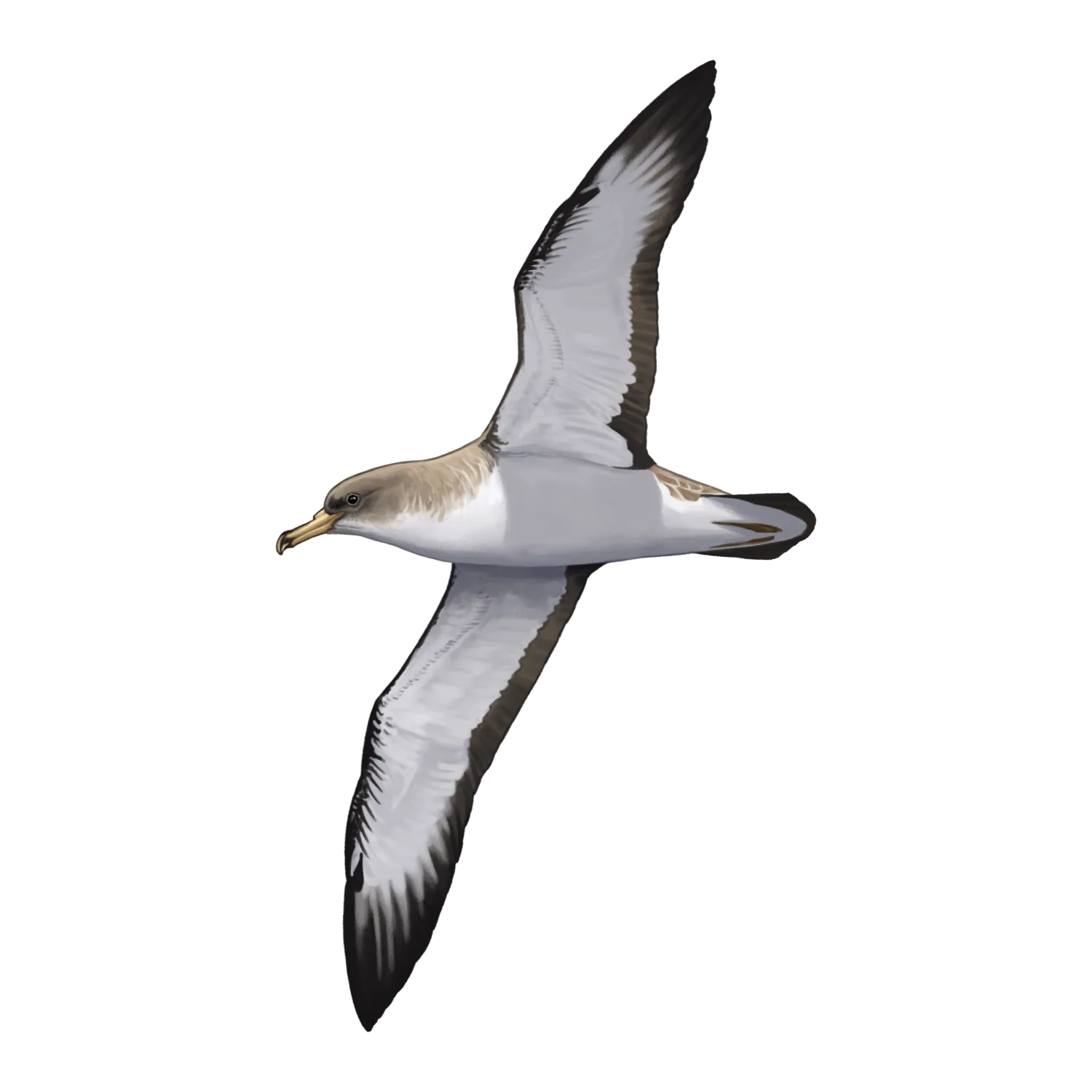
Scopoli’s Shearwater
Scientific name: Calonectris diomedea
Family procellariidae
Phenology
- Mainland
- Passage migrant
- Madeira
- Passage migrant
- Azores
- Passage migrant
Conservation status
Learn more- Mainland
- Madeira
- Azores
- IUCN Global
Maps
Distribution | Breeding
Scale
Minimum value:
Maximum value:
Scale
Minimum value:
Maximum value:
Scale
Minimum value:
Maximum value:
Scale
Minimum value:>
Maximum value:<
Scale
Minimum value:
Maximum value:
Scale
Minimum value:>
Maximum value:>
Distribution based on seabird tracking data (locations/hexagone).
Colony(ies) of origin:
Device:
Data period / number of individuals:
Data period / number of individuals:
Distribution of seabird breeding colonies or sites (number of breeding pairs).
Distribution based on marine censuses (probability of occurrence).
Observed density based on marine censuses (birds/ km2).
Confirmed occurence during marines censuses.
Abundance of waders derived from Project Arenaria coastal surveys (birds/square).
Passage rates derived from RAM coastal surveys (birds/hour).
No data available for the selected period.
Presentation
Distribution, movements and phenology
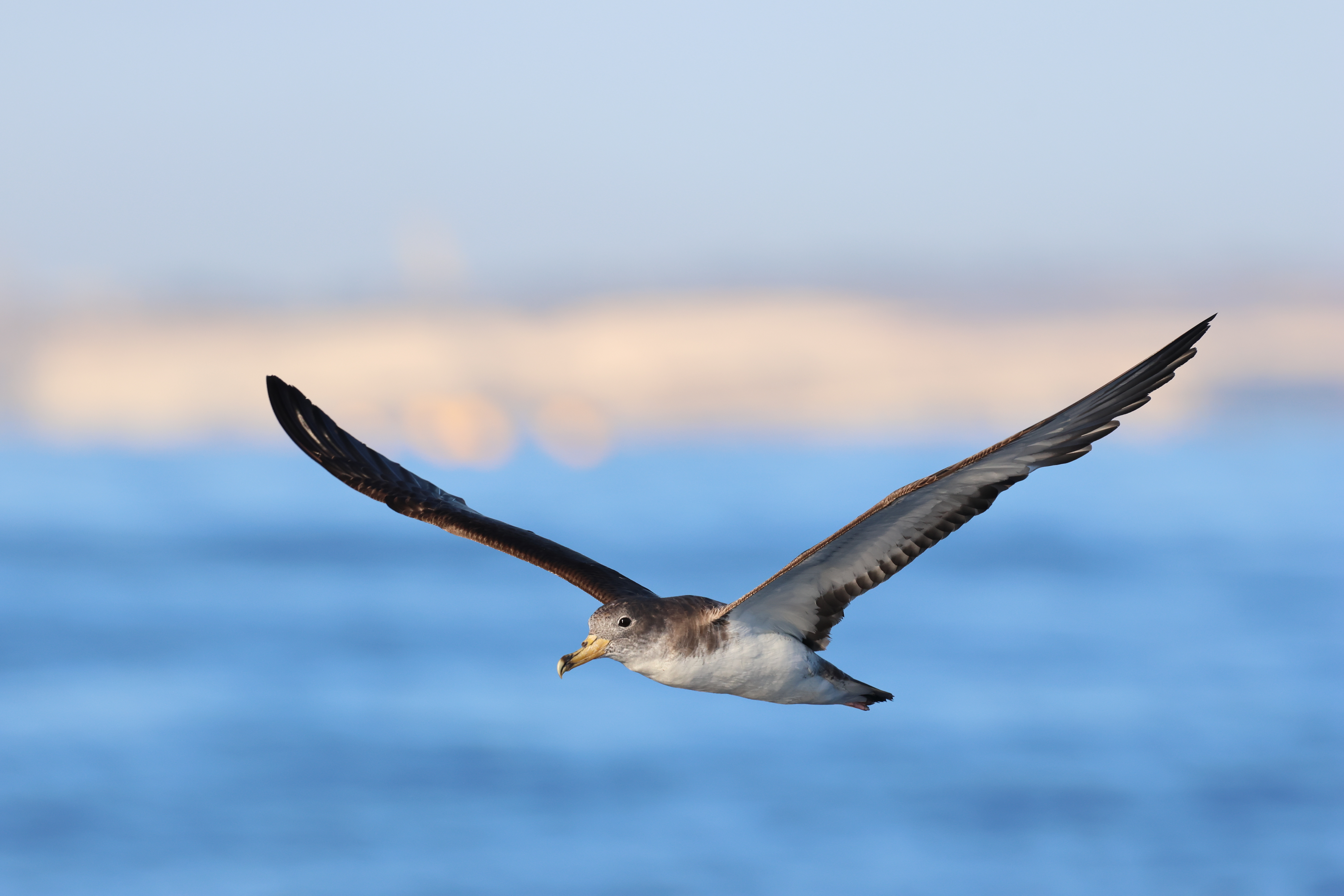
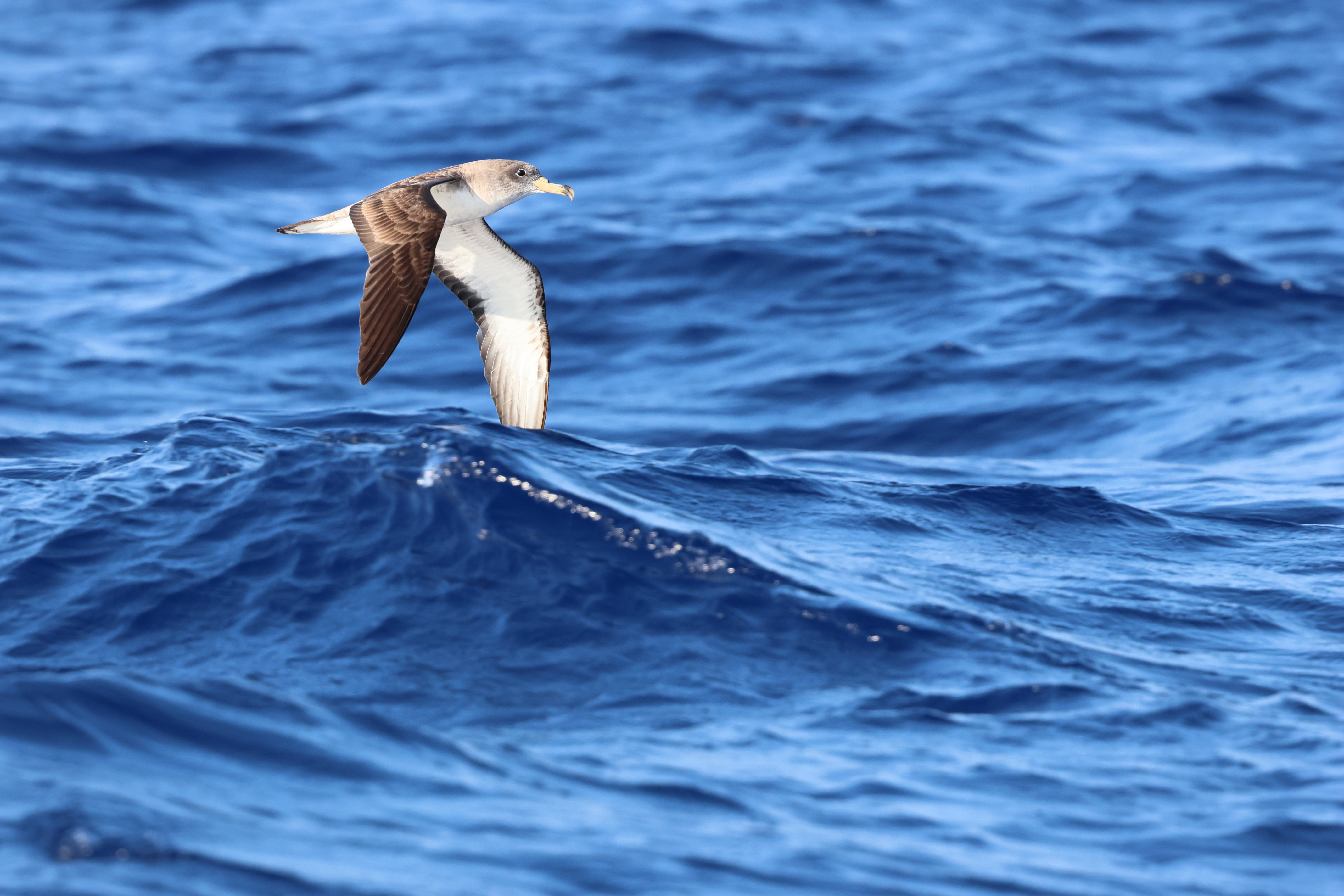
The Scopoli’s Shearwater is a trans-equatorial migrant, widespread and common in the Mediterranean during the breeding season (Keller et al. 2020). Its wintering grounds are located mainly in Atlantic waters between 20°N and 20°S, occurring predominantly in coastal waters from the Canary Current in North-west Africa to the Gulf of Guinea and Angola in the south, but also in some oceanic waters (Morera-Pujol et al. 2025). The birds return to their Mediterranean breeding colonies from late February after spending four to five months in their wintering areas. The breeding season lasts from late May until late October.
Based on the individual tracking of 28 birds from the Chafarinas (Spain) and Riou (France) colonies, equipped with GPS devices between 2007 and 2014, an extensive use of the Portuguese EEZ was recorded. Occurrence was observed during the breeding and migratory periods, concentrated mainly on the southern section of the continental shelf and along the Mainland coast, as well as southeast of the Azores sub-area and north of Madeira.
Abundance and population trends
The global population is estimated at 141,000 to 223,000 breeding pairs (Defos du Rau et al. 2015). This estimate is consistent with counts of approximately 600,000 individuals recorded at the Strait of Gibraltar during autumn passage, when the birds leave the Mediterranean basin (Derhé 2012; Carboneras et al. 2013).
The global population is estimated to be declining by around 2% over three generations (since 1980), although this estimate is based on data from only 6% of the population (Carboneras et al. 2013). Despite documented local declines, the species is globally classified as Least Concern (BirdLife International 2025). However, updated data from the largest colony, in Tunisia, are still needed to robustly assess its overall status (Carboneras et al. 2013). There is currently no available information to assess the environmental status of the population using the Portuguese EEZ.
Ecology and habitat
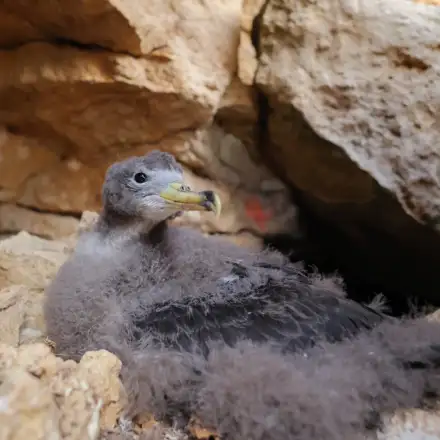
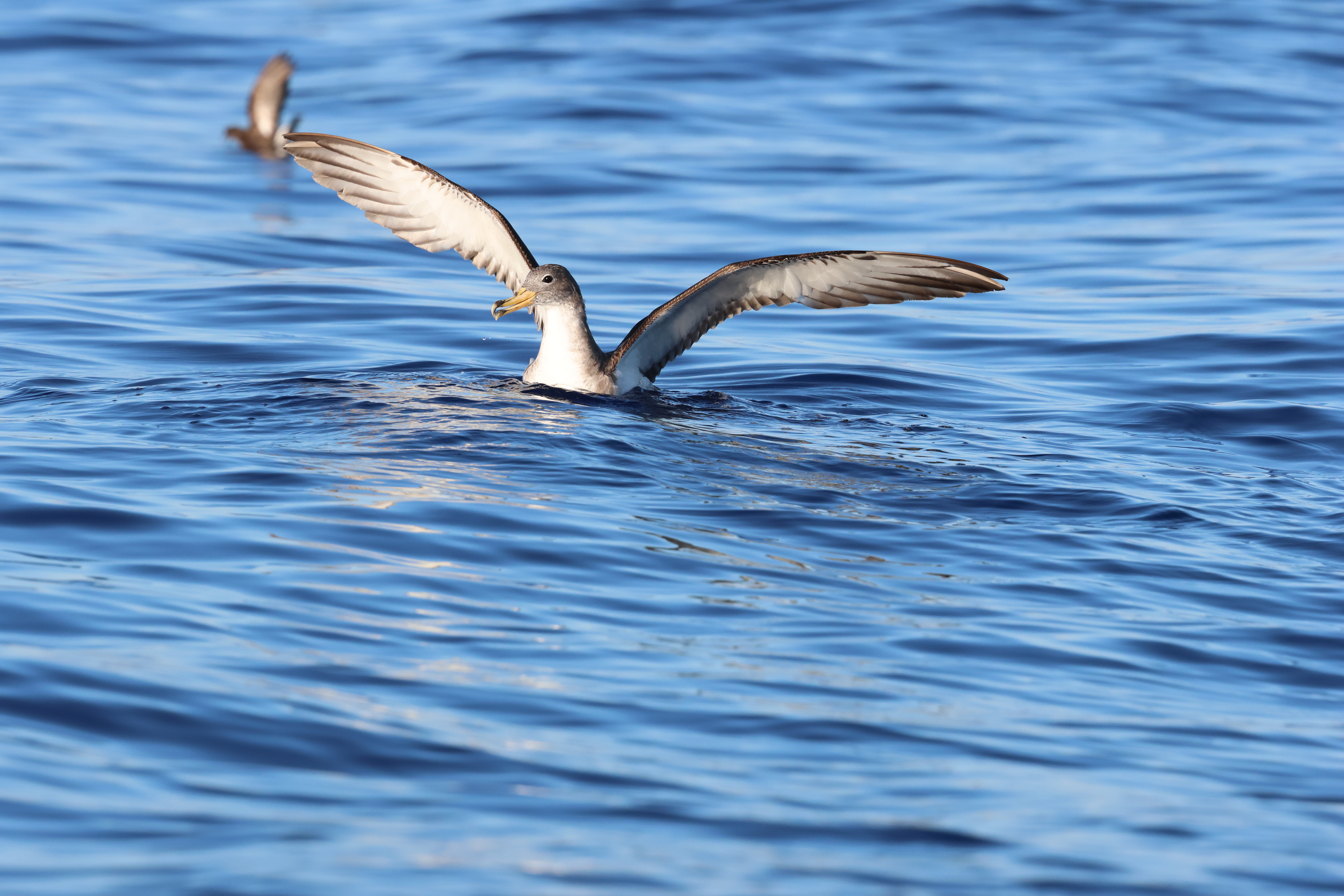
The Scopoli’s Shearwater is a migratory pelagic bird. It breeds on inaccessible cliffs of islands and uninhabited remote islets, occupying a wide variety of natural cavities, including rocky crevices, under shrubs, or in burrows excavated by the birds themselves (Karris et al. 2024). It feeds mostly at the water surface, although it also dives to capture prey. Its diet consists mainly of pelagic fish, crustaceans, and cephalopods, but the species also utilises demersal trawling discards, which consist mainly of benthopelagic species (Karris et al. 2018; Austad et al. 2025).
Threats and conservation
At breeding sites, invasive mammals, such as rats and feral cats, pose a significant risk of predation (Ruffino et al. 2009; Karris et al. 2024). Light pollution near colonies dazzles fledglings that have just left the nest, forcing them to ground before reaching the sea (Crymble et al. 2020).This increases the risk of predation, road collisions, and other hazards. The species is also exposed to bycatch in longlines and gillnets (García-Barcelona et al. 2010; Karris et al. 2013). In the marine environment, the species is exposed to pollution from inorganic and organic contaminants (Voulgaris et al. 2019; Michel et al. 2025), including plastics (van Franeker et al. 2026), while overfishing reduces prey availability (Arcos 2001). Finally, the species is affected by extreme weather events associated with climate change (Genovart et al. 2013).
- Autores
Georgios Karris, Letizia Campioni
- Owners/sources of tracking data
Arcos 2007, Arcos 2011, David Gremillet & Nicolas Courbin (OrnitEOF, MigraLion, PGL)
Voulgaris M-D, Karris G, Xirouchakis S, Pedro PZ, Asimakopoulos AG, Grivas K & Bebianno MJ (2019). Trace metal blood concentrations in Scopoli's shearwaters (Calonectris diomedea) during 2007–2014: A systematic analysis of the largest species colony in Greece, Greece. Science of the Total Environment 691: 187-194. Bibliography:
van Franeker JA, Soldaat E, Bried J, González-Solís J, Zino F, Biscoito M, Borg JJ, Tossani F, Parolini M & Kühn S (2026) Plastic ingestion by Cory's and Scopoli's shearwaters (Calonectris spp.) from the north-eastern Atlantic Ocean and Mediterranean Sea. Marine Pollution Bulletin 223: 119008. Bibliography:
Ruffino L, Bourgeois K, Vidal E, Duhem C, Paracuellos M, Escribano F, Sposimo P, Baccetti, N, Pascal M & Oro D (2009). Invasive rats and seabirds: a review after 2,000 years of an unwanted coexistence on Mediterranean islands. Biological Invasions 11: 1631-1651. Bibliography:
Morera-Pujol V, Catry P, Magalhães M, Péron C, Reyes-González JM, Granadeiro JP, Militão T, Dias MP, Oro D, Igual JM, Dell'Omo G, Müller M, Paiva VH, Metzger B, Neves V, Navarro J, Karris G, Xirouchakis S, Cecere JG, Zamora-Marín JM, Forero MG, Afán I, Ouni R, Romdhane MS, De Felipe F, Zajková Z, Cruz-Flores M, Grémillet D, González-Solís J & Ramos R (2025) Migratory connectivity and non‑breeding habitat segregation across biogeographical scales in closely related seabird taxa. Diversity and Distributions 31(3): e70013. Bibliography:
Michel L, Zhang J, Asimakopoulos A, Austad M, Bustamante P, Cecere JG, Cianchetti-Benedetti M, Colominas-Ciuró R, Dell'Omo G, De Pascalis F, Jaspers VLB & Quillfeldt P (2025) .Assessing perfluoroalkyl substance pollution in Central Mediterranean breeding shearwaters. Environmental Toxicology and Chemistry 44:420-431. Bibliography:
Keller V, Herrando S, Voříšek P, Franch M, Kipson M, Milanesi P, Martí D, Anton M, Klvaňová A, Kalyakin MV et al. (2020). European Breeding Bird Atlas 2: Distribution, Abundance and Change. European Bird Census Council & Lynx Edicions: Barcelona, Spain. Bibliography:
Karris G, Xirouchakis S, Poirazidis K, Voulgaris M-D, Tsouroupi A, Sfenthourakis S & Giokas S (2024). Aspects of breeding performance of Scopoli’s Shearwater (Calonectris diomedea): The case of the largest colony in Greece. Diversity 16: 150. Bibliography:
Karris G, Ketsilis‑Rinis V, Kalogeropoulou A, Xirouchakis S, Machias A, Maina I & Kavadas S (2018). The use of demersal trawling discards as a food source for two scavenging seabird species: a case study of an eastern Mediterranean oligotrophic marine ecosystem. Avian Research 9: 26. Bibliography:
Karris G, Fric J, Kitsou Z, Kalfopoulou J, Giokas S, Sfenthourakis S & Poirazidis K (2013). Does by-catch pose a threat for the conservation of seabird populations in the southern Ionian Sea (eastern Mediterranean)? A questionnaire-based survey of local fisheries. Mediterranean Marine Science 14: 19-25. Bibliography:
Genovart M, Sanz-Aguilar A, Fernández-Chacón A, Igual JM, Pradel R, Forero MG & Oro D (2013). Contrasting effects of climatic variability on the demography of a trans-equatorial migratory seabird. Journal of Animal Ecology 82: 121-130. Bibliography:
García-Barcelona S, Ortiz de Urbina JM, de la Serna JM, Alot E & Macías D (2010). Seabird by-catch in Spanish Mediterranean large pelagic logline fisheries, 1998–2008. Aquatic Living Resources 23: 363–371. Bibliography:
Derhé M (2012). Developing a population assessment for Scopoli’s and Cory’s Shearwaters Calonectris diomedea/Calonectris borealis. In Yésou P, Bacetti N & Sultana J (eds.). Ecology and Conservation of Mediterranean Seabirds and other bird species under the Barcelona Convention. Proceedings of the 13th Medmaravis Pan-Meditearranean Symposium. Alghero (Sardinia): 29-38. Bibliography:
Defos du Rau, Bourgeois K, Thévenet M, Ruffino L, Dromzée S, Ouni O, Abiadh A, Estève R, Durand J-P, Anselme L, Faggio G, Yahya JM, Rguibi H, Renda M, Miladi B, Hamrouni H, Alilech S, Nefla A, Jaouadi W, Agrebi S & Renou S (2015). Reassessment of the size of the Scopoli’s Shearwater population at its main breeding site resulted in a tenfold increase: implications for the species conservation. Journal of Ornithology 156: 877-892. Bibliography:
Crymble J, Mula-Laguna, J., Austad M, Borg JJ, Sultana J, Barbara N, Tribe A, Lago P & Metzger B (2020). Identifying light-induced grounding hotspots for Maltese seabirds. Il-Merill 34: 23-43. Bibliography:
Carboneras C, Derhé M & Ramirez I (2013). Update on the population status and distribution of Mediterranean shearwaters. Report to Seventh Meeting of the ACAP Advisory Committee. La Rochelle, France, 6-10 May 2013. Bibliography:
BirdLife International (2025). IUCN Red List for birds. Downloaded from https://datazone.birdlife.org on 30.11.2025. Bibliography:
Austad M, Michel L, Masello, JF, Cecere JG, de Pascalis F, Bustamante P, Dell’Omo G, Griep S & Quillfeldt P (2025). Diet of two mediterranean shearwaters revealed by DNA metabarcoding. Marine Biology 172: 104. Bibliography:
Arcos JM (2001) Foraging ecology of seabirds at sea: Significance of commercial fisheries in the NW Mediterranean. PhD thesis. University of Barcelona. Data:
Arcos JM (2011). Dataset 860: Scopoli's Shearwater, Calonectris diomedea, GPS, Chafarinas, Chafarinas, Spain, 2011. BirdLife International Seabird Tracking Database. Downloaded from https://data.seabirdtracking.org/dataset/860/ on 30.11.2025. Data:
Arcos JM (2007). Dataset 674: Scopoli's Shearwater, Calonectris diomedea, PTT, Chafarinas, Chafarinas, Spain, 2007. BirdLife International Seabird Tracking Database. Downloaded from https://data.seabirdtracking.org/dataset/674/ on 30.11.2025. Glossary:
A marine organism, usually a fish, that spends most of its life on the seabed, associated with the marine substrate, which may be sandy or rocky. However, these organisms are capable of active swimming, thus differing from benthic organisms. Glossary:
A group of marine arthropods that are important in the marine food chain. Glossary:
A group of marine molluscs that includes squids, cuttlefish and octopuses. Glossary:
Intense meteorological phenomena such as storms, heatwaves or droughts. Glossary:
Alteration of natural night-time light levels due to artificial lighting. Glossary:
Persistent changes in global or regional climate patterns, influenced by natural and anthropogenic factors. Glossary:
Areas where birds remain outside the breeding season, generally associated with favourable conditions for feeding and survival. Glossary:
Monitoring the movements of individuals using tracking devices. Glossary:
A concept defined under the Marine Strategy Framework Directive (MSFD), referring to the condition of the elements of the marine environment, including birds. It aims to assess whether ecosystems are healthy, balanced and capable of supporting ecological functions and human uses in a sustainable manner. The ultimate goal is for the components and ecosystems to achieve Good Environmental Status. Glossary:
A small device attached to birds to study their movements at a finer scale (usually during the breeding season). These devices use the Global Positioning System (GPS) to obtain information on position, latitude, longitude and altitude at any point on Earth, using a network of orbiting satellites. Glossary:
Refers to the unintentional capture of marine species during fishing. Animals may become entangled in hooks or fishing nets. It is usually associated with commercial fishing, but can also occur in recreational fishing. Bycatch is one of the main threats to seabirds at sea. Glossary:
Waters situated away from the coast, beyond the continental shelf. It is used in matters relating to maritime activities, such as fishing, the oil industry and the exploitation of renewable energy. These waters are characterised by being located in the open sea, at great depths and far from coastal influences such as rivers and estuaries. They are thus distinguished from coastal waters. Glossary:
Under the United Nations Convention on the Law of the Sea, coastal states are entitled to declare an EEZ comprising maritime area beyond their territorial waters. The national EEZ is delimited by an imaginary line situated 200 nautical miles from the coast, separating national waters from international or shared waters. Within its EEZ, each state has rights such as the exploitation of marine resources, the conduct of scientific research and the regulation of fishing by foreign vessels. Glossary:
A form of fishing in which fish stocks (or populations) are exploited to levels that are biologically and ecologically unsustainable. Overfishing of certain key species, such as sharks, can lead to the collapse of marine ecosystems. Glossary:
A static net, often nearly invisible and with variable mesh size, used to catch a wide variety of fish. It is set in the sea at varying depths and later retrieved. It is a non-selective fishing gear that frequently catches seabirds, marine mammals and reptiles. Glossary:
The portion of the seabed that begins at the coastline and slopes gently downwards to the continental slope (where the slope is much steeper). On average, the continental shelf extends to a depth of 200 metres. Glossary:
The area or environment where organisms that do not depend on the seafloor normally live. It is the typical ecological environment of open ocean waters. The pelagic ecosystem does not include only the open sea; it also comprises the waters covering the continental shelf. The pelagic zone begins below the influence of tides and extends into the open ocean, at depths ranging from a few tens of metres to approximately 6,000 metres, and is divided into different layers. Glossary:
A fishing gear consisting of a main line (mother line) from which secondary lines with hooks attached branch off. It is left in the sea and can be placed on the seabed to catch deep-sea species (e.g. scabbardfish) or at the surface to catch large pelagic fish (e.g. swordfish).