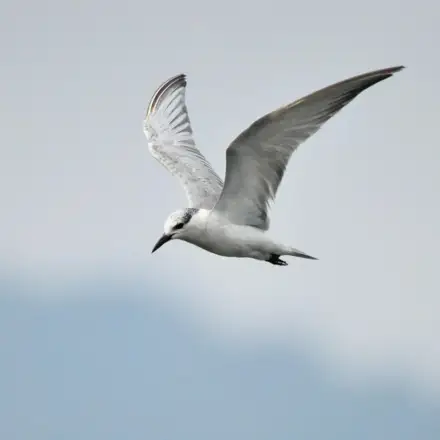
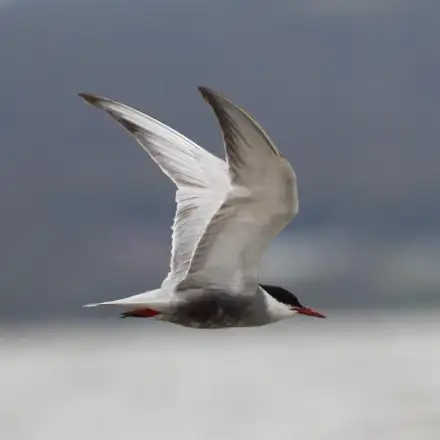
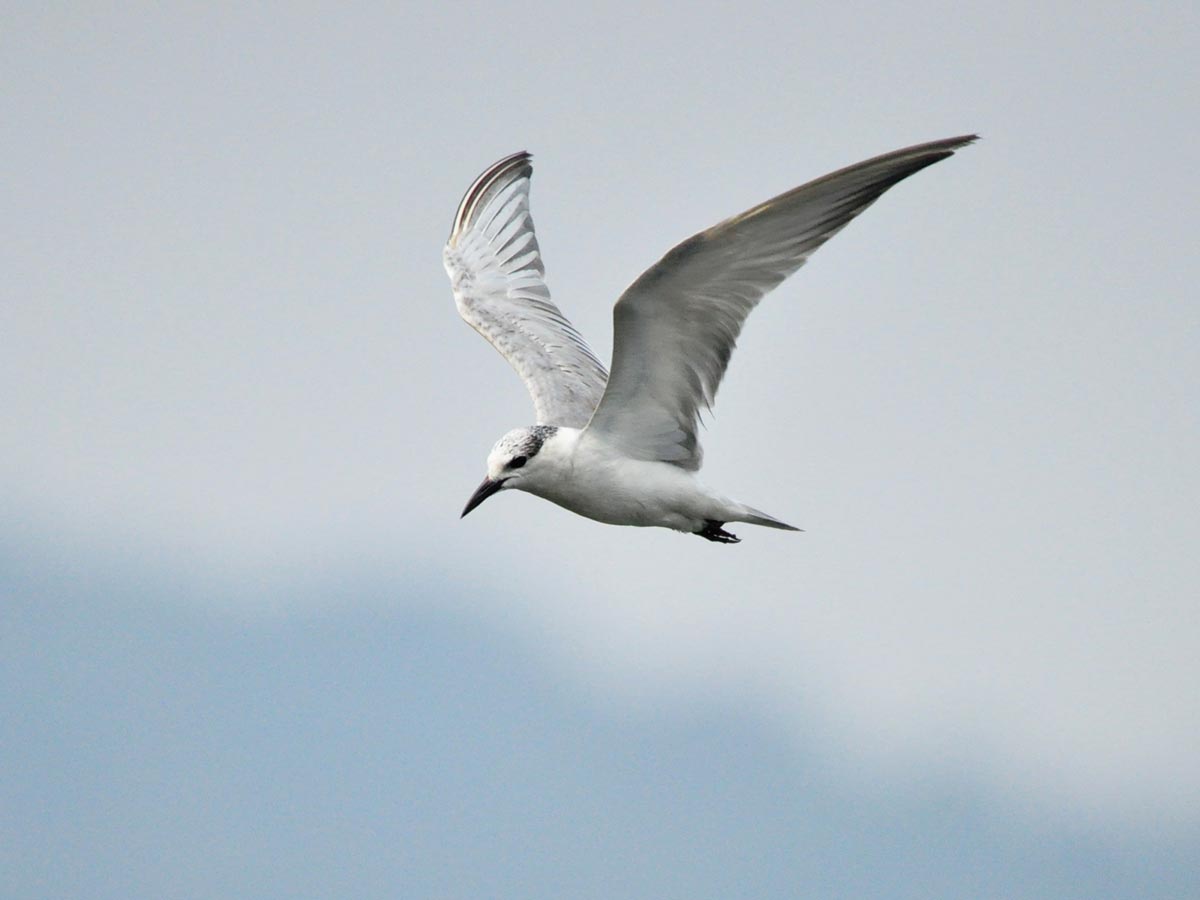
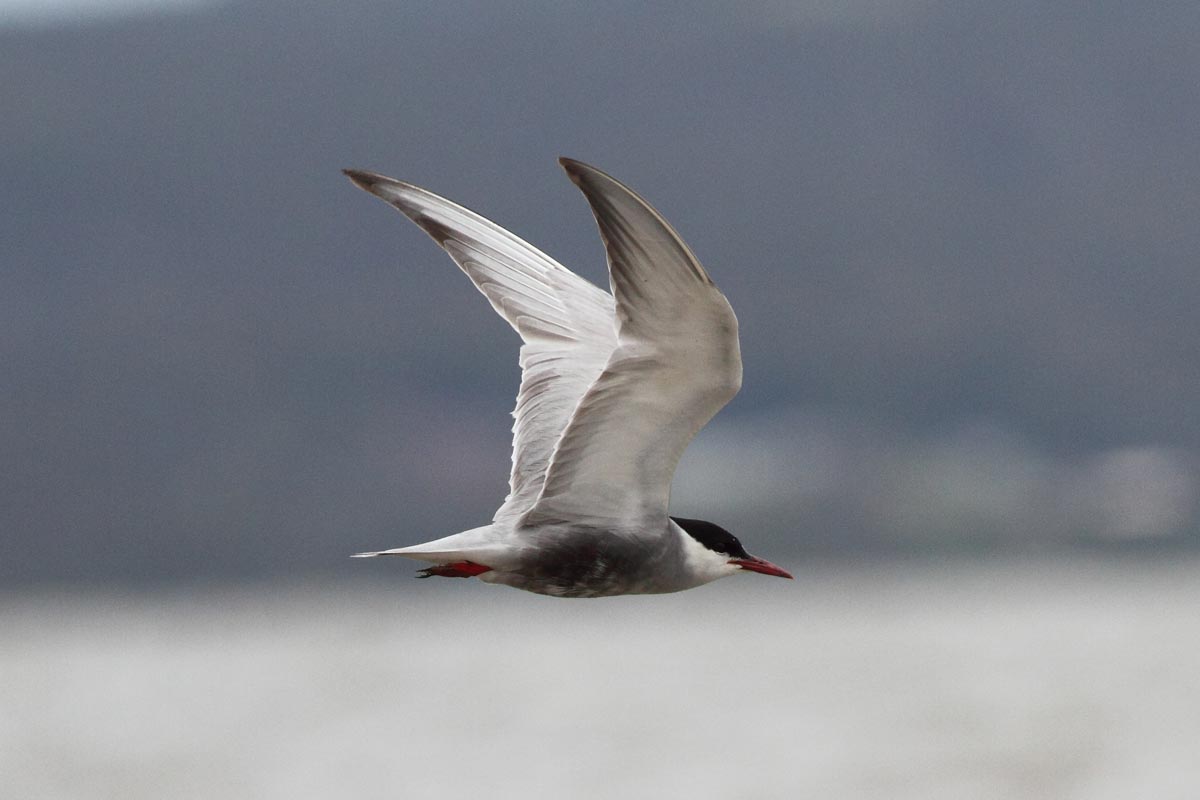
Whiskered Tern
Scientific name: Chlidonias hybrida
Family laridae
Phenology
- Mainland
- Summer breeder
- Madeira
- Vagrant
- Azores
- Vagrant
Conservation status
Learn more- Mainland
- Madeira
- Azores
- IUCN Global
Data
Maps
Colonies | Breeding
Scale
Minimum value:
Maximum value:
Scale
Minimum value:
Maximum value:
Scale
Minimum value:
Maximum value:
Scale
Minimum value:>
Maximum value:<
Scale
Minimum value:
Maximum value:
Scale
Minimum value:>
Maximum value:>
Distribution based on seabird tracking data (locations/hexagone).
Colony(ies) of origin:
Device:
Data period / number of individuals:
Data period / number of individuals:
Distribution of seabird breeding colonies or sites (number of breeding pairs).
Distribution based on marine censuses (probability of occurrence).
Observed density based on marine censuses (birds/ km2).
Confirmed occurence during marines censuses.
Abundance of waders derived from Project Arenaria coastal surveys (birds/square).
Passage rates derived from RAM coastal surveys (birds/hour).
No data available for the selected period.
Presentation
Distribution, movements and phenology
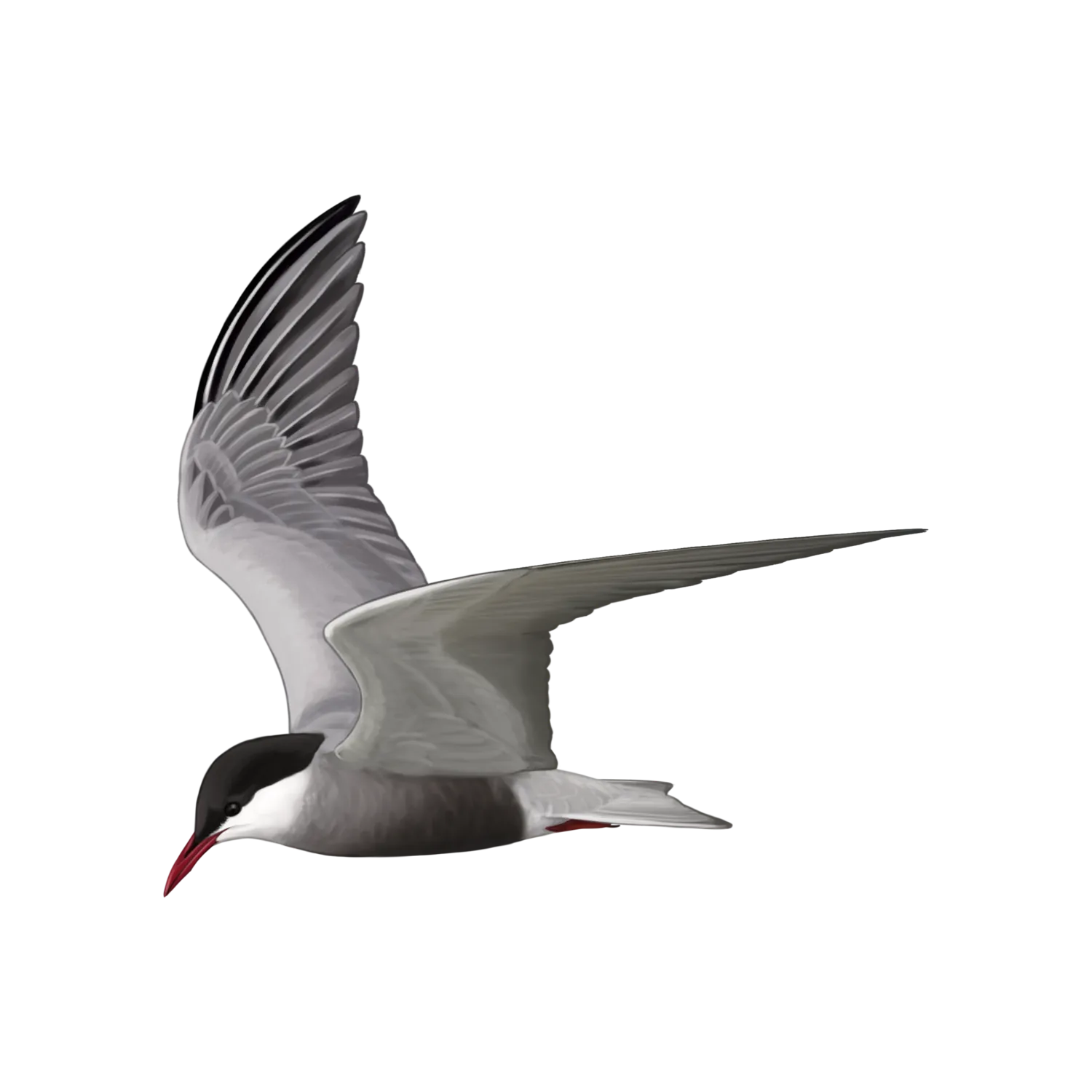
The nominate subspecies breeds from May to June, scattered across the more temperate regions of Eurasia, wintering mainly in Africa and South Asia (Billerman et al. 2026). In Mainland Portugal, it is a localised and irregular breeder, occupying wetlands such as marshes, reservoirs and fallow rice fields. It occurs mainly in the central region, from the Ria de Aveiro to the Alto Alentejo, breeding sporadically in neighbouring areas (Equipa Atlas 2022). It is rarely observed on the open sea (Meirinho et al. 2014). It occurs mainly between April and May, leaving the region between July and September (Catry et al. 2010a), although there are exceptional records during winter. In the Azores, it has been recorded sporadically, mainly on the islands of the eastern group and on Terceira Island (Birding Azores 2022), and is equally rare in the Madeira archipelago (Correia-Fagundes et al. 2021). It has not been possible to obtain individual tracking data demonstrating its use of the Portuguese EEZ.
Abundance and population trends
The global population has been estimated at 300,000 to 1,400,000 birds, with an unknown population trend (BirdLife International 2025). No information is available regarding the global abundance of the nominate subspecies. In Mainland Portugal, the breeding population has been estimated at 5 to 50 breeding pairs (Equipa Atlas 2022). This species is more common, albeit equally scarce, during migratory passages (Catry et al. 2010a). There is no information on population trends either on the Mainland or in the archipelagos. In the latter, the species occurs in very small numbers and only exceptionally. Nor is there any sufficiently robust information available to allow an assessment of its environmental status in any of the regions.
Ecology and habitat
The Whiskered Tern uses various types of wetlands, showing a preference for freshwater habitats. It can also be found in rice paddies. Its diet is very varied and may include terrestrial and aquatic invertebrates, amphibians and small fish (Billerman et al. 2026).
Threats and conservation
The drainage of wetlands, the destruction of emergent vegetation and direct disturbance caused by human activities appear to be the main threats to this species in Portugal (Catry et al. 1997). Agricultural activities, which are responsible for lowering water levels, may be responsible for the reduced stability of the breeding population in some areas. Other sources of threat include collisions with overhead power lines, the installation of wind farms, adverse weather conditions and predation by native and invasive species.
- Autor
Nuno Oliveira
Meirinho A, Barros N, Oliveira N, Catry P, Lecoq M, Paiva V, Geraldes P, Granadeiro JP, Ramírez I & Andrade J (2014). Atlas das Aves Marinhas de Portugal. Sociedade Portuguesa para o Estudo das Aves. Bibliography:
Equipa Atlas (2022). III Atlas das Aves Nidificantes de Portugal (2016-2021). SPEA, ICNF, LabOr/UÉ, IFCN. Portugal. Bibliography:
Correia-Fagundes C, Romano H, Zino FJA & Biscoito M (2021). Birds of the archipelagos of Madeira and the Selvagens III. New records and checklist update (2010-2020). Boletim do Museu de História Natural do Funchal LXXI: 5-20. Bibliography:
Catry P, Tomé R & Cardoso AC (1997). Biologia da reprodução e estatuto da Gaivina-dos-pauis Chlidonias hybridus no Paul do Boquilobo. Airo 8: 7-15. Bibliography:
BirdLife International (2025). IUCN Red List for birds. Downloaded from https://datazone.birdlife.org on 30.11.2025. Bibliography:
Birding Azores (2022). Birding Azores database. Downloaded from https://www.azoreswildlife.com/ on 23.12.2025. Bibliography:
Billerman SM, Keeney BL, Kirwan GM, Medrano F, Sly ND & Smith MG (eds.) (2026). Birds of the World. Cornell Laboratory of Ornithology, Ithaca, NY, USA. Bibliography:
Catry P, Costa H, Elias G & Matias R (2010a). Aves de Portugal, Ornitologia do Território Continental. Assírio e Alvim, Lisboa Glossary:
Freshwater wetlands, often temporary or shallow, used by waterbirds. Glossary:
Monitoring the movements of individuals using tracking devices. Glossary:
The direction of change in the size of a population over time (increase, decline or stability). Glossary:
A concept defined under the Marine Strategy Framework Directive (MSFD), referring to the condition of the elements of the marine environment, including birds. It aims to assess whether ecosystems are healthy, balanced and capable of supporting ecological functions and human uses in a sustainable manner. The ultimate goal is for the components and ecosystems to achieve Good Environmental Status. Glossary:
Under the United Nations Convention on the Law of the Sea, coastal states are entitled to declare an EEZ comprising maritime area beyond their territorial waters. The national EEZ is delimited by an imaginary line situated 200 nautical miles from the coast, separating national waters from international or shared waters. Within its EEZ, each state has rights such as the exploitation of marine resources, the conduct of scientific research and the regulation of fishing by foreign vessels. Glossary:
A term generally applied to a species introduced deliberately or accidentally into a specific location or region outside its original range. Depending on its adaptation to the new environment, an introduced species may or may not become naturalised and proliferate.