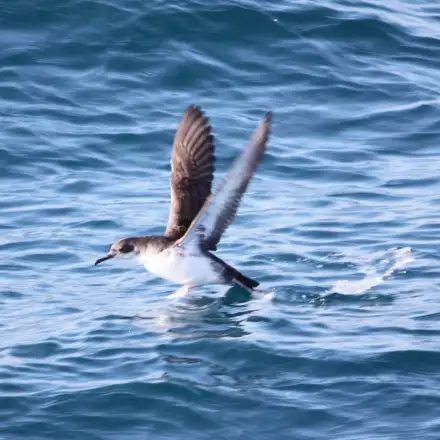
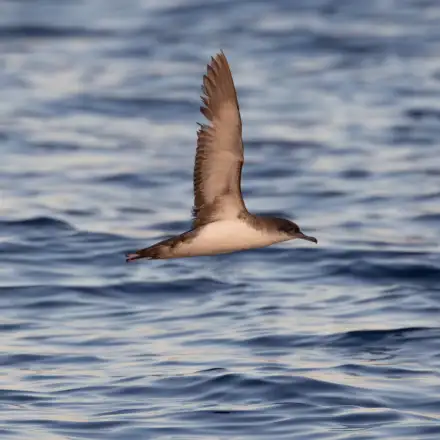
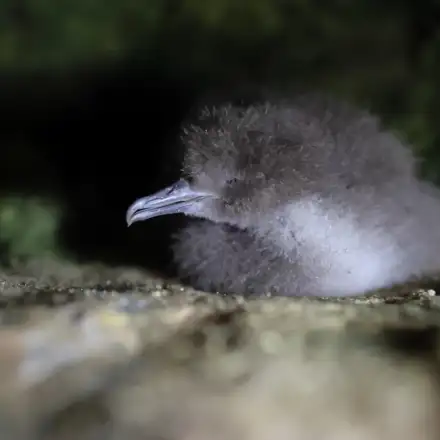
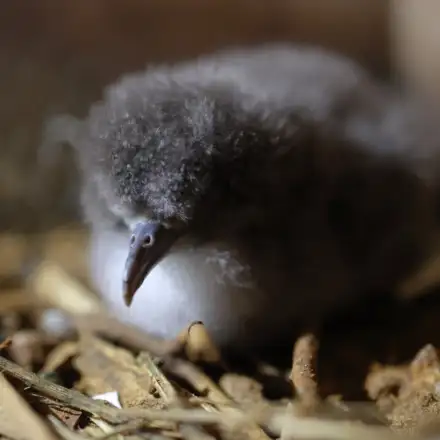
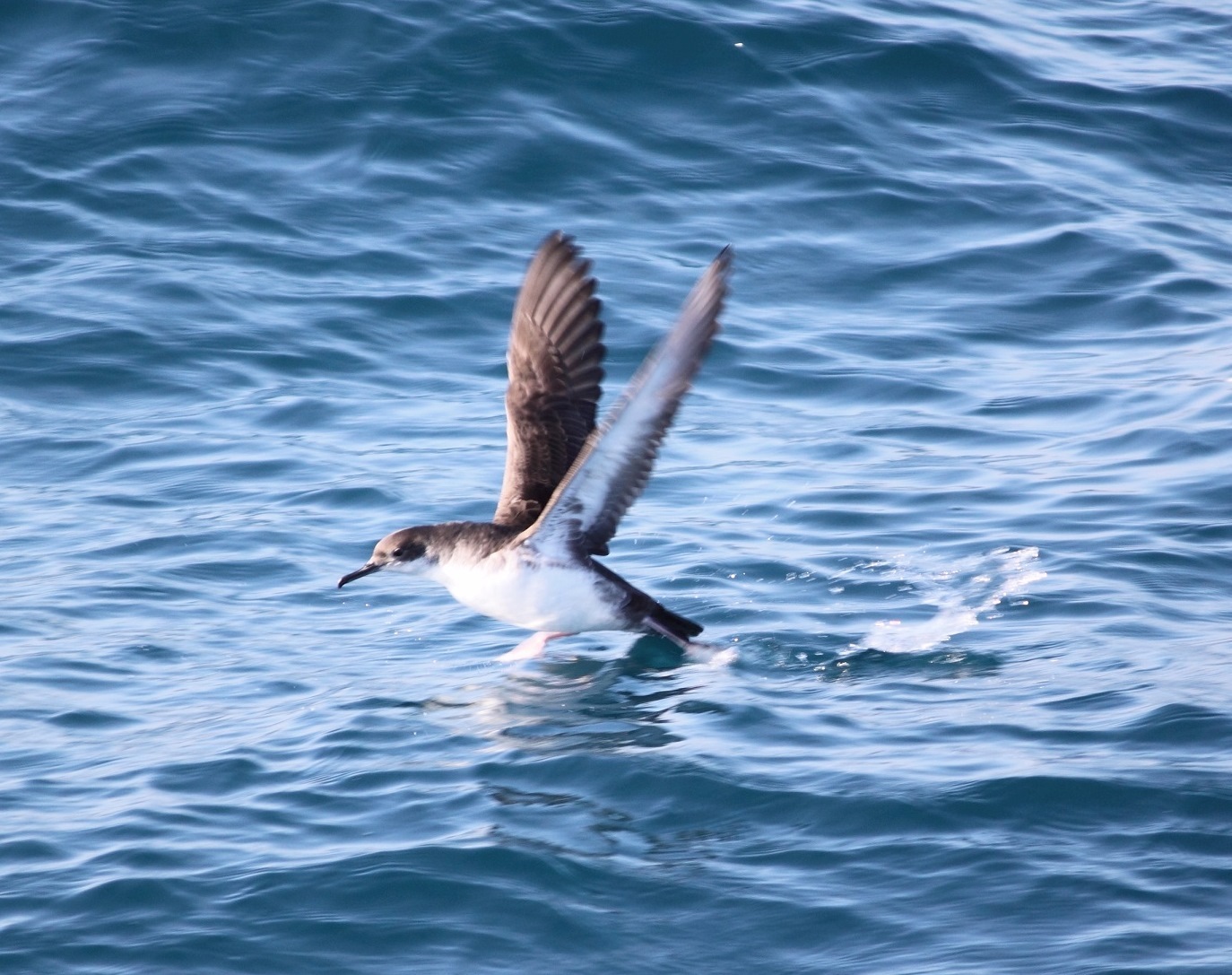
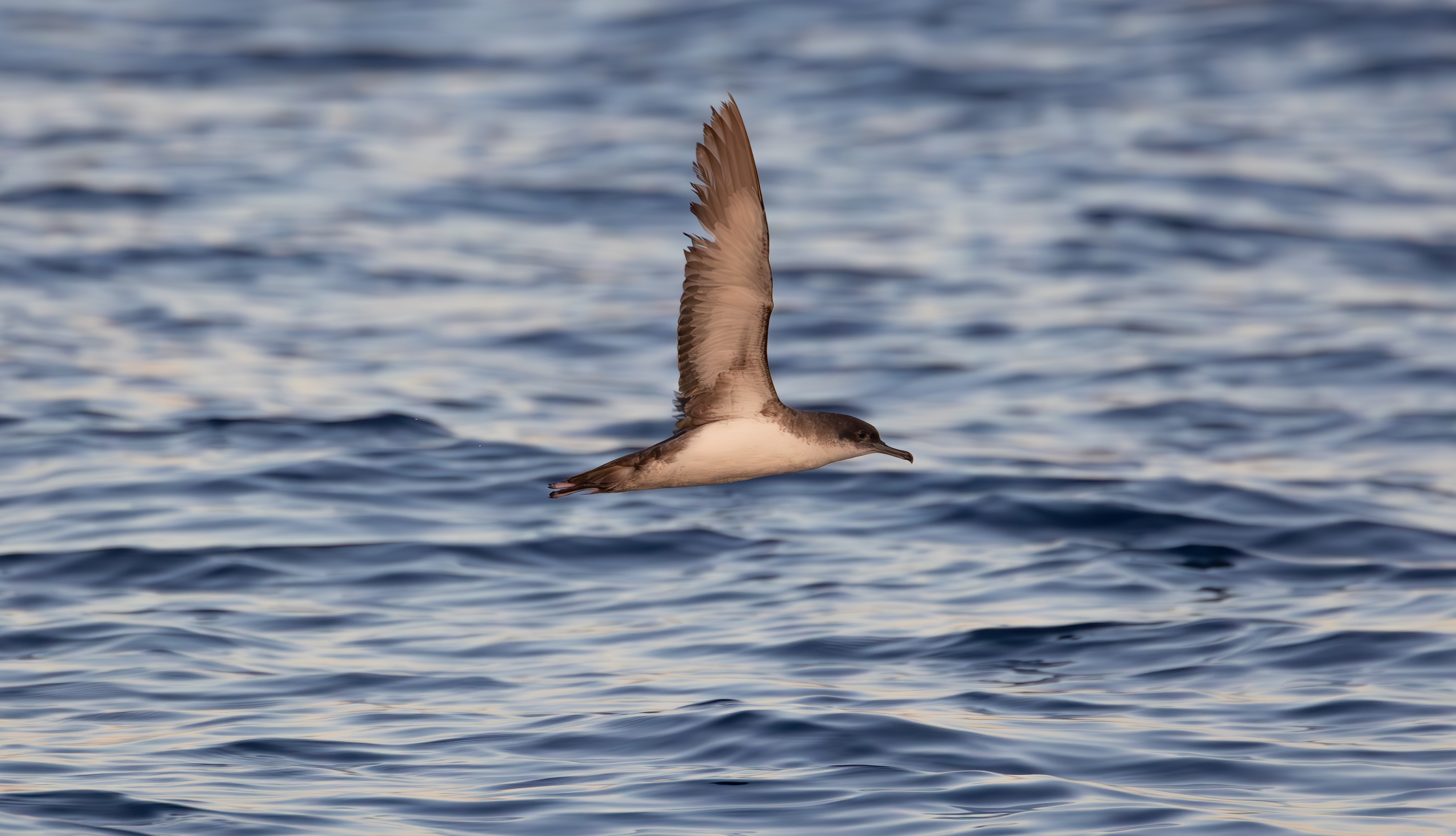
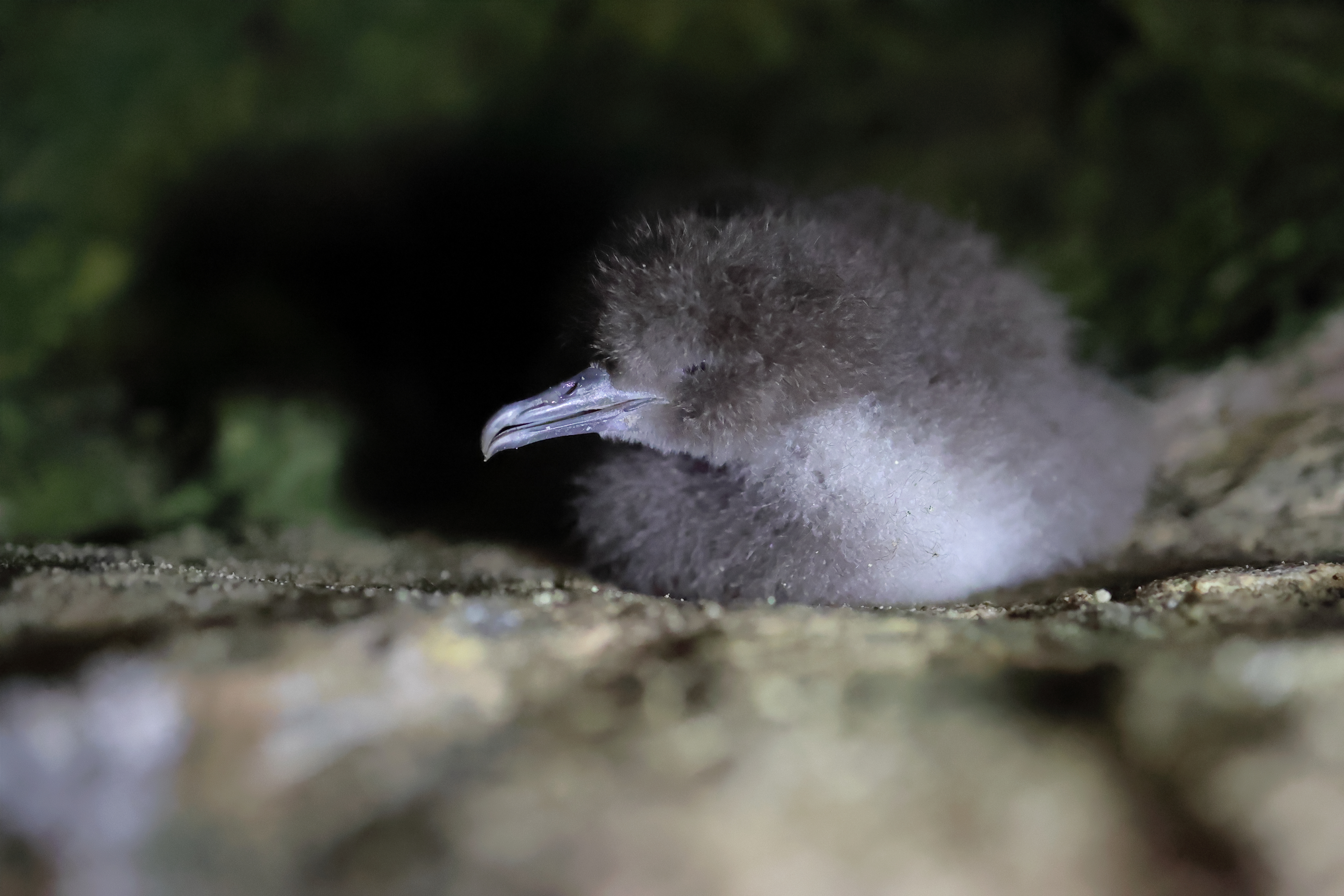
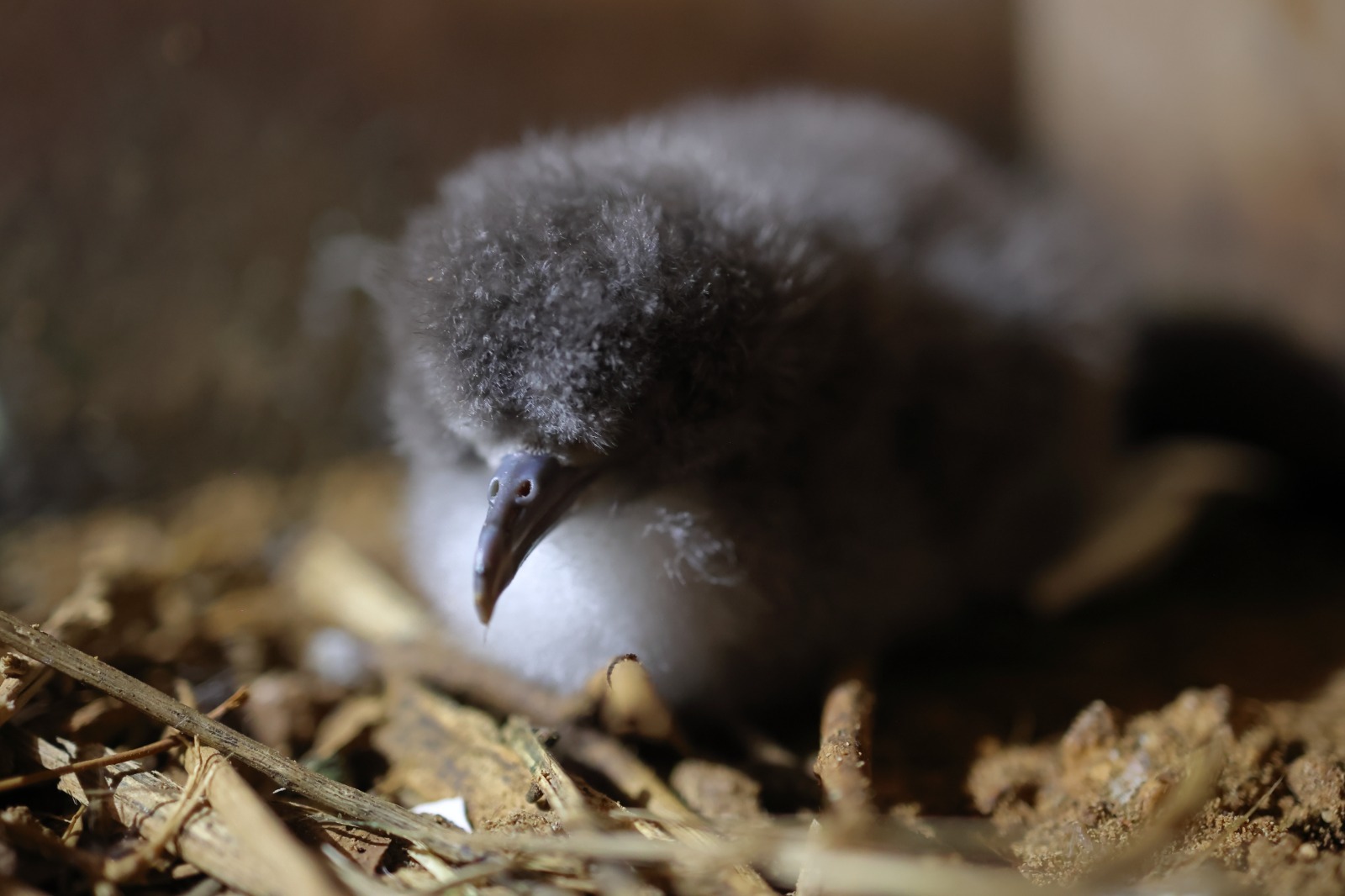
Yelkouan Shearwater
Scientific name: Puffinus yelkouan
Family procellariidae
Phenology
- Mainland
- Vagrant
- Madeira
- Vagrant
- Azores
- Vagrant
Conservation status
Learn more- Mainland
- Madeira
- Azores
- IUCN Global
Maps
Distribution | Breeding
Scale
Minimum value:
Maximum value:
Scale
Minimum value:
Maximum value:
Scale
Minimum value:
Maximum value:
Scale
Minimum value:>
Maximum value:<
Scale
Minimum value:
Maximum value:
Scale
Minimum value:>
Maximum value:>
Distribution based on seabird tracking data (locations/hexagone).
Colony(ies) of origin:
Device:
Data period / number of individuals:
Data period / number of individuals:
Distribution of seabird breeding colonies or sites (number of breeding pairs).
Distribution based on marine censuses (probability of occurrence).
Observed density based on marine censuses (birds/ km2).
Confirmed occurence during marines censuses.
Abundance of waders derived from Project Arenaria coastal surveys (birds/square).
Passage rates derived from RAM coastal surveys (birds/hour).
No data available for the selected period.
Presentation
Distribution, movements and phenology
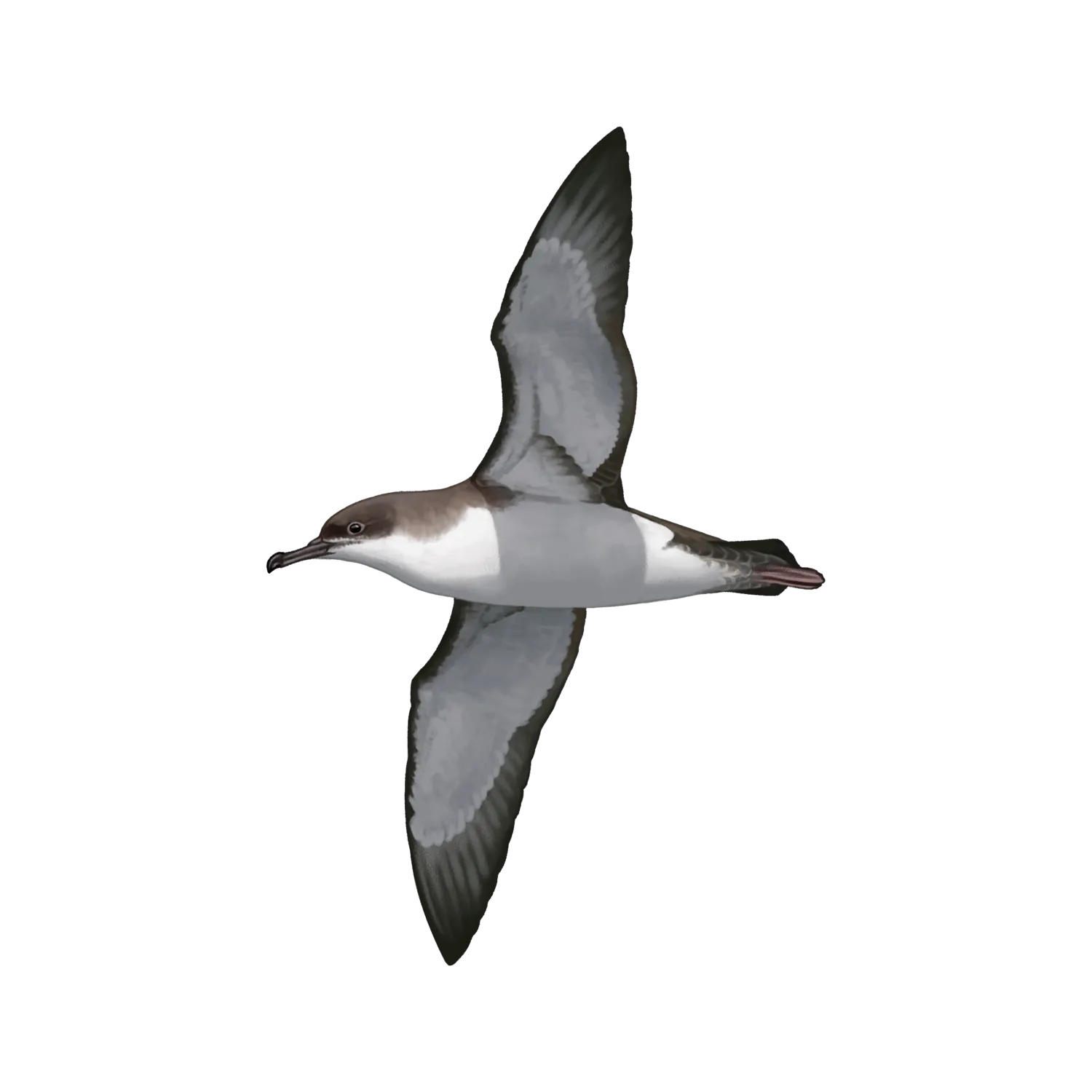
The Yelkouan Shearwater is a predominantly Mediterranean species, with breeding colonies concentrated on islands and coastal cliffs in the central and eastern Mediterranean, including the archipelagos of Malta, Corsica, Sardinia, Sicily, various islands in the Adriatic Sea and coastal areas of Greece and Turkey (Bourgeois & Vidal 2008; Borg et al. 2010). It arrives at the colonies from February onwards, beginning to lay eggs in March/April. The fledgings leave the nests in July (Raine et al. 2013). During the non-breeding season, the population exhibits varied movements. Some birds migrate to the Black Sea, whilst others remain near the breeding colonies or disperse across the Western and Central Mediterranean, with occasional sightings in the eastern Atlantic, including Portuguese waters (Militão et al. 2013; Péron et al. 2013; Raine et al. 2013). Individual tracking of birds visiting our waters remains very limited. Based on data from eight birds fitted with GLS tags in France in 2006, it was found that only two birds used the Portuguese EEZ. These visits were very sporadic and occurred in the Mainland and Azores regions during the breeding season.
Abundance and population trends
Recent estimates indicate a global population of between 15,000 and 30,000 pairs (BirdLife International 2025). Although population trends appear stable in certain colonies, some studies point to a moderate global decline over the last decade (Oppel et al. 2011; Sultana et al. 2011). In Portuguese waters, the species occurs only sporadically, with few records, mainly during post-breeding (May–June) and pre-breeding (September–October) migrations (eBird 2026). Recently, there has been an increase in records of the species along the Portuguese coast, possibly linked to greater observation efforts. However, the lack of systematic information regarding its abundance and population trends has prevented an assessment of the species’ environmental status within the Portuguese EEZ.
Ecology and habitat
The Yelkouan Shearwater is a pelagic bird, generally associated with the continental shelf. It breeds on islets and coastal cliffs, nesting in rock cavities or on the ground. Its diet consists mainly of small pelagic fish and cephalopods, with some seasonal and intercolony variation, and it may also feed on fishing discards (Bourgeois et al. 2011; Austad et al. 2025).
Threats and conservation
The main threats to this species are bycatch in fishing gear (particularly longlines and gillnets) and predation by introduced mammals in the colonies, especially cats and rats (Bonnaud et al. 2009; Bourgeois et al. 2016). Added to these threats are human disturbance and light pollution associated with tourism and the development of coastal urbanisation, as well as exposure to pollutants, including plastic and other organic contaminants (Bourgeois et al. 2011; Codina‑García et al. 2013). The species is protected by several international conventions and included in regional action plans. The eradication of introduced mammals and the reduction of bycatch are the main conservation priorities (BirdLife International 2025).
- Autor
Ana Almeida
- Owners/sources of tracking data
Sultana J, Borg JJ, Gauci C & Falzon V (2011). The Breeding Birds of Malta. BirdLife Malta, Malta. Bibliography:
Raine AF, Borg JJ, Raine H & Phillips RA (2013). Migration strategies of the Yelkouan Shearwater Puffinus yelkouan. Journal of Ornithology 154(2): 411-422. Bibliography:
Péron C, Grémillet D, Prudor A, Pettex E, Saraux C, Soriano-Redondo A & Fort J (2013). Importance of coastal Marine Protected Areas for the conservation of pelagic seabirds: The case of Vulnerable yelkouan shearwaters in the Mediterranean Sea. Biological conservation 168: 210-221. Bibliography:
Oppel S, Raine AF, Borg JJ, Raine H, Bonnaud E, Bourgeois K & Breton AR (2011). Is the Yelkouan shearwater Puffinus yelkouan threatened by low adult survival probabilities? Biological Conservation 144(9): 2255-2263. Bibliography:
Militao T, Bourgeois K, Roscales JL & González‐Solís J (2013). Individual migratory patterns of two threatened seabirds revealed using stable isotope and geolocation analyses. Diversity and Distributions 19: 317-329. Bibliography:
eBird (2026). eBird: An online database of bird distribution and abundance (web application). eBird, Cornell Lab of Ornithology, Ithaca, New York. Downloaded from http://www.ebird.org on 02.02.2026. Bibliography:
Codina-García M, Militão T, Moreno J & González-Solís J (2013). Plastic debris in Mediterranean seabirds. Marine pollution bulletin 77(1): 220-226. Bibliography:
Bourgeois K, Vorenger J, Faulquier L, Legrand J & Vidal E (2011). Diet and contamination of the yelkouan shearwater Puffinus yelkouan in the Hyères archipelago, Mediterranean basin, France. Journal of Ornithology 152(4): 947-953. Bibliography:
Bourgeois K & Vidal E (2008). The endemic Mediterranean yelkouan shearwater Puffinus yelkouan: distribution, threats and a plea for more data. Oryx 42(2): 187-194. Bibliography:
Bourgeois K, Dromzée S, Legrand J & Vidal E (2016). Seabird population recovery following rat eradication on a small Mediterranean island. Animal Conservation 19(6): 423–432. Bibliography:
Borg JJ, Raine H, Raine AF & Barbara N (2010). Protecting Malta's wind chaser: the EU LIFE Yelkouan Shearwater project report. BirdLife Malta, Malta. Bibliography:
Bonnaud E, Bourgeois K, Vidal E, Legrand J & Le Corre M (2009). How can the Yelkouan shearwater survive feral cat predation? A meta-population structure as a solution? Population Ecology 51: 261–270. Bibliography:
BirdLife International (2025). IUCN Red List for birds. Downloaded from https://datazone.birdlife.org on 30.11.2025. Bibliography:
Austad M, Michel L, Masello, JF, Cecere JG, de Pascalis F, Bustamante P, Dell’Omo G, Griep S & Quillfeldt P (2025). Diet of two mediterranean shearwaters revealed by DNA metabarcoding. Marine Biology 172: 104. Data:
Gonzalez-Solis J (2010e). Dataset 693: Yelkouan Shearwater, Puffinus yelkouan, Geolocator (GLS), Iles Hyeres, Iles Hyeres, France, 2006–2010. BirdLife International Seabird Tracking Database. Downloaded from https://data.seabirdtracking.org/dataset/693/ on 30.11.2025. Glossary:
A group of marine molluscs that includes squids, cuttlefish and octopuses. Glossary:
Alteration of natural night-time light levels due to artificial lighting. Glossary:
Complete removal of an invasive species from a specific area. Glossary:
Equipment used to catch marine animals, such as nets, longlines or traps. Glossary:
Monitoring the movements of individuals using tracking devices. Glossary:
The direction of change in the size of a population over time (increase, decline or stability). Glossary:
A concept defined under the Marine Strategy Framework Directive (MSFD), referring to the condition of the elements of the marine environment, including birds. It aims to assess whether ecosystems are healthy, balanced and capable of supporting ecological functions and human uses in a sustainable manner. The ultimate goal is for the components and ecosystems to achieve Good Environmental Status. Glossary:
Refers to the unintentional capture of marine species during fishing. Animals may become entangled in hooks or fishing nets. It is usually associated with commercial fishing, but can also occur in recreational fishing. Bycatch is one of the main threats to seabirds at sea. Glossary:
Under the United Nations Convention on the Law of the Sea, coastal states are entitled to declare an EEZ comprising maritime area beyond their territorial waters. The national EEZ is delimited by an imaginary line situated 200 nautical miles from the coast, separating national waters from international or shared waters. Within its EEZ, each state has rights such as the exploitation of marine resources, the conduct of scientific research and the regulation of fishing by foreign vessels. Glossary:
The portion of the catch taken by commercial fishing vessels that is returned to the sea, often dead or dying. Discarded fish often belong to species of no commercial value, individuals below the minimum legal landing size, or individuals whose landing is not permitted, for example due to quota restrictions. Discards may also consist of parts of the catch, namely offal and heads, which, after on-board processing, are rejected and discarded at sea. Discards have a strong impact on marine ecosystems and influence many aspects of the distribution, foraging behaviour and population dynamics of seabirds, particularly species and individuals that habitually follow vessels. Glossary:
A static net, often nearly invisible and with variable mesh size, used to catch a wide variety of fish. It is set in the sea at varying depths and later retrieved. It is a non-selective fishing gear that frequently catches seabirds, marine mammals and reptiles. Glossary:
Referring to the period preceding breeding. Glossary:
Referring to the period following breeding. Glossary:
The portion of the seabed that begins at the coastline and slopes gently downwards to the continental slope (where the slope is much steeper). On average, the continental shelf extends to a depth of 200 metres. Glossary:
The area or environment where organisms that do not depend on the seafloor normally live. It is the typical ecological environment of open ocean waters. The pelagic ecosystem does not include only the open sea; it also comprises the waters covering the continental shelf. The pelagic zone begins below the influence of tides and extends into the open ocean, at depths ranging from a few tens of metres to approximately 6,000 metres, and is divided into different layers. Glossary:
A fishing gear consisting of a main line (mother line) from which secondary lines with hooks attached branch off. It is left in the sea and can be placed on the seabed to catch deep-sea species (e.g. scabbardfish) or at the surface to catch large pelagic fish (e.g. swordfish). Glossary:
A small device attached to birds to study their large-scale movements (usually migration), which works by recording light intensity (from which the duration of night and the local midday time are estimated, and consequently the latitude and longitude on each day). Glossary:
A term generally applied to a species introduced deliberately or accidentally into a specific location or region outside its original range. Depending on its adaptation to the new environment, an introduced species may or may not become naturalised and proliferate.